
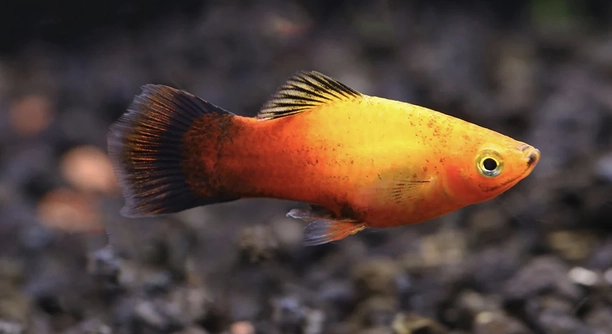
Do you keep platies in your aquarium and wonder if they react when you change the layout of their tank? Many fish owners rearrange plants and decorations to refresh the environment. These changes might affect the fish’s behavior and comfort.
Platies do notice when their tank is rearranged, as they rely on familiar landmarks for navigation and security. Sudden changes can cause temporary stress or curiosity, but they usually adapt quickly once they recognize the new setup.
Understanding how platies respond to tank changes helps improve their well-being. This article will explore their behavior and offer tips for rearranging without causing undue stress.
How Platies React to Changes in Their Environment
When you rearrange the tank, platies often show signs of noticing the difference. They may swim cautiously around the new layout or explore unfamiliar spots. Since platies use their surroundings to feel safe, sudden changes can make them hesitate or hide briefly. However, their natural curiosity usually encourages them to investigate new hiding places and decorations. Over time, they become comfortable with the altered setup. It’s important to avoid making drastic changes all at once, as this can increase their stress. Gradual rearrangements help them adjust smoothly and maintain normal behavior. Watching their reactions can give clues about their comfort level. If they seem overly stressed, it’s good to slow down on changes and let them settle before adding more.
Platies respond best when changes are gentle and spaced out, allowing them time to adapt naturally.
Keeping tank changes minimal and paced ensures platies remain calm and healthy during rearrangements, promoting a stable living space for them to thrive.
Tips for Rearranging Your Platy Tank
Rearranging your tank can refresh the space without disturbing your platies too much. Always move decorations slowly and avoid removing too many hiding spots at once. Gradual adjustments help reduce stress and let your fish get used to new layouts comfortably.
When planning to rearrange, observe how your platies react after each change. Some may be more sensitive and require extra care. Try to keep familiar plants and structures in place, so they have recognizable landmarks. Adding new elements should be done one at a time, giving fish time to explore and feel secure. Maintaining consistent water conditions and lighting during rearrangement also helps reduce stress. It’s beneficial to monitor behavior after changes to ensure they return to normal activity quickly. Keeping a routine with feeding and tank maintenance supports their comfort. These simple steps make the tank refreshing for you and comfortable for your platies, keeping them healthy and happy.
Signs Your Platies Notice Tank Rearrangements
Platies may display different behaviors when their tank is rearranged. Look for changes like hiding more often, swimming erratically, or spending time exploring new areas.
These behaviors show they are aware of the changes in their environment. Some platies might seem cautious or stressed at first, while others quickly adapt. It’s normal for them to be curious and check out new spots, but excessive hiding or loss of appetite can signal discomfort. Watching these signs helps you understand how your fish feel about the new setup.
If platies show signs of stress for more than a day or two, it’s a good idea to slow down future rearrangements and provide familiar elements to help them feel secure. This care supports their well-being as they adjust.
How to Minimize Stress During Tank Changes
Making tank changes gradually helps platies feel safer. Move only a few decorations at a time, giving fish time to explore and adjust before making more changes. Keeping familiar plants and hiding spots reduces stress.
Water quality must remain stable during rearrangement, as fluctuations add to the fish’s stress. Avoid sudden shifts in temperature or lighting, which can make them uneasy. Feeding routines should stay consistent to maintain a sense of normalcy. Monitoring your platies closely after each change lets you spot stress early. If needed, pause rearranging and let your fish settle before continuing. These small actions create a calm environment, even with new tank layouts.
How Platies Use Their Tank for Comfort
Platies rely on their tank’s layout to feel safe. Familiar plants and decorations serve as landmarks that help them navigate and hide from perceived threats.
When these landmarks change, platies may become unsettled until they learn the new arrangement. Maintaining consistent features supports their sense of security.
Common Stress Behaviors After Rearranging
Platies might hide more often or swim near the surface when stressed. Loss of appetite and sluggishness are other common signs. These behaviors usually improve as they adapt.
When to Avoid Rearranging the Tank
Avoid making changes during breeding or when platies appear sick. Stress can worsen their health or disrupt spawning. Waiting until they are calm is best.
Using Plants to Ease Transitions
Live plants provide shelter and help platies adjust to new layouts. Keeping some plants in place during rearrangement offers familiarity and comfort.
FAQ
Do platies get stressed when the tank is rearranged?
Yes, platies can experience mild stress when their tank is rearranged. They are used to familiar surroundings, so changes can cause them to feel uncertain or insecure for a short time. However, this stress is usually temporary and lessens as they adjust.
How long does it take for platies to adjust to a new tank layout?
Platies typically adapt within a few days to a week. Their natural curiosity encourages them to explore new spaces quickly, but full comfort may take a bit longer. Providing familiar plants and hiding spots helps speed up their adjustment.
Can rearranging the tank harm my platies?
If done carefully, rearranging the tank will not harm platies. Sudden and drastic changes can increase stress, which may weaken their immune system. Gradual adjustments and maintaining stable water conditions help avoid harm.
Should I rearrange the tank frequently or rarely?
It’s best to rearrange your platies’ tank only when necessary. Frequent changes can cause ongoing stress, while rare, gentle adjustments keep the environment stimulating without overwhelming them.
How can I tell if my platies are stressed after rearranging?
Look for hiding more than usual, decreased appetite, sluggish swimming, or unusual aggression. These signs indicate stress and a need for the tank to remain stable for a while.
Is it better to move plants or decorations first when rearranging?
Moving decorations first is often easier since plants are part of the natural habitat. Keeping some plants in place provides familiar landmarks and comfort, which helps platies adjust better.
Can platies remember the original tank layout?
Platies have a good memory for their environment and recognize landmarks in the tank. They use these cues to feel secure, so changing the layout too often can confuse them.
What should I do if platies seem stressed after rearranging?
Give them time to settle without making more changes. Keep feeding and lighting routines consistent, and avoid sudden water parameter shifts. Adding extra hiding spots can also help them feel safe.
Do platies prefer a cluttered or open tank?
Platies enjoy a balanced environment with plants and hiding spots but also some open swimming areas. A cluttered tank can cause stress, while a completely open tank may make them feel vulnerable.
Will rearranging affect platy breeding behavior?
Yes, significant tank changes during breeding can disrupt courtship and spawning. It’s better to avoid rearranging when platies are breeding or showing signs of spawning behavior.
How important is water quality during rearranging?
Water quality is very important. Sudden changes in temperature, pH, or cleanliness can add stress. Maintain stable water parameters to support platies’ health during tank changes.
Can platies get used to frequent changes in their tank?
They may tolerate occasional changes but frequent rearrangements are likely to cause chronic stress. Keeping a mostly stable environment is better for their well-being.
Should I rearrange the tank if my platies hide too much?
If hiding is excessive, it may be better to leave the tank layout alone until they feel more secure. Sometimes hiding is a sign of illness or poor water quality rather than just stress from changes.
How can I make tank rearranging less stressful for platies?
Make changes slowly, move only a few items at a time, and keep familiar plants and decorations in place. Maintain water quality and consistent routines. Offering extra hiding spots helps reduce stress during transitions.
Do platies notice if I change the tank lighting or water flow?
Yes, changes in lighting and water flow can be noticed by platies and may cause discomfort or stress. Gradual adjustments are preferable to avoid upsetting their routine.
Can rearranging improve platy behavior?
Occasionally, rearranging can stimulate platies and reduce boredom. Done carefully, it refreshes their environment and encourages natural exploration and activity.
Is it okay to add new decorations during rearranging?
Adding new decorations is fine as long as it’s done gradually and the new items are safe for fish. Introduce one item at a time to let platies get used to the change.
How often should I clean the tank when rearranging?
Cleaning should be done regularly but not excessively during rearrangement. Avoid disturbing the tank too much at once to keep stress levels low.
Can rearranging affect tank mates besides platies?
Yes, other fish may also notice changes and react with stress or curiosity. Be mindful of all tank inhabitants when rearranging to maintain harmony.
What if my platies don’t seem to notice the tank changes?
Some platies may be less sensitive and adapt quickly without visible signs. This is normal and indicates they are comfortable with their environment.
Rearranging a platy tank is something many fish owners consider to keep the aquarium fresh and interesting. It’s clear that platies do notice when their environment changes, as they rely on familiar landmarks to feel safe. While they may show signs of stress or curiosity after rearrangements, most platies adapt quickly once they become familiar with the new layout. Making gradual changes and keeping consistent water conditions help ease their adjustment. Understanding how platies respond to tank changes allows you to create a more comfortable space that supports their health and natural behavior.
Taking care during tank rearrangement means paying attention to your platies’ behavior. If they start hiding more or seem less active, it’s a signal to slow down and let them get used to the changes. Avoiding sudden, large-scale alterations can reduce stress and prevent health issues. Keeping plants and decorations that platies recognize is important because these elements serve as navigation points and hiding spots. Consistency in feeding and lighting also supports their well-being during transitions. Overall, small, thoughtful adjustments are better than frequent drastic shifts.
Ultimately, a platy tank that balances new elements with familiar features encourages exploration without overwhelming the fish. By observing your platies and adjusting at a comfortable pace, you help them stay calm and healthy. Rearranging the tank can be a positive experience for both you and your fish if done with care. Keeping their comfort in mind ensures they continue to thrive in a safe, engaging environment. This approach creates a better aquarium experience and promotes long-term happiness for your platies.

Hello,
If you enjoy the content that we create, please consider saying a "Thank You!" by leaving a tip.
Every little bit helps us continue crafting quality advice that supports the health, happiness, and well-being of pets around the world, for pets of all shapes, sizes, and species.
We really appreciate the kindness and support that you show us!