
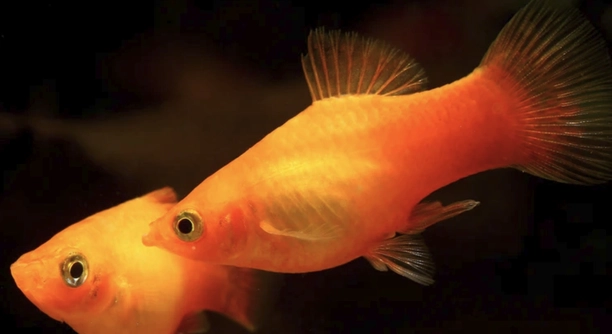
Do platies, the small and colorful freshwater fish, respond to their own reflection in a tank? Many fish owners notice their platies interacting with mirrors or shiny surfaces. This article explores whether platies recognize themselves or simply react to what they see.
Platies do not have self-recognition abilities like some mammals or birds. Instead, they perceive their reflection as another fish, often responding with curiosity or territorial behavior. This reaction is typical in many small fish species without complex self-awareness.
Understanding how platies interact with reflections can improve how you manage their environment and behavior. This knowledge helps create a better habitat for your aquatic pets and deepens appreciation of their natural instincts.
How Platies React to Their Reflection
Platies often respond to their reflection by displaying behaviors such as swimming towards the mirror, flaring their fins, or trying to interact with the “other fish” they see. These reactions are mostly driven by instinct, as platies are territorial and may perceive the reflection as a rival. They might also show signs of curiosity, swimming back and forth or investigating the reflective surface. However, this behavior is not a sign of self-awareness. Instead, it is a natural response to stimuli in their environment. For aquarium owners, this means that mirrors or reflective surfaces can sometimes cause stress or excitement in platies, depending on the individual fish. Knowing this helps in creating a calm and comfortable tank setting. Avoiding constant reflections may reduce unnecessary agitation and promote healthier behavior.
Platies treat their reflection as a separate fish rather than recognizing themselves. Their reaction is instinctual, not conscious.
Providing an environment that limits confusing reflections helps keep platies relaxed. It also encourages natural social behavior among tank mates. When reflections are present, observe how your platies respond to ensure their well-being and adjust the setup accordingly.
The Science Behind Fish Self-Recognition
Research on fish self-recognition shows that most species, including platies, do not recognize themselves in mirrors. Studies typically use the “mirror test,” where an animal is marked in a way only visible via reflection. Animals that recognize the mark demonstrate self-awareness. Platies and many other fish fail this test, indicating a lack of this ability. Their responses to reflections are more about reaction than recognition. Fish rely heavily on sensory cues like smell and lateral line sensing to identify others, not visual self-awareness. This biological limitation means that reflections trigger social or defensive behaviors rather than any form of self-recognition. Understanding this helps explain why platies may act aggressively or curiously but not with the awareness that they are seeing themselves.
Although platies react to reflections, they do not possess the cognitive ability for self-recognition.
Awareness of this distinction can guide how you manage reflective surfaces in your tank. Keeping the environment clear of unnecessary mirrors can reduce stress and support healthier fish interactions. This approach benefits the overall harmony of your aquarium.
Reflection and Platy Behavior
Platies often respond to their reflections by acting as if another fish is present. This can lead to increased activity or territorial displays. The behavior varies between individual fish.
This reaction occurs because platies see the reflection as a potential competitor. They may chase or flare fins to assert dominance. Sometimes, this interaction provides mental stimulation, preventing boredom in a tank. However, prolonged exposure can cause stress or aggression, especially in smaller tanks where space is limited. It’s important to monitor these reactions to ensure your platies remain healthy and calm. Adjusting the tank environment can help manage these responses effectively.
Reflective surfaces can also spark curiosity. Some platies explore the mirror without aggression, showing playful swimming patterns. This diversity in behavior reflects differences in temperament. Recognizing how your specific fish react allows you to create a more balanced habitat, improving their overall well-being and enjoyment of their space.
Managing Reflections in a Platy Tank
Minimizing mirrors or shiny surfaces in the tank reduces unnecessary stress for platies. This simple change can improve their comfort.
Too many reflections cause continuous territorial behavior, which tires out your fish. Covering tank sides or repositioning light sources can limit reflections. Regular tank maintenance to remove algae buildup on glass also helps reduce glare. Providing plenty of hiding spots and plants offers distractions, reducing fixation on reflections. These steps encourage natural social interactions among platies rather than reactions to their own image.
By controlling reflections, you support calmer behavior and a healthier environment. The focus remains on interactions with real tank mates, which strengthens social bonds. Proper tank setup contributes significantly to your platies’ quality of life and happiness.
Can Platies Learn to Recognize Their Reflection?
Platies do not learn to recognize their reflection over time. Their behavior toward mirrors remains consistent, as they respond instinctively rather than thoughtfully.
Even with repeated exposure, platies treat reflections as other fish. There is no evidence they develop self-awareness or familiarity with their own image.
Why Some Fish Recognize Themselves but Platies Do Not
Self-recognition requires complex brain functions found in only a few species. Fish like platies lack the neurological capacity for this kind of awareness. Unlike mammals or certain birds, platies rely more on sensory inputs other than vision to identify themselves and others. This limits their ability to understand reflections as their own image, causing instinctual reactions instead.
Signs of Stress from Reflections in Platies
When platies experience stress from seeing their reflection, they may become overly aggressive or hide frequently. These behaviors indicate discomfort and should prompt adjustments to their tank environment.
Do platies get stressed by their own reflection?
Yes, platies can become stressed if they constantly see their reflection. They may mistake it for a rival fish invading their territory, which can cause them to act aggressively or become anxious. Prolonged exposure to reflections may tire them out or disrupt their normal behavior.
How can I tell if my platy is stressed by its reflection?
Signs of stress include excessive chasing or flaring fins at the reflection, hiding more than usual, loss of appetite, or unusual lethargy. If your platy shows these behaviors around mirrors or shiny surfaces, it likely feels threatened or unsettled by its reflection.
Should I use a mirror to entertain my platies?
Using mirrors for short periods can provide mental stimulation, as platies may explore or react curiously. However, leaving mirrors in the tank continuously is not recommended, as it may cause stress or aggression. It’s better to provide natural enrichment like plants and hiding spots.
Can platies learn to recognize themselves in a mirror?
No, platies do not develop self-recognition. Their reactions to reflections remain instinctual throughout their lives. They do not understand the reflection is themselves, but rather treat it as another fish.
Are all platies equally reactive to reflections?
No, individual platies vary. Some may ignore their reflection or show mild curiosity, while others may display aggressive or fearful behavior. Personality differences and tank conditions influence these responses.
How can I reduce stress caused by reflections in my tank?
Reduce reflections by covering tank walls with background paper or avoiding placing the tank near bright windows or shiny objects. Use live or artificial plants and decorations to break up reflective surfaces. Proper lighting and tank maintenance also help minimize glare.
Is it harmful if my platy chases its reflection often?
Frequent chasing can exhaust your platy and increase stress, which weakens its immune system. It’s best to limit exposure to reflective surfaces to keep your fish calm and healthy.
Can reflections cause problems with other fish in the tank?
Yes, reflections can trigger territorial disputes or aggression not just in platies but also in other fish species. This can disturb the overall harmony in a community tank, so managing reflections benefits all inhabitants.
What are natural behaviors I should expect from platies without reflections?
Platies are social and peaceful fish. They enjoy swimming in groups, exploring plants, and occasionally foraging near the tank bottom. Without reflections causing agitation, they show more relaxed and natural social interactions.
Is it okay to use mirrors occasionally for observation or photography?
Short exposure to mirrors for observation or photos is fine as long as the platies are not left stressed for long periods. Monitor their behavior closely and remove the mirror if signs of stress appear.
These answers aim to help you understand your platies’ reactions to reflections better. Managing the tank environment with their natural behavior in mind supports their health and happiness over time.
Platies are small, lively fish that bring color and movement to any aquarium. Understanding how they interact with their environment helps in providing the best care. When it comes to reflections, platies do not recognize themselves but respond as if they see another fish. This reaction is natural and driven by instinct, not self-awareness. Knowing this can prevent unnecessary concern if your platies chase or flare at their reflection. It is simply part of their behavior shaped by their biology.
Managing reflections in the tank is important to keep platies comfortable and healthy. Excessive exposure to their own image can cause stress, which affects their well-being over time. Simple steps like limiting reflective surfaces, adjusting lighting, and adding plants or decorations can reduce this stress. By creating a stable and calm environment, you encourage platies to display more natural behaviors such as socializing and exploring. This leads to a more balanced tank where fish thrive.
Taking care of platies involves observing their behavior and making changes when needed. If they seem anxious or aggressive because of reflections, small adjustments can make a big difference. It is also useful to remember that every platy is unique; some may be more curious while others may be more territorial. Patience and attention help in understanding their needs better. Overall, minimizing stress from reflections contributes to happier fish and a more enjoyable aquarium experience.

Hello,
If you enjoy the content that we create, please consider saying a "Thank You!" by leaving a tip.
Every little bit helps us continue crafting quality advice that supports the health, happiness, and well-being of pets around the world, for pets of all shapes, sizes, and species.
We really appreciate the kindness and support that you show us!