
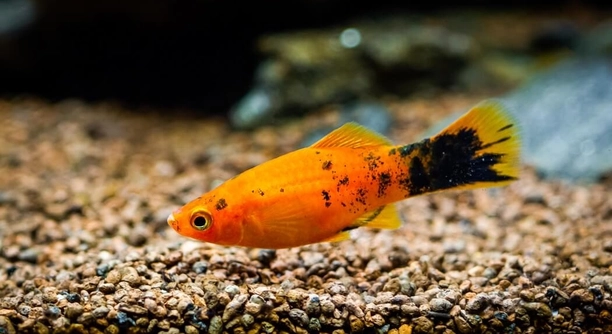
Do you have platies in your aquarium and want to make sure they breed safely and successfully? Many fishkeepers wonder about the best way to care for platies during breeding. Understanding their needs can help create a peaceful environment for both adults and fry.
Platies do not strictly require tank dividers while breeding, but using dividers can prevent aggression and protect fry from being eaten. Dividers help maintain separate spaces, reducing stress and increasing survival rates during the breeding process.
Knowing when and how to use tank dividers can improve the health of your platy community and support successful breeding outcomes.
Why Some Keepers Use Tank Dividers for Platy Breeding
Many aquarists choose to use tank dividers during platy breeding to manage space and reduce conflicts. Platies are generally peaceful, but males can become territorial or overly persistent during mating. A divider gives each fish its own space, which lowers stress and aggression. This is especially helpful in community tanks where other fish might bother the fry. The divider can also protect newborns from being eaten, as adult platies sometimes eat their young. While not always necessary, dividers offer a way to monitor breeding behavior and keep the tank more organized. They help ensure that the fry have a safe place to grow without constant threats. Dividers come in different sizes and materials, so you can choose one that fits your tank well. If you prefer a natural look, plants or decorations can sometimes act as natural barriers instead.
Using dividers during breeding increases the chances of fry survival and reduces adult aggression in mixed tanks.
Many keepers find that the peace dividers bring to the tank helps both the adults and babies thrive. It makes it easier to care for the fry and keep track of them. Without a divider, fry can hide well but risk being harmed. Dividers also simplify separating adults after breeding, which is helpful if some fish show signs of stress or injury. They allow controlled breeding, helping to prevent overpopulation in the main tank. The choice to use dividers depends on tank size, community setup, and how hands-on you want to be with your platies. Some aquarists prefer letting nature take its course, while others like the security dividers provide. In any case, knowing how dividers affect behavior can help you make a better decision for your aquarium.
Alternative Ways to Protect Platy Fry
Tank dividers are helpful but not the only option to keep fry safe. Many aquarists use dense plants or breeding boxes to create hiding spots. Plants like Java moss provide shelter, giving babies a place to avoid adults. Breeding boxes allow fry to stay in the main tank but separate from larger fish. These methods work well if you prefer a more natural tank look. They also encourage natural behavior while still offering protection. Each method has its own advantages depending on your tank setup and how involved you want to be in managing the breeding process.
When to Introduce Tank Dividers
Introducing dividers early in the breeding process helps reduce stress for both adults and fry. It’s best to add them once mating starts but before fry appear. This timing keeps adults from harming the babies.
Adding a divider right after noticing signs of pregnancy in female platies can protect the fry from being eaten. It also prevents males from constantly chasing the females, which can cause injury. Dividers create a safer space where fry can swim freely and hide. If you wait too long, adults may have already eaten some fry, reducing survival rates. Early separation makes it easier to care for newborns and monitor their health.
Waiting too long to add dividers can result in lower fry survival. But adding dividers too early may stress fish if they feel trapped. Timing depends on how closely you watch their behavior and breeding signs.
Best Types of Tank Dividers for Platies
Plastic or acrylic dividers with holes for water flow work well because they keep water conditions stable on both sides. Mesh dividers also allow good circulation but may let smaller fry escape. A divider with a smooth edge prevents injury to fish swimming near it. Transparent dividers let you observe the fish without disturbance. Avoid rough or sharp materials that could harm delicate fry. Some keepers use homemade dividers from netting or mesh, which can be customized for tank size. It’s important that the divider fits snugly to prevent fish from squeezing through gaps. Good water flow between compartments keeps oxygen and nutrients balanced for all fish involved. Choosing the right divider depends on your tank setup and how much access you want to the fish during breeding.
Signs You Need to Use a Tank Divider
If you notice frequent chasing or nipping between platies, it’s a clear sign a divider could help. Stress behaviors increase when space is limited. Using a divider can calm the environment.
Fry disappearing quickly or showing signs of injury also means adults might be a threat. Separating them improves fry survival and reduces harm to adults during breeding.
How to Care for Fry in a Divided Tank
Once the fry are separated with a divider, feeding small amounts of finely crushed flakes or baby fish food several times a day is important. Clean water and gentle filtration help keep fry healthy. Monitoring water parameters closely ensures proper growth. Avoid overcrowding in the fry section to reduce stress and improve oxygen levels. Regular partial water changes keep the environment stable. Providing hiding spots like small plants or moss encourages natural behavior and safety for the fry. Maintaining consistent care during these early weeks supports stronger, healthier platies as they grow.
Common Mistakes to Avoid with Dividers
Avoid using dividers that block water flow completely. Poor circulation can harm both adults and fry. Also, don’t forget to remove the divider once fry grow large enough to safely join the main tank.
FAQ
Do platies need tank dividers to breed successfully?
Platies can breed without tank dividers, especially in peaceful, well-planted tanks. However, dividers help protect fry from adults, who may eat their young. Dividers also reduce aggression between males and lessen stress for females. Using a divider is not required but increases fry survival and creates a more controlled breeding environment.
How long should tank dividers stay in the breeding tank?
Dividers should remain until the fry are large enough to avoid being eaten, usually 3 to 4 weeks. At this stage, fry are bigger and swim more confidently. Removing the divider too early risks predation, while keeping it too long might stress the adult fish or reduce space. Monitor fry size and behavior to decide the right time.
What types of tank dividers work best for platies?
Plastic or acrylic dividers with holes provide good water flow and safety. Mesh dividers also work but risk fry escaping if the mesh is too wide. Transparent materials allow observation without disturbing the fish. Avoid rough or sharp edges that could injure fish. Dividers must fit snugly to prevent fish from squeezing through gaps.
Can I use plants instead of dividers to protect fry?
Dense plants like Java moss can provide hiding spots for fry and reduce direct contact with adults. While this helps, it does not fully prevent predation or aggression. Plants alone work best in larger tanks with fewer adults. For better protection and control, dividers or breeding boxes are more reliable options.
Will tank dividers stress my platies?
Some fish may feel confined at first, but most adjust quickly to dividers. Stress is usually lower than in tanks where aggression occurs unchecked. To reduce stress, introduce dividers calmly and avoid sudden movements. Ensure proper water flow and keep the environment clean to support fish health.
How do I feed fry in a divided tank?
Feed fry several small meals daily using finely crushed flakes or specialized fry food. Small amounts prevent water pollution. Providing live or frozen baby brine shrimp can boost growth. Make sure food reaches the fry side of the divider. Removing uneaten food regularly helps maintain water quality.
Can adult platies harm each other without dividers?
Adult platies are generally peaceful but males may chase females and other males during breeding. This chasing can cause stress and injury. Dividers limit contact and aggression, creating safer conditions. In small or crowded tanks, dividers are more important to avoid conflicts.
Are tank dividers suitable for community tanks?
Yes, dividers help protect platy fry from other species that might see them as food. They also separate breeding pairs, reducing stress in busy community tanks. Choose dividers that allow water flow but keep fish separated safely. This helps maintain harmony and improves fry survival.
What maintenance do tank dividers require?
Dividers need regular cleaning to prevent algae buildup and maintain water flow. Remove and rinse them gently with tank water during water changes. Avoid harsh chemicals that can harm fish. Check dividers regularly for damage or gaps to ensure they remain safe and effective.
Is it necessary to separate male and female platies with dividers after breeding?
Separating males from females can reduce stress and prevent constant chasing. This is especially helpful if females appear tired or injured. Dividers provide an easy way to keep them apart without moving fish to a different tank. Separation can improve overall health and breeding success.
When breeding platies, using tank dividers is a helpful tool but not always necessary. Platies are generally peaceful fish, and in many cases, they can breed successfully without any separation. However, dividers do provide important benefits by reducing stress and protecting the delicate fry from being eaten by adult fish. Whether you choose to use a divider depends on your tank setup, the number of fish, and how involved you want to be in the breeding process. Keeping these factors in mind will help you create a safe and comfortable environment for your platies to reproduce.
Tank dividers work by giving fish their own space, which can limit aggressive behaviors during breeding. Males may chase females or fight with other males, and this can cause injury or stress. Dividers help reduce these conflicts and improve the chances of healthy fry surviving. They also allow easier monitoring of the fry’s growth and make feeding simpler. Many aquarists find that using a divider creates a more peaceful tank and increases the success rate of breeding. At the same time, some prefer natural solutions like dense plants to offer hiding spots, which can work well in less crowded tanks.
It’s important to remember that no matter what method you choose, proper care and attention are key to successful platy breeding. Clean water, a balanced diet, and good tank maintenance support the health of both adults and fry. Watching for signs of stress or aggression will help you decide when to add or remove dividers. With patience and care, your platies can thrive and produce healthy offspring. Whether you use tank dividers or not, understanding your fish’s behavior and needs will make breeding a rewarding experience.

Hello,
If you enjoy the content that we create, please consider saying a "Thank You!" by leaving a tip.
Every little bit helps us continue crafting quality advice that supports the health, happiness, and well-being of pets around the world, for pets of all shapes, sizes, and species.
We really appreciate the kindness and support that you show us!