
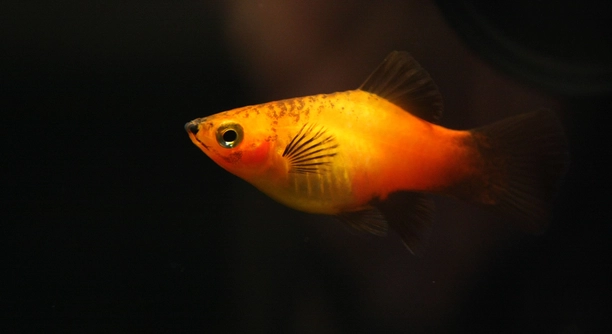
Do you have a platy fish tank and want to ensure your fish stay healthy and comfortable? Understanding the right environment for platies is important for their wellbeing. This includes knowing whether a heater is necessary for their tank.
Platies are tropical fish that generally thrive in temperatures between 72°F and 78°F. While they can tolerate room temperature in warmer climates, using a heater helps maintain a stable and suitable environment, preventing temperature fluctuations that could stress the fish.
Knowing when and how to use a heater can improve your platies’ health and tank conditions. The following information will guide you through creating the best habitat for your fish.
Ideal Temperature Range for Platies
Platies prefer water temperatures between 72°F and 78°F. This range mimics their natural tropical habitat, keeping them active and healthy. When the water gets too cold, their metabolism slows down, which can lead to illness or stress. Sudden temperature changes can also cause shock, making a heater useful for consistency. If your home stays warm enough throughout the year, a heater might not be necessary. However, in cooler months or climates, the temperature can drop below their comfort zone. Using a reliable aquarium heater ensures the water stays within the ideal range. It also reduces the risk of harmful fluctuations that could weaken your fish’s immune system. Keeping the tank stable means your platies will swim actively and show better coloration, which is a good sign of their overall health.
Maintaining this temperature range helps your platies live longer and remain vibrant.
A steady temperature supports their immune system and prevents stress-related diseases, leading to a healthier tank environment.
Choosing the Right Heater for Your Tank
Selecting the correct heater depends on your tank size and setup. Heaters come in various wattages, designed for different volumes of water. A general rule is 3 to 5 watts per gallon of water. For a 10-gallon tank, a 30 to 50-watt heater is usually sufficient. Always choose a heater with an adjustable thermostat to control the temperature precisely. It’s best to pick a model with a built-in safety feature that prevents overheating or shutting off during faults. Placement matters too—position the heater near a water flow source like a filter outlet to help distribute heat evenly. Avoid placing it directly under decorations or plants, as this can create hot spots. Regularly monitor the water temperature with a separate aquarium thermometer to ensure the heater works correctly. This simple step can save you from problems caused by malfunctioning equipment.
Heater Maintenance and Safety
Regular maintenance keeps your heater functioning well and your tank safe. Always unplug the heater before cleaning to avoid electric shock. Wipe off algae or mineral buildup to prevent overheating. Inspect the heater for cracks or damage monthly to ensure it’s safe to use.
Proper maintenance extends the life of the heater and protects your fish. A malfunctioning heater can cause temperature swings or even electrical hazards. Check the heater’s settings frequently and adjust as needed to keep the water stable. If you notice unusual behavior in your platies, such as sluggish swimming or hiding, check the temperature and heater condition immediately.
Using a heater guard can protect your fish from burns, especially if you have active or curious platies. These guards also protect the heater from accidental damage by tank decorations or cleaning tools. Always place the heater in a spot where it won’t be disturbed often to reduce risks.
Alternatives to Using a Heater
If you decide against using a heater, controlling the room temperature is essential. Keep the tank in a warm, draft-free area away from windows or air conditioners. Use tank covers to retain heat during cooler nights.
Room heaters or heat lamps can provide extra warmth without direct contact with water. Make sure these options maintain a stable temperature to prevent stress. Avoid placing the tank where temperatures fluctuate widely, as platies do not handle cold drafts well. Monitoring the tank temperature regularly will help you react to any changes quickly.
If your home’s temperature drops frequently, consider investing in a heater. While some platies tolerate cooler water, consistent warmth encourages better health and longevity. Using natural heat sources may work temporarily, but an aquarium heater provides more reliable results.
Signs Your Platies Need a Heater
Platies that appear lethargic or stop eating may be too cold. If they hide more than usual or show faded colors, the water temperature might be too low. These signs suggest it’s time to consider heating their tank.
Consistent temperature drops can weaken platies’ immune systems. If you notice any of these changes, test the water temperature immediately. Maintaining warmth helps prevent illness and keeps your fish active and vibrant.
How to Monitor Tank Temperature
Use a reliable aquarium thermometer to track temperature daily. Digital or stick-on thermometers work well for quick readings. Place it where you can easily see it without disturbing the tank.
Keeping a close eye on temperature helps avoid sudden changes that stress platies. Adjust your heater settings based on these readings for a stable environment.
When to Turn Off the Heater
If your home stays consistently above 75°F, you may not need the heater on all the time. Turning it off during warmer months can prevent overheating.
Watch the tank closely during heater-off periods to ensure the temperature stays in the ideal range. Use a thermometer to confirm the environment remains safe for your platies.
FAQ
Do platies need a heater all year round?
Platies do best in stable, warm water between 72°F and 78°F. If your home stays consistently warm within this range, a heater may not be necessary year-round. However, in cooler months or climates where temperatures drop below 70°F, using a heater helps maintain their health and comfort. Sudden cold spells can stress your fish, so monitoring the temperature and using a heater when needed is important.
Can platies survive without a heater?
Platies can survive without a heater if the tank water stays within their preferred temperature range naturally. This is more common in warmer climates or heated indoor environments. However, without a heater, the tank temperature can fluctuate with room conditions, which may stress the fish. A heater provides a consistent temperature that supports their immune system and activity levels.
What happens if the water is too cold for platies?
Cold water slows down platies’ metabolism, making them less active and more prone to illness. It can weaken their immune system and make it harder for them to fight off infections. Prolonged exposure to low temperatures can lead to stress, reduced appetite, and sometimes death. Keeping the water warm and stable is essential to avoid these issues.
Is it harmful if the water gets too warm?
Yes, water that is too warm can reduce oxygen levels, causing platies to become stressed or suffocate. Temperatures above 80°F are risky and can also encourage harmful bacteria or algae growth. It’s important to keep the temperature steady within their ideal range to prevent overheating and health problems.
How do I choose the right heater size?
The heater size depends on your tank volume. A good rule of thumb is 3 to 5 watts per gallon of water. For example, a 10-gallon tank needs a heater rated between 30 and 50 watts. Using a heater that’s too small won’t keep the water warm enough, while a heater that’s too large may cause rapid temperature changes. Adjustable thermostats help keep the heat consistent.
Where should I place the heater in the tank?
Place the heater near a water flow source, such as the filter outlet, to help spread warmth evenly. Avoid hiding the heater behind decorations or plants, as this can create hot spots and uneven heating. Secure the heater vertically or horizontally along the tank wall as recommended by the manufacturer.
How do I know if the heater is working properly?
Use a separate aquarium thermometer to check the water temperature regularly. If the water temperature stays stable within the set range, the heater is working correctly. Sudden drops or spikes mean the heater might be malfunctioning. Also, check for any visible cracks or damage on the heater.
Can I leave the heater on all the time?
Yes, it’s safe to leave the heater on continuously as long as it has an adjustable thermostat and safety features. This keeps the temperature stable and avoids stress from fluctuations. However, during warm seasons when your home temperature is naturally within the ideal range, you can turn it off temporarily, but monitor the tank closely.
What should I do if the heater breaks?
If the heater breaks, remove it immediately to avoid electrical hazards. Use a thermometer to check the temperature and keep the tank warm using room temperature control or temporary heat sources. Replace the heater as soon as possible to restore stable conditions.
Are there any risks to fish from a heater?
Fish can get burned if they come into direct contact with a faulty or exposed heater. Using a heater guard helps protect them. Also, rapid temperature changes caused by a malfunctioning heater can stress or harm your platies. Regular maintenance and monitoring reduce these risks.
How often should I clean the heater?
Clean the heater every few weeks to remove algae and mineral buildup. Always unplug it before cleaning. Gently wipe the surface with a soft cloth or sponge without using harsh chemicals. This helps the heater work efficiently and prevents overheating.
Can platies live in cold water tanks?
Platies are tropical fish and do not thrive in cold water tanks. While they can tolerate slight drops in temperature, prolonged cold environments cause health problems. If your tank isn’t heated, make sure the room temperature stays warm enough to avoid stress and illness.
Is a heater necessary for a community tank with platies?
If the community tank includes tropical fish like platies, a heater is usually necessary to maintain a temperature suitable for all species. Some cold-water species might struggle, so it’s best to select fish with similar temperature needs or adjust heating accordingly.
How can I safely adjust the heater temperature?
Adjust the thermostat slowly, in small increments, and allow the water temperature to stabilize for several hours before making further changes. Sudden temperature shifts can stress your fish. Always use an accurate thermometer to verify the new temperature.
What type of heater is best for platies?
Submersible heaters with adjustable thermostats are preferred for platy tanks. They offer consistent heating and safety features. Avoid cheap or unregulated heaters, as they may cause temperature swings or fail without warning.
Can I use a heater with a timer?
Using a timer to turn the heater on and off is not recommended, as platies need a stable temperature 24/7. Turning the heater off for periods can cause stress from temperature changes. It’s better to keep the heater running with a thermostat to maintain consistency.
Maintaining the right temperature in your platy tank is essential for keeping your fish healthy and happy. Platies are tropical fish that thrive in warm, stable water, usually between 72°F and 78°F. Using a heater can help achieve this by preventing temperature swings that cause stress or illness. While some platies can survive without a heater in consistently warm environments, most benefit from the stability a heater provides. This ensures their metabolism stays active and their immune system strong, helping them live longer and display vibrant colors.
Choosing the right heater involves considering the size of your tank and its specific needs. A heater with an adjustable thermostat is important because it allows you to keep the water at a steady temperature. Placing the heater near a water flow source helps distribute warmth evenly throughout the tank. It’s also important to clean and inspect your heater regularly to avoid malfunctions that can harm your fish or damage your equipment. Monitoring your tank’s temperature with a reliable thermometer will give you peace of mind and help you catch any issues early.
In some cases, a heater might not be necessary if your home stays warm year-round. However, even small drops in temperature can affect platies negatively. If you notice signs like lethargy, loss of appetite, or dull colors, it could be a sign that the water is too cold. Alternatives like room heaters or heat lamps can help, but an aquarium heater offers more precise control. Overall, maintaining a stable and appropriate temperature is one of the best ways to ensure your platies thrive in their tank.

Hello,
If you enjoy the content that we create, please consider saying a "Thank You!" by leaving a tip.
Every little bit helps us continue crafting quality advice that supports the health, happiness, and well-being of pets around the world, for pets of all shapes, sizes, and species.
We really appreciate the kindness and support that you show us!