
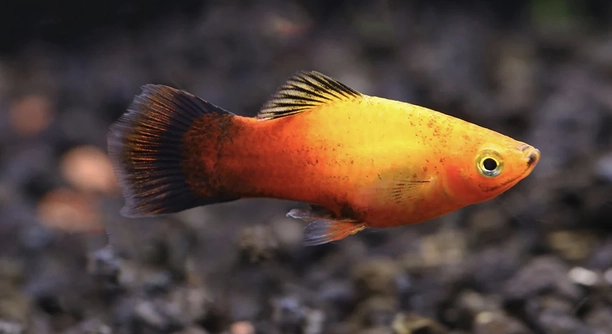
Do you enjoy keeping platies as colorful additions to your aquarium? The choice of substrate can affect the overall look and feel of their environment. Many aquarists wonder if bright substrate colors impact platies’ behavior or health.
Platies generally do not mind bright substrate colors as long as the environment remains stable and clean. Their behavior and well-being are influenced more by water quality and tank conditions than by substrate color. Bright substrates may enhance visual appeal without causing stress.
Understanding how substrate colors affect your platies can help you create a balanced aquarium environment. This article will explain the relationship between substrate choices and platy comfort in simple terms.
How Platies React to Bright Substrate Colors
Platies are hardy fish known for their adaptability. Their reaction to bright substrate colors is usually minimal because they rely more on water quality and hiding spots for comfort. Bright substrates do not naturally cause stress or behavioral changes. However, sudden changes in the tank, including substrate swaps, can initially unsettle them. Over time, most platies adjust without any lasting effects. The visual contrast created by bright colors may even make the fish more visible and lively to the owner. When selecting substrate, it’s important to consider how it complements the overall tank setup, including plants and decorations. Cleanliness and stable water parameters remain the top priorities. Avoid using substrates that could harm water chemistry or physical health. In summary, the color itself is less important to platies than the environment’s stability and comfort.
Platies focus more on their environment’s safety and comfort than on the color beneath them. Bright colors alone are unlikely to affect their well-being.
Providing hiding places and maintaining water quality ensure your platies feel secure. Bright substrates can add aesthetic value without disrupting their natural behavior.
Choosing the Right Substrate for Your Platies
Selecting substrate involves more than just color. Texture, size, and chemical neutrality are critical factors. Fine gravel or sand is often best for platies, allowing them to explore without risk of injury. Some substrates may alter pH or hardness, which can impact fish health. Bright substrates that are safe and chemically inert pose no problem. Avoid substrates with sharp edges or harmful dyes. Cleaning and maintenance are easier with appropriate substrate choice. While bright colors can enhance tank appearance, they should not overshadow practical concerns. Balancing aesthetics with fish needs creates a better habitat. Keep in mind that substrate can influence plant growth, which in turn benefits the fish. Always research specific substrate brands for safety and compatibility with your aquarium setup. Your platies will thrive in a well-chosen, well-maintained substrate environment.
A bright substrate can improve your tank’s look if it fits well with your aquarium’s needs and your platies’ comfort. Choosing the right type ensures a healthy habitat.
Impact of Bright Substrate on Platy Behavior
Bright substrates generally do not cause aggressive or shy behavior in platies. These fish are more influenced by tank mates and environment structure than by color beneath them. Their natural curiosity usually outweighs any visual discomfort.
Platies rely heavily on stable surroundings. Bright substrate colors rarely affect their feeding or swimming habits. Instead, sudden changes in water parameters or overcrowding tend to trigger stress. Bright colors might actually help platies feel more secure by enhancing visibility of their territory. When the substrate is clean and well-maintained, platies are less likely to hide or become anxious. Consistent care ensures behavior remains normal regardless of substrate color.
In some cases, brightly colored substrate can reflect light differently, influencing how platies perceive their environment. However, this effect is minor and usually does not disturb their daily routine. Fishkeepers often report no significant behavioral changes after switching to bright substrates, confirming platies’ adaptability.
Maintaining a Healthy Environment with Bright Substrate
Keeping a bright substrate clean requires regular maintenance to prevent algae buildup and debris accumulation. This helps maintain water quality, which is critical for platy health.
A bright substrate can make it easier to spot waste and uneaten food, encouraging more frequent cleaning. This results in better water parameters and fewer health issues. Avoid harsh chemicals that could discolor the substrate or harm the fish. Use gentle vacuuming during water changes to keep the substrate free of harmful buildup. Maintaining water conditions like pH, temperature, and hardness is essential, regardless of substrate color. Overall, cleanliness and stability matter more to platies than substrate brightness. Proper care ensures a vibrant tank with happy, healthy fish.
Choosing Substrate Color for Visual Appeal
Bright substrates can enhance the colors of platies, making them stand out more in the tank. Many keepers enjoy the vibrant look these substrates provide.
Choosing a substrate color that contrasts well with your platies’ natural tones can create an attractive display. This makes the tank visually engaging without affecting the fish negatively.
Common Substrate Materials for Platies
Gravel, sand, and specialized aquarium substrates are popular choices. Each has benefits depending on tank setup and maintenance preferences.
Avoiding Substrate That Alters Water Chemistry
Some substrates may change pH or hardness, which can stress platies. It is important to select neutral, aquarium-safe materials.
FAQ
Do bright substrates stress platies?
Bright substrates do not typically stress platies. These fish respond more to changes in water quality, tank mates, and hiding places. A brightly colored substrate alone is unlikely to cause fear or discomfort. Stability in the tank environment matters far more than color.
Can substrate color affect platy health?
Substrate color does not directly affect platy health. However, some brightly colored substrates may contain dyes or chemicals that could leach into the water. It is important to use aquarium-safe substrates to avoid health risks. Choosing inert materials prevents water chemistry issues.
Will bright substrate help show off my platies’ colors?
Yes, a bright substrate can highlight your platies’ natural colors. Contrasting backgrounds can make fish appear more vivid and visually appealing. This is often a reason aquarists pick bright or light-colored substrates.
Should I be concerned about algae growth on bright substrates?
Bright substrates may make algae more visible, but they do not cause more algae to grow. Algae growth depends on light, nutrients, and tank maintenance. Regular cleaning and controlling light exposure are key to preventing algae buildup.
Is it harder to clean bright substrate compared to darker ones?
Cleaning a bright substrate can be easier because debris is more visible. This helps in maintaining a cleaner tank. However, the cleaning process itself is the same regardless of substrate color. Consistent vacuuming keeps the substrate free from waste.
Do platies prefer natural or artificial substrate colors?
Platies do not have a strong preference for natural or artificial colors. They adapt well to both as long as the tank is stable and clean. Their comfort depends more on hiding places and water quality than substrate color.
Can substrate color affect breeding behavior?
There is no strong evidence that substrate color impacts breeding in platies. Breeding depends on water conditions, tank setup, and stress levels. A comfortable environment with proper water parameters encourages spawning regardless of substrate color.
Will changing substrate color suddenly stress platies?
Sudden changes in substrate can cause temporary stress, mainly due to disruption in their familiar environment. To minimize this, gradually introduce changes or provide ample hiding spots. Most platies adjust quickly with proper care.
Are brightly colored substrates safe for planted tanks with platies?
Bright substrates can be safe for planted tanks if they support plant growth. Some brightly colored substrates are purely decorative and lack nutrients. Using nutrient-rich substrates beneath decorative layers can maintain plant health while providing color contrast.
How often should I clean substrate to keep platies healthy?
Regular cleaning every one to two weeks is ideal. This prevents waste buildup and helps maintain water quality. Avoid deep cleaning that disturbs beneficial bacteria. Gentle vacuuming balances cleanliness with a healthy environment.
Can substrate color influence tank lighting needs?
Bright substrates reflect more light, which may enhance tank brightness. This can be beneficial in low-light setups. However, it does not replace the need for proper aquarium lighting tailored to plants and fish.
Is substrate color important for beginner platy keepers?
For beginners, substrate color is less important than water parameters and tank setup. Focusing on clean water and stable conditions ensures healthy fish. Color choices can come later once basic care is mastered.
Do platies hide more on bright or dark substrates?
Platies tend to hide based on stress or threat, not substrate color. Both bright and dark substrates can provide hiding spots if combined with plants and decorations. Comfort comes from environment complexity, not color.
Can substrate color influence how easy it is to spot sick platies?
A bright substrate can make it easier to notice unusual fish behavior or physical signs of illness. Clear visibility helps with early detection and treatment. Dark substrates might camouflage subtle symptoms.
Are there any substrates to avoid when keeping platies?
Avoid substrates with sharp edges, heavy dyes, or unknown chemicals. These can harm fish or affect water chemistry. Stick to tested, aquarium-safe materials designed for freshwater tanks to protect your platies.
Final Thoughts
Choosing the right substrate color for your platy tank is mostly about balancing visual appeal with the fish’s comfort. Platies are quite adaptable and do not seem to mind bright substrate colors as long as their environment is stable and clean. The color of the substrate is less important to them than water quality, hiding places, and tank mates. While bright colors can make your aquarium look lively and attractive, they should not come at the cost of proper tank maintenance or fish health. In the end, platies respond best to consistency and good care rather than specific color choices.
It is also important to select substrates that are safe and suitable for aquarium use. Some brightly colored substrates may contain dyes or chemicals that could affect water quality and harm your fish. Choosing inert, aquarium-approved materials will help avoid these risks. The texture and size of the substrate matter as well because platies enjoy exploring their environment. Fine gravel or sand often works well. Maintaining the substrate with regular cleaning is essential to prevent waste buildup, which can negatively impact water parameters. A clean substrate supports a healthy and comfortable habitat for your platies, regardless of its color.
Lastly, bright substrates can enhance the overall look of your aquarium by making the fish’s colors stand out more vividly. This can create an engaging visual experience that many aquarium keepers appreciate. However, it is important to remember that substrate color alone will not influence your platies’ behavior or health. Providing a balanced environment with stable water conditions, proper nutrition, and suitable tank mates will ensure your platies thrive. With the right care, your platies will remain healthy and active, whether your substrate is bright or neutral.

Hello,
If you enjoy the content that we create, please consider saying a "Thank You!" by leaving a tip.
Every little bit helps us continue crafting quality advice that supports the health, happiness, and well-being of pets around the world, for pets of all shapes, sizes, and species.
We really appreciate the kindness and support that you show us!