
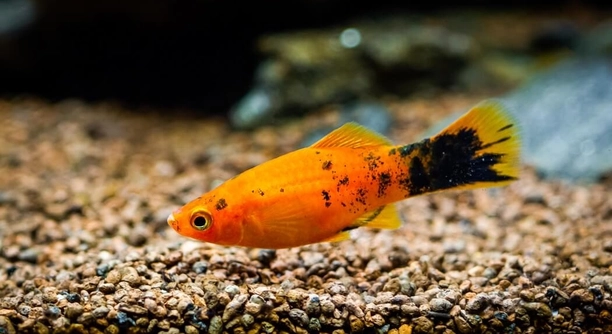
Do you ever notice your platies swimming near bubbles in their tank and wonder if they enjoy it? Many fish owners observe this behavior but may not know what it means for their pets. Understanding how platies interact with bubbles can help improve their care.
Platies generally do not have a strong preference for swimming through bubbles. While they may occasionally swim near or around bubble streams, this behavior is more about curiosity or movement in their environment rather than enjoyment or necessity. Bubbles do not significantly impact their well-being but can provide mild stimulation.
Knowing how platies respond to bubbles can help you create a better aquarium environment and keep your fish comfortable and healthy. There are subtle details behind this simple behavior worth exploring further.
Why Do Platies Swim Near Bubbles?
Platies often swim near bubbles in their aquarium because bubbles create movement and oxygenation in the water. These fish enjoy exploring changes in their environment, and bubbles provide a gentle current that encourages their natural swimming behavior. However, bubbles do not hold a special attraction for them like food or shelter would. Instead, the bubbles create small currents that stimulate their activity and curiosity. In a well-maintained tank, bubbles help keep the water oxygen-rich, which supports the health of platies. They may swim through or around bubbles simply because the movement catches their attention. It is also possible that platies associate bubbles with areas of higher oxygen, so they might linger there to breathe more easily. But this behavior is not consistent in all platies, as individual fish have different personalities and reactions to their surroundings.
Platies are generally adaptable and will swim near bubbles as part of their normal exploration in the tank.
Swimming near bubbles is part of a platy’s natural response to water flow, not a sign of specific preference.
How to Create a Comfortable Bubble Environment
To help platies feel comfortable around bubbles, use an air stone or filter that creates soft bubbles rather than strong currents. Strong bubbles or heavy water movement can stress platies and cause them to hide or swim erratically. A gentle bubble stream adds oxygen and mild stimulation without disturbing the fish. It is important to balance oxygenation with calm water, as platies prefer peaceful swimming conditions. Observing your platies can show if the bubble setup is working—if they swim calmly and explore the bubble areas, it’s a good sign. If they avoid bubbles, consider reducing the bubble flow. Regular maintenance ensures the bubbles continue to provide fresh oxygen and help keep the tank healthy. This way, your platies get the benefits of bubbles without discomfort.
Creating the right bubble environment can improve your platies’ overall health and well-being.
Adjust bubbles carefully to keep water conditions stable and fish stress-free.
Are Bubbles Beneficial for Platies?
Bubbles help increase oxygen levels in the tank, which is important for platies’ health. They also create gentle water movement that encourages natural swimming. However, bubbles alone won’t replace good tank maintenance or proper filtration.
Proper oxygenation supports platies’ metabolism and overall well-being. Bubbles created by air stones or filters improve gas exchange at the water surface, ensuring enough oxygen reaches the fish. This helps prevent stress and illness caused by low oxygen levels. While platies don’t seek out bubbles specifically, the presence of bubbles means the water is healthier. Still, bubbles shouldn’t be too strong, as that can tire the fish or cause discomfort. Maintaining a balanced environment with clean water, regular changes, and appropriate equipment is more important than just the bubbles themselves.
Besides oxygen, bubbles stimulate platies mildly by creating currents. This can reduce boredom and encourage activity, making their environment more dynamic without causing stress.
How to Adjust Bubble Flow for Platies
Keep bubble flow gentle and steady to avoid stressing platies. Too strong bubbles can lead to erratic swimming or hiding behavior.
Adjust air pumps or filters to create a soft bubble stream rather than a rapid rush of air. This makes water movement more natural and less disturbing for platies. You can use valves or diffusers to control bubble size and flow. Observe your fish closely after changes—calm swimming near bubbles means the flow is right. If platies hide or avoid certain areas, reduce bubble intensity. Also, position air stones or bubble makers away from hiding spots to keep fish feeling safe. A well-balanced bubble flow enhances oxygen levels and keeps the tank comfortable, helping platies thrive.
Do Platies Play with Bubbles?
Platies don’t play with bubbles like some other fish might. Their interaction is more about curiosity or swimming patterns than active play.
They may swim through bubbles occasionally, but this behavior is random and not a sign of enjoyment or intentional play.
Bubble Size and Platy Behavior
The size of bubbles in the tank can affect how platies react. Small, gentle bubbles are usually ignored or lightly explored by platies, while large, strong bubbles can scare them. Large bubbles create strong currents that platies prefer to avoid because these currents can tire them out or disrupt their natural swimming style. On the other hand, small bubbles create a calming water flow that can encourage platies to swim more actively without stress. Observing how your platies respond to different bubble sizes can help you adjust your equipment for their comfort.
Bubble Placement in the Tank
Place bubble sources away from platies’ favorite resting spots to avoid stress or disturbance.
Do platies need bubbles in their tank?
Platies do not specifically need bubbles to survive, but bubbles help improve the tank environment. Bubbles increase oxygen levels in the water, which is essential for all fish. Without enough oxygen, platies can become stressed or sick. Bubbles also help circulate the water, preventing it from becoming stagnant. While platies don’t depend on bubbles like some species might, having a gentle bubble stream contributes to healthier water conditions. Proper filtration and regular water changes remain the most important factors for their well-being. So, bubbles are helpful but not absolutely necessary if other tank conditions are well maintained.
Can bubbles stress platies?
Yes, bubbles can stress platies if they are too strong or create excessive water movement. Platies prefer calm waters and can become anxious if currents are too powerful. Large bubbles or rapid air streams may cause them to dart around or hide more often. To avoid this, adjust air pumps and filters to produce gentle bubbles and soft water flow. Watching your platies’ behavior will tell you if the bubble strength is right — calm, steady swimming means they are comfortable. If they show signs of stress, such as frantic movements or hiding, it’s time to reduce bubble intensity.
Why do platies swim through bubbles sometimes?
Platies swim through bubbles mainly out of curiosity or because bubbles create gentle currents that encourage movement. They don’t swim through bubbles for fun, but the rising bubbles and water flow attract their attention. Bubbles can break the stillness of the water, making it more interesting for fish to explore. This mild stimulation is healthy, as it encourages activity and reduces boredom. However, not all platies do this, since individual fish have different personalities. Swimming near or through bubbles is a natural behavior related to exploring their environment.
Are all types of bubbles safe for platies?
Most bubbles from standard aquarium air stones or filters are safe if they are gentle and not too large. Large bubbles or very strong air jets can stress or harm platies by creating harsh currents. Small, fine bubbles help with oxygen exchange and are the best option for platy tanks. It’s important to monitor the bubble source regularly to make sure it’s working properly and not causing discomfort. Using diffusers or adjustable air pumps can help control bubble size and flow. Safe bubbles improve tank health without disturbing your fish.
How do I know if my platies like the bubbles?
You can tell if platies are comfortable around bubbles by watching their behavior. If they swim calmly near bubbles or explore the area without hiding, the bubbles are not bothering them. If they avoid the bubble stream, swim erratically, or hide often, the bubbles might be too strong or placed poorly. Platies may also pause near bubbles if they associate them with oxygen-rich water. Overall, relaxed and natural swimming around bubbles shows they are fine with them.
Can bubbles replace the need for tank filtration?
No, bubbles cannot replace filtration. Bubbles help oxygenate and circulate water but do not clean it. A good filter removes waste, toxins, and debris, which is crucial for fish health. Bubbles alone do not keep the water clean or safe for platies. Proper filtration combined with regular water changes ensures a healthy environment. Think of bubbles as one part of maintaining water quality but never the only solution.
Do platies use bubbles for breathing?
Platies breathe through their gills, which extract oxygen from the water. Bubbles help increase oxygen levels but platies do not breathe the bubbles themselves. The bubbles rise to the surface, promoting gas exchange where oxygen enters the water. This process improves oxygen availability for all fish. So while platies don’t breathe bubbles directly, bubbles contribute to healthier water and better oxygen supply for them.
Is it better to have continuous bubbles or occasional bubbles?
Continuous gentle bubbles are generally better for platies because they keep oxygen levels stable and provide consistent water movement. Sudden bursts of bubbles or irregular air flow may startle fish. Continuous bubbles create a balanced environment without drastic changes. However, bubbles should not be too strong or noisy. A steady, soft bubble flow supports platy comfort and tank health over time.
Can too many bubbles cause problems in the tank?
Yes, too many bubbles or excessive aeration can create strong currents that stress fish and disturb plants or substrate. It can also cause rapid water evaporation and increase tank noise. Over-aeration can disrupt the natural behavior of platies, leading to fatigue or hiding. Balance is key—enough bubbles to oxygenate but not so many that they overwhelm the tank environment. Adjust bubble production based on your tank size and fish behavior.
What equipment is best for creating bubbles for platies?
Air stones combined with adjustable air pumps are the most common and effective way to create gentle bubbles. Air stones produce fine bubbles that improve oxygen exchange without creating strong currents. Filters with built-in air bubblers can also be used if flow is gentle. Choosing equipment with adjustable settings lets you control bubble size and strength, which helps tailor conditions to platies’ needs. Always monitor your tank and make changes if fish show signs of discomfort.
Platies are small, peaceful fish that adapt well to many tank conditions. When it comes to bubbles in their environment, they don’t have a strong preference but do respond to the effects bubbles create. Bubbles mainly help oxygenate the water and keep it moving gently, which is important for platies’ health. While platies may sometimes swim near or through bubbles, this behavior is more about curiosity or natural swimming patterns than a true liking for bubbles. Providing a balanced bubble flow in the tank helps maintain a healthy environment without causing stress or discomfort to the fish.
It is important to remember that bubbles alone do not make a tank perfect for platies. Good filtration, regular water changes, and stable water parameters are far more important for their well-being. Bubbles are a useful part of the overall care routine because they increase oxygen levels and encourage water circulation, but they are not the only factor to consider. Platies thrive best in calm waters with enough oxygen and clean, safe conditions. Making sure the bubbles are gentle and well-controlled helps keep the tank comfortable and allows platies to swim freely without feeling disturbed or stressed.
In summary, bubbles play a supportive role in a platy’s tank environment. They improve oxygen supply and gently stimulate activity but do not hold a special attraction for the fish. Adjusting bubbles to be soft and steady will benefit platies without causing unnecessary stress. By focusing on proper tank maintenance alongside careful bubble flow, platy owners can create a peaceful and healthy home for their fish. Understanding how platies interact with bubbles helps provide better care and ensures these colorful fish remain happy and active.

Hello,
If you enjoy the content that we create, please consider saying a "Thank You!" by leaving a tip.
Every little bit helps us continue crafting quality advice that supports the health, happiness, and well-being of pets around the world, for pets of all shapes, sizes, and species.
We really appreciate the kindness and support that you show us!