
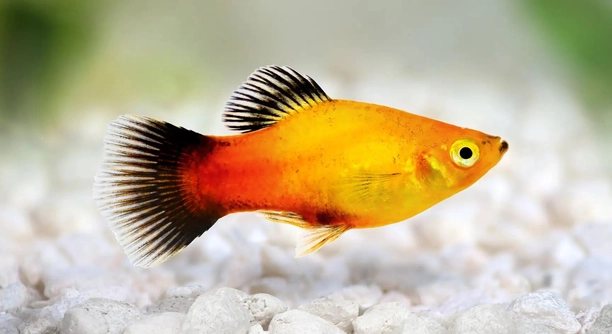
Platies are popular freshwater fish often kept in home aquariums. Many aquarists wonder about their compatibility with other fish, especially regarding swimming speeds. Understanding how platies interact with slower tank companions can improve their wellbeing.
Platies generally tolerate slower tank mates well, as they are peaceful and adaptable. However, the presence of very slow or sedentary fish does not negatively impact their behavior or health. Platies benefit from a calm environment and compatible companions regardless of speed.
Knowing how platies respond to slower fish can help you create a balanced and harmonious aquarium environment. This information is useful for both new and experienced fishkeepers aiming for peaceful tank communities.
Understanding Platies’ Social Behavior
Platies are naturally peaceful fish that enjoy living in groups. They prefer tank companions that are not aggressive or overly fast swimmers. When placed with slower fish, platies usually show no signs of stress. This is because they are active but not overly competitive. Slower fish like certain species of catfish or bottom dwellers do not disturb platies’ normal swimming patterns. The tank environment matters a lot, too. If there is enough space and hiding spots, all fish tend to coexist more peacefully. Platies benefit from a balanced aquarium where fish have different swimming levels—some near the surface, others at the bottom. This reduces competition for space and food. Over time, platies adapt well to slower companions and maintain healthy behavior. It’s important to observe how all fish interact during feeding and general activity to ensure a calm tank atmosphere.
Platies thrive in community tanks that provide varied swimming zones and adequate space for all species. This helps reduce any potential stress caused by speed differences.
Ensuring your tank has multiple levels of swimming space, along with proper filtration and regular water changes, supports the health of both platies and slower tank mates. Feeding should be consistent and adequate to avoid competition. In well-planned tanks, slower fish and platies can live together without issues, enriching the aquarium’s diversity.
Feeding Habits and Speed Differences
Feeding times can highlight differences in swimming speed among tank mates. Platies are eager eaters who usually come to the surface quickly when food is added. Slower fish may take longer to reach food or prefer sinking pellets. It’s important to provide food that suits all species in the tank to avoid hunger or aggression.
When feeding platies with slower fish, distributing food in different areas helps. This prevents faster fish from dominating the meal. Using a variety of food types, like flakes for surface feeders and pellets or wafers for bottom dwellers, works best. It also encourages natural foraging behaviors, which can reduce stress.
Regular observation during feeding allows you to spot if slower fish are getting enough nutrition or if adjustments are needed. Offering food in small amounts multiple times a day can keep the peace and ensure everyone eats. Proper feeding routines help maintain harmony despite differences in swimming speed.
Tank Setup for Mixed-Speed Fish
Choosing the right tank size is crucial when mixing platies with slower fish. A larger tank offers more space for all fish to swim comfortably without overcrowding or stress.
Proper decoration with plants and hiding spots creates separate areas. This allows slower fish to retreat when needed and gives platies room to explore. Plants like Java fern or Anubias work well because they grow slowly and provide cover. Open swimming areas also let platies show their natural behavior. Adding smooth rocks or caves benefits bottom dwellers. This balance in the tank setup supports peaceful coexistence between species with different swimming speeds.
Regular maintenance, such as cleaning filters and monitoring water quality, supports a healthy environment. Proper tank setup minimizes conflicts and promotes the wellbeing of all fish.
Monitoring Behavior and Health
Observing your fish regularly helps catch any signs of stress or illness early. Changes in swimming patterns or appetite may indicate problems.
Platies showing aggression or chasing slower fish can disrupt tank harmony. Providing enough space and hiding spots reduces such behavior. Sometimes, slow fish hiding too much could mean they feel threatened. Checking water parameters like ammonia, nitrites, and pH is essential. Poor water quality stresses all fish, regardless of speed differences. Keep a consistent feeding routine to avoid competition. Maintaining a balanced environment ensures both platies and slower fish stay healthy and active.
Compatible Slow Tank Mates
Certain slow fish naturally fit well with platies. Corydoras catfish and kuhli loaches are calm bottom dwellers that rarely bother faster swimmers. They add diversity without causing stress.
These species share similar water conditions with platies. Their slow movements complement platies’ activity, creating a peaceful tank dynamic.
Avoiding Common Issues
Overcrowding is a frequent cause of tension in mixed-speed tanks. Too many fish lead to competition for food and space, increasing stress.
Maintaining a proper fish-to-gallon ratio prevents this issue. It also helps keep water quality stable, benefiting all inhabitants.
Water Temperature Considerations
Platies and slower companions usually thrive in tropical temperatures between 72°F and 78°F. Keeping consistent water temperature is key.
Avoid sudden changes, which can stress fish and affect their behavior and health.
Signs of Stress to Watch
Fish hiding excessively or losing appetite often indicate stress. Incompatible tank mates or poor water conditions are common causes.
Addressing these signs quickly helps restore a peaceful tank environment for everyone.
FAQ
Do platies prefer faster or slower tank mates?
Platies are peaceful and adaptable fish that do not have a strong preference for the speed of their tank mates. They coexist well with both faster and slower species as long as those fish are calm and non-aggressive. The key factor is compatibility in temperament rather than swimming speed.
Can slower fish stress out platies?
Generally, slower fish do not stress out platies. Platies are active but not overly aggressive, so they tolerate slow-moving tank mates well. Stress usually arises from overcrowding, poor water quality, or aggressive species—not speed differences. Ensuring proper tank conditions keeps stress low.
What are good slow tank mates for platies?
Bottom dwellers like corydoras catfish, kuhli loaches, and some types of snails are excellent slow companions. These fish tend to stay near the bottom, allowing platies to swim freely near the surface. Their gentle behavior and slow movement complement platies nicely without causing conflict.
How should I feed platies with slower tank mates?
Feed a mix of floating flakes or pellets for platies and sinking wafers or pellets for slower bottom dwellers. Distribute food in multiple locations to ensure all fish get their share. Feeding smaller amounts several times a day reduces competition and stress during meals.
Can platies harm slower fish unintentionally?
Platies are not aggressive, so they rarely harm other fish. However, fast swimmers may outcompete slow fish for food if feeding isn’t managed well. Proper feeding techniques and adequate tank space prevent unintentional harm.
Does tank size affect how platies and slower fish get along?
Yes, tank size is important. Larger tanks provide enough space for fish to avoid each other when needed, reducing stress and aggression. Small tanks increase competition for space and food, which can create tension between fast and slow fish.
Are there any water conditions slower fish need that platies might not tolerate?
Most slow fish compatible with platies share similar tropical water preferences: temperature between 72°F and 78°F, neutral to slightly alkaline pH, and clean, well-oxygenated water. Always research specific species requirements before adding them to your tank.
How do I know if slower tank mates are getting enough food?
Observe feeding times carefully. If slower fish are hiding or appear thin, they might be missing out. Try feeding sinking foods directly near slower species and monitor their condition regularly. Adjust feeding routines as needed.
What behaviors should I watch for to detect stress in platies or slower fish?
Signs of stress include hiding too much, loss of appetite, erratic swimming, or faded coloration. Monitor fish daily, especially after introducing new tank mates. If stress is detected, check water quality, tank setup, and compatibility.
Can platies live alone, or do they need companions?
Platies are social fish and prefer living in groups. Keeping at least three or more platies together helps reduce stress and encourages natural behavior. They also benefit from community tanks with peaceful species, regardless of swimming speed.
Platies are peaceful and adaptable fish that usually get along well with a variety of tank companions, including slower species. Their calm nature means they do not require fast swimmers to feel comfortable in the aquarium. In fact, slower fish like corydoras catfish or kuhli loaches can coexist peacefully with platies when the tank is set up correctly. A good balance of swimming spaces, hiding spots, and proper feeding routines helps all fish thrive regardless of their swimming speeds. Ensuring the environment meets the needs of every species is more important than focusing only on how fast they swim.
Tank size and layout play a major role in keeping platies and slower fish happy. A spacious tank reduces competition for space and food, allowing fish to behave naturally without stress. Including plants, rocks, and other decorations creates different areas for fish to explore or retreat to. This gives slower fish places to rest safely and prevents platies from crowding them. Regular maintenance of water quality and temperature is also essential to avoid any health problems. When these factors are kept in check, both platies and slower companions can enjoy a healthy and peaceful life together.
Feeding habits are another important consideration. Platies tend to be eager eaters who swim quickly to food, while slower fish may need sinking pellets or wafers that reach the bottom. Feeding fish in separate areas of the tank ensures everyone gets enough nutrition without feeling rushed or stressed. Watching your fish during feeding times helps you see if adjustments are needed to support all species. Overall, mixing platies with slower tank mates can work well if the tank is planned carefully and daily care routines are consistent. This creates a calm environment where different types of fish can live comfortably side by side.

Hello,
If you enjoy the content that we create, please consider saying a "Thank You!" by leaving a tip.
Every little bit helps us continue crafting quality advice that supports the health, happiness, and well-being of pets around the world, for pets of all shapes, sizes, and species.
We really appreciate the kindness and support that you show us!