
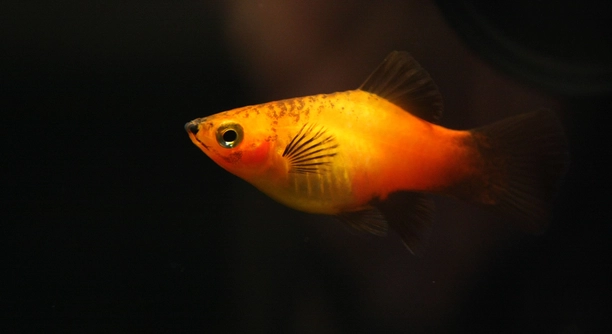
Do you ever find yourself setting up your aquarium and wondering how much water flow is too much for your platies? These colorful fish may seem easygoing, but their comfort depends on several small details.
Platies do not prefer strong water currents. In their natural habitat, they live in calm, slow-moving waters, so strong currents can stress them out, affect their swimming, and even interfere with their feeding habits.
Understanding how water movement affects your platies will help you create a more peaceful and healthy environment for them to thrive in.
Why Strong Currents Don’t Work for Platies
Platies are peaceful, small-bodied fish that thrive in gentle water. In the wild, they are used to slow streams, ponds, and calm rivers. When placed in an aquarium with strong currents, they often struggle to swim steadily. This can lead to exhaustion and make it difficult for them to eat properly. Strong water movement may also push them around the tank, causing stress. Over time, that stress can lead to weakened immune systems and more health problems. While they may tolerate mild flow, anything too powerful can reduce their quality of life. These fish prefer still or lightly filtered water where they can move around with ease. When the current is too forceful, their usual active and social behavior may change. They may start hiding more or sticking to the corners of the tank. A calm environment helps them feel safer and behave naturally, which is important for their overall well-being.
A quieter tank also supports healthy feeding. Platies need time to find and eat their food without it getting swept away.
If your filter is too powerful, consider using a sponge filter or adjusting the flow settings. Even placing plants or decorations can help break the current, creating calmer zones where platies can rest comfortably.
Signs the Water Flow Might Be Too Strong
Platies hiding often, swimming in place, or staying near the bottom could be signs that your tank has too much current.
They may also look like they’re constantly fighting the flow, which can tire them out. Strong currents can prevent them from reaching food, leading to weight loss over time. You may also notice them clustering behind decorations or near the filter intake where the flow is less intense. Their fins might look clamped, and they might become less active overall. These subtle changes can happen gradually, so it’s important to watch their behavior closely. A normally playful platy may become withdrawn or avoid the open areas of the tank if it feels overwhelmed. Adjusting the filter or adding elements like driftwood, rocks, or tall plants can reduce the flow. This helps your platies move freely and live more comfortably. They are much more active and healthy when they aren’t constantly working against strong water pressure.
How to Adjust the Current in Your Tank
You can reduce water flow by adjusting the filter’s output or using a pre-filter sponge. These small changes make a big difference for platies. Positioning the filter toward the tank wall also helps soften the current across the tank.
Adding decorations is another easy way to slow things down. Plants, rocks, and driftwood break up the current and create quiet spots for your platies to relax. Choose tall plants or wide ornaments and place them where the flow is strongest. Some fish will even hang out behind these objects when they want a break. You can also try changing your filter’s angle or placing a sponge over the output. Sponge filters are especially good because they offer gentle filtration and double as a safe feeding area. If your tank is tall, the current may feel stronger at the surface—so try lowering the water level slightly if needed.
If your filter doesn’t have a flow control knob, a DIY fix can help. A piece of filter sponge or mesh tied with a rubber band over the output can slow the flow effectively. Make sure it’s secure but not too tight. This softens the current without damaging the equipment or blocking too much water movement.
Ideal Setup for Happy, Healthy Platies
Platies do best in tanks with steady but gentle filtration, plenty of hiding spots, and open swimming areas. Avoid sharp decorations or equipment that could create too much pressure. Keep temperatures around 72–78°F, and make sure the tank is not overcrowded.
A 10 to 20-gallon tank gives them enough room to explore without feeling overwhelmed. Use live or silk plants, smooth rocks, and driftwood to build a natural-looking space. Plants like Java fern and Anubias work well since they don’t need strong water flow. Place taller decorations near the filter to block strong areas of current. Keep a light gravel or sand substrate, which is easier for platies to swim over and forage in. A sponge filter or adjustable hang-on-back filter is ideal. Make sure there’s consistent lighting and a secure lid, since platies can occasionally jump. Maintaining a calm and balanced setup helps them stay active, social, and in good health.
What to Avoid When Managing Water Flow
Avoid placing your filter directly in the center of the tank. This pushes water across the whole space and leaves no quiet area for your platies to rest or feed calmly.
Don’t use high-powered filters designed for larger or fast-flowing tanks. These can create strong pressure that stresses out smaller, gentle fish like platies.
Monitoring Your Platies After Adjustments
After adjusting the current, observe your platies for a few days. Look for signs of improvement—like increased swimming, feeding, and social behavior. If they come out more and explore the tank again, it’s usually a good sign the changes are working. Make small tweaks if needed, like moving a plant or shifting the filter angle slightly. Platies respond well to a calm environment, so it’s worth taking time to fine-tune your setup. Be patient and give them a chance to adjust. It may take a little time for them to fully relax, but their behavior will show when they’re comfortable again.
Final Thoughts on Tank Maintenance
Routine maintenance helps keep the current consistent. Clean your filter regularly, check for blockages, and replace worn parts when needed.
FAQ
Can platies live in a tank with no filter at all?
Technically, yes—but it’s not ideal. A tank without a filter can lead to poor water quality very quickly, especially with active fish like platies. Filters help keep the water clean and oxygenated. If you go filter-free, you’ll need to do frequent water changes—sometimes daily—and monitor ammonia levels closely. You’d also need to stock the tank lightly and add a lot of live plants. Even with that, it’s still harder to manage and more stressful for the fish. A gentle sponge filter is a much better option for long-term care.
Do platies need air stones if there’s already a filter?
Not usually. If your filter provides enough surface agitation, it will keep oxygen levels stable. Air stones can help in larger tanks or if the filter flow is very gentle. They can also be useful during hot weather when oxygen levels drop faster. However, too much bubbling or surface movement might be uncomfortable for platies. If you use an air stone, place it near a corner or behind a plant so it doesn’t cause strong movement across the tank. Watch your fish to see if they’re avoiding the area or acting stressed.
How do I know if my filter is too strong?
If your platies are constantly swimming against the current or hiding more than usual, the flow might be too much. Other signs include clamped fins, lack of appetite, or staying in one spot to avoid movement. You may also see food quickly getting pushed away before they can reach it. A strong current often creates unnatural behavior, making the fish seem uneasy or tired. Try placing a plant or decoration near the filter. If your fish immediately gather behind it, they’re likely using it as a break from the current.
What kind of filter is best for a platy tank?
Sponge filters and adjustable hang-on-back filters are both good choices. Sponge filters are especially gentle and also provide biological filtration, which helps with water quality. Hang-on-back filters with a flow control knob let you fine-tune the water movement, which is helpful if your platies seem sensitive. Avoid canister filters unless the output is carefully adjusted or diffused, since these often create strong flow. No matter the type, aim for steady but soft circulation that keeps water clean without pushing your fish around the tank.
Do young platies react differently to strong currents than adults?
Yes, fry and young platies are more sensitive to strong flow. They’re smaller and less able to swim against pressure. In tanks with strong currents, young platies may struggle to reach food or get swept into filter intakes. This makes them more vulnerable to stress and injury. If you’re raising fry, use a sponge filter or cover the intake of your main filter with mesh or sponge. Keep decorations low and simple so the fry can rest easily. A gentle current helps them grow safely and reduces daily stress.
Is it normal for platies to stay near the filter?
Only if that area offers shelter or calmer water. Platies may hang near a filter if the rest of the tank has too much current. If they’re crowding near the intake or resting behind the output, they’re likely trying to avoid strong flow elsewhere. On the other hand, if they explore the whole tank and return to the filter area occasionally, it might just be a preferred resting spot. It depends on their behavior overall. Sudden changes or signs of stress could mean the current needs adjusting.
How often should I check the water flow in my tank?
It’s good to check once a week, especially during cleaning. After cleaning or moving decorations, water flow may change without you noticing. Also check after adding new equipment or plants. Take a few minutes to watch how your platies swim. If they look calm and active in most areas of the tank, the flow is likely fine. If they seem stressed or stay in one spot, something might be off. Regular checks help you catch small problems before they affect your fish’s health.
Final Thoughts
Platies are peaceful and active fish that enjoy calm, steady environments. While they are often seen as easy to care for, small details like water flow can make a big difference in their well-being. Strong currents may not seem like a problem at first, but over time, they can cause stress and discomfort. These fish come from slow-moving waters, and they prefer a tank that reflects that. A strong filter can make them hide, stop eating, or become less active. That’s why it’s important to watch their behavior and adjust the flow if needed. A few simple changes—like adding plants or adjusting the filter direction—can help create a space that feels natural and safe.
Keeping the water flow at the right level supports healthy feeding and natural movement. When platies are comfortable, they tend to be more social, explore more, and show their bright colors. A calmer environment also helps young fish grow without unnecessary stress. It’s not just about lowering the current but also about creating balance in the tank. Make sure there are enough quiet areas and that no part of the tank is too overwhelming. Sponge filters and adjustable flow filters work well and are easy to maintain. Even placing plants or driftwood in the right spot can improve the setup without needing to buy new equipment.
Taking a few minutes each week to check on your platies and how they respond to the water flow can help prevent future problems. Watching where they swim, how they eat, and where they rest will give you clues. If they avoid certain areas or stay hidden most of the time, something might need adjusting. Good tank care is not just about water quality—it’s also about comfort and safety. By keeping things calm and steady, you give your platies a better chance to thrive. Their behavior will reflect how well they feel in the space you’ve created. A peaceful tank helps them stay active, healthy, and relaxed, making the overall experience of keeping them more enjoyable. With just a little attention to detail, your platies can live in a tank that suits their natural needs.

Hello,
If you enjoy the content that we create, please consider saying a "Thank You!" by leaving a tip.
Every little bit helps us continue crafting quality advice that supports the health, happiness, and well-being of pets around the world, for pets of all shapes, sizes, and species.
We really appreciate the kindness and support that you show us!