
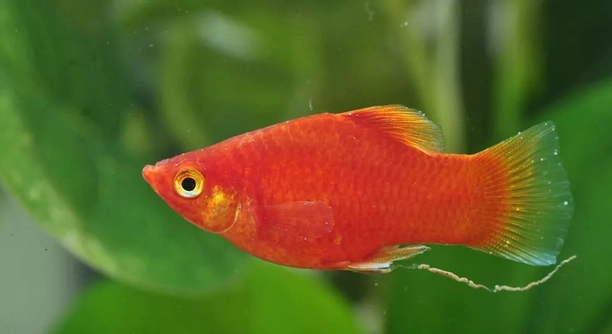
Platies are popular freshwater fish often kept in home aquariums. Their environment plays a big role in their health and behavior. Lighting, both natural and artificial, is one of the key factors that affect their well-being and activity levels.
Platies generally respond well to both natural and artificial light, but natural light tends to promote healthier growth and more natural behavior patterns. Artificial light can be effective if it mimics the natural day-night cycle and intensity, ensuring the fish remain active and stress-free.
Understanding the effects of different light sources can help you create a better habitat for your platies. This article explores how lighting influences their health and daily routines.
Natural Light Benefits for Platies
Natural light provides a full spectrum of wavelengths that closely resemble what platies experience in their natural environment. This type of light encourages healthier growth, better coloration, and more natural behavior patterns. When exposed to natural light, platies tend to be more active and display vibrant colors, which indicates good health. However, direct sunlight can sometimes cause algae growth in the aquarium, which might require regular cleaning. It is also important to ensure that the tank is not overheated by the sun, as temperature fluctuations can stress the fish. Positioning the aquarium near a window with indirect sunlight is often ideal. This balance allows the platies to benefit from the natural light without the negative effects of overheating or excessive algae. Overall, natural light supports a stable environment that helps maintain the fish’s biological rhythms and overall well-being.
Natural light is ideal but must be managed carefully to avoid temperature spikes or algae growth.
Setting up an aquarium near a window with filtered sunlight offers platies exposure to beneficial light while minimizing potential issues. Covering the tank with a light-diffusing curtain or placing it in a spot with indirect light helps control the intensity. This setup provides a near-natural environment for platies, supporting their daily activity and rest cycles. Regular maintenance and monitoring ensure the habitat stays healthy without algae overgrowth or temperature fluctuations.
Artificial Light in Aquariums
Artificial light is a practical option for many aquarium owners who do not have access to sufficient natural light.
Modern aquarium lights can replicate natural daylight conditions, including brightness and color spectrum. LED lights are popular for their energy efficiency and ability to be adjusted according to the fish’s needs. Properly timed artificial lighting supports platies’ circadian rhythms, encouraging normal activity and feeding behaviors. It is important to provide a consistent light schedule, usually around 10-12 hours a day, to prevent stress caused by irregular lighting. Too much light can lead to increased algae growth, while too little may reduce fish activity and affect their health. Combining artificial light with good tank maintenance creates a stable and healthy environment for platies. In cases where natural light is unavailable, artificial light offers a reliable alternative that maintains the fish’s health and comfort.
Managing Light Exposure for Platies
Too much light can cause stress and promote unwanted algae growth. It is important to find a balance that supports the fish without harming the tank environment.
Controlling light exposure means setting a consistent schedule, ideally between 10 to 12 hours of light per day. This mimics natural conditions and helps regulate platies’ activity and rest. Using timers for artificial lights simplifies this process and avoids leaving the lights on for too long. For tanks near windows, shading or curtains can reduce excess sunlight. Monitoring algae growth and water temperature is also key. Adjusting light intensity or duration can prevent problems and maintain a healthy habitat for the fish.
Light quality matters too. Using full-spectrum bulbs for artificial lighting can improve color display and behavior. Avoid harsh, overly bright lights that may cause platies to hide or become inactive. Balancing intensity and duration creates a comfortable environment that supports their well-being.
Differences Between Daylight and LED Aquarium Lighting
Daylight offers a natural range of light wavelengths that support fish biology and plant growth better than some artificial options. However, it can be inconsistent depending on weather and time of year.
LED lighting provides control over brightness and spectrum, making it easier to tailor conditions for platies. It uses less energy and produces less heat than traditional bulbs, reducing temperature fluctuations. With LED lights, aquarium owners can customize the light schedule precisely and maintain consistent conditions regardless of external weather changes. Though LED lights may lack some natural wavelength variety, many models offer full-spectrum settings that closely mimic daylight, supporting fish health and vibrant coloration. This makes LED lighting a practical and effective choice for home aquariums.
Impact of Lighting on Platies’ Behavior
Lighting influences platies’ activity levels and social interactions. Proper lighting encourages natural swimming patterns and feeding habits.
Inadequate or excessive light can cause stress, leading to hiding or sluggish behavior. Maintaining a balanced light schedule helps platies feel secure and active, promoting overall well-being.
Best Practices for Aquarium Lighting
Use a timer to create a consistent day-night cycle of about 10-12 hours of light. Avoid direct sunlight to prevent overheating and algae growth. Choose full-spectrum LED bulbs for better color and health support. Regularly monitor the tank to adjust lighting as needed.
Signs of Light Stress in Platies
Platies that hide constantly, lose color, or show irregular swimming may be stressed by lighting. Adjusting light intensity or duration can improve their comfort and health.
FAQ
How much light do platies need daily?
Platies usually do well with about 10 to 12 hours of light per day. This amount mimics their natural environment and helps regulate their daily activity and rest cycles. Using a timer can make it easier to maintain this schedule consistently.
Can platies survive without natural light?
Yes, platies can survive without natural light as long as their artificial lighting is adequate. Full-spectrum LED lights that mimic daylight can support their health and behavior. Consistent light cycles are more important than the light source being natural.
Is artificial light better than natural light for platies?
Neither is strictly better; both have pros and cons. Natural light offers a full spectrum but can cause algae and temperature issues. Artificial light is controllable and consistent but must be properly chosen to mimic natural conditions.
What happens if platies get too much light?
Too much light can cause stress, making platies hide or become less active. It also encourages algae growth, which can harm water quality and require extra cleaning.
Can too little light harm platies?
Insufficient light may reduce platies’ activity and affect their coloration and overall health. Proper lighting helps maintain their natural rhythms and behaviors.
How do I prevent algae growth from light exposure?
Avoid placing the tank in direct sunlight and limit the duration of light exposure. Using timers for artificial lights and regular tank maintenance also helps control algae growth.
What type of artificial light is best for platies?
Full-spectrum LED lights are ideal because they provide a light range similar to natural sunlight, support fish health, and help plants grow if you have live plants in the tank.
Should I adjust lighting based on seasons?
If you rely on natural light, seasonal changes will affect lighting naturally. For artificial light, maintaining a consistent schedule throughout the year is best to avoid stressing the fish.
Can platies see the difference between natural and artificial light?
Platies can perceive differences in light quality and intensity, which can affect their behavior and health. Proper artificial lighting aims to replicate natural light to keep platies comfortable.
Is it necessary to have a dark period for platies?
Yes, platies need a dark period to rest. Continuous light can disrupt their natural cycles and cause stress, so a regular day-night cycle is essential.
How do I know if my platies are stressed from lighting?
Signs include hiding, dull coloration, sluggish movement, and loss of appetite. If these appear, check the lighting schedule and intensity and adjust accordingly.
Can lighting affect platies’ breeding?
Proper lighting helps maintain normal behavior and health, which supports breeding. Sudden changes or poor lighting conditions can disrupt mating behavior.
Are there any risks of using too bright LED lights?
Very bright LED lights may cause platies to become stressed or hide. It’s better to use adjustable lights and keep intensity moderate.
Does lighting affect aquarium plants alongside platies?
Yes, plants need adequate light to thrive, which indirectly benefits platies by improving water quality and providing shelter. Full-spectrum lighting supports both plants and fish.
Can I use colored lights for platies?
Colored lights can be used but are not necessary and may cause stress if too intense or unnatural. It’s best to stick with white full-spectrum lighting for a natural environment.
How often should I change aquarium bulbs?
Bulbs should be replaced every 6 to 12 months, depending on the type, as their light quality diminishes over time and can affect fish health.
Is morning light better than afternoon light for platies?
There is no clear advantage. Consistent light exposure is more important than the time of day. Avoiding intense direct afternoon sunlight helps prevent overheating.
Should I turn off the light completely at night?
Yes, platies need darkness to rest. Leaving lights on overnight can disturb their natural rhythms and cause stress.
Can fluctuating light conditions harm platies?
Sudden changes in lighting can stress platies. Keeping a steady and predictable light cycle supports their health.
Is it necessary to dim the light gradually?
Gradual dimming is helpful but not essential. Abrupt changes can startle fish, so if possible, slowly adjusting light intensity is better.
Finding the right balance of light for platies is important for their health and happiness. Both natural and artificial light have their advantages, and each can support platies well when managed properly. Natural light provides a full range of wavelengths that encourage natural behavior and growth, but it needs to be controlled to prevent overheating and algae buildup. Artificial light, especially modern full-spectrum LEDs, offers a consistent and adjustable option that can closely mimic natural conditions. Using timers and maintaining a regular light schedule helps platies follow their natural rhythms and avoid stress.
Light affects more than just how platies look. It influences their activity levels, feeding habits, and overall well-being. Too much light can cause stress and lead to hiding or sluggish behavior, while too little light might reduce their energy and dull their colors. Monitoring the tank for signs of stress or algae growth is a simple way to know if the lighting is right. Adjusting the light duration or intensity can improve the environment quickly. A good lighting setup also supports any live plants in the tank, which contribute to cleaner water and a healthier habitat.
In summary, consistent and balanced lighting is a key part of caring for platies. Whether you use natural sunlight or artificial lighting, managing the amount and quality of light is necessary for their comfort and health. Avoid sudden changes and try to provide a stable day-night cycle. Paying attention to how your platies respond will guide you in making adjustments. When done well, proper lighting creates a lively and stress-free home where platies can thrive and show their best colors.

Hello,
If you enjoy the content that we create, please consider saying a "Thank You!" by leaving a tip.
Every little bit helps us continue crafting quality advice that supports the health, happiness, and well-being of pets around the world, for pets of all shapes, sizes, and species.
We really appreciate the kindness and support that you show us!