
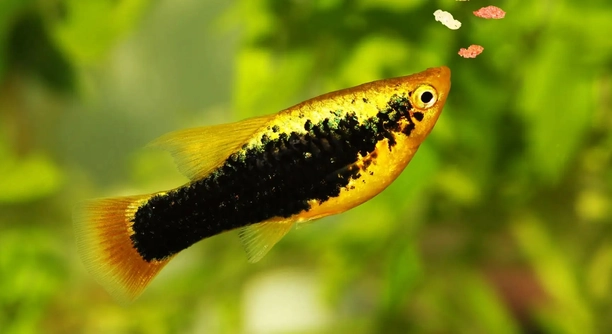
Do you enjoy keeping platies in your aquarium but wonder how they prefer water movement? Platies are popular freshwater fish known for their bright colors and peaceful nature. Knowing their preference can help create a better home for them.
Platies generally prefer areas with gentle flowing water rather than completely still zones. Moderate water movement helps oxygenate the tank and mimics their natural habitat, supporting their health and activity without causing stress.
Understanding how water flow affects platies can improve their well-being and keep your aquarium environment balanced and comfortable for them.
Understanding Platies’ Natural Habitat
Platies originate from slow-moving rivers, streams, and ponds in Central America. These environments usually have gentle currents rather than strong flows or completely still water. In the wild, they often stay near plants and rocks where water movement is mild. This natural setting helps provide oxygen and prevents stagnant conditions. When replicating their habitat in an aquarium, it is important to consider the water flow. Too much current can tire them out and cause stress, while no flow at all can lead to low oxygen levels and unhealthy water conditions. Keeping water moving gently encourages platies to swim actively and explore, which supports their overall well-being. Additionally, plants and decorations can help break up water flow, creating both calm and flowing areas for the fish to choose from.
A balanced flow keeps platies comfortable by giving them the option to swim with or against gentle currents, mimicking their native environment.
By understanding where platies come from and how their habitat works, you can better set up an aquarium that supports their natural behavior and health.
How to Create Ideal Flow Zones in Your Aquarium
Platies thrive when you provide both gentle flow and calm areas within the tank.
To achieve this, use a filter or water pump that produces moderate water movement. Position decorations, plants, and rocks strategically to reduce strong currents in some spots while allowing mild flow in others. This setup gives platies safe places to rest and explore at their own pace. Avoid powerful powerheads that create fast-moving water, as this can overwhelm them. Regular maintenance is essential to keep water quality high, especially when water movement varies across the tank. Adjusting flow to match platies’ needs can improve their health, reduce stress, and encourage natural behavior like swimming and feeding. With a little care, you can create an environment that keeps platies happy and active, making your aquarium more enjoyable to watch and maintain.
Signs Your Platies Prefer Flowing Water
Platies often gather where the water moves gently, showing a clear preference for flowing zones. You might notice them swimming actively in these areas, while resting less in still spots. Their behavior reveals how flow influences their comfort and activity.
Active swimming in mild currents helps platies stay healthy and engaged. When water moves too slowly, platies may become less energetic or hide more, signaling they need better oxygenation. Conversely, too strong a flow can cause them to struggle and avoid certain areas. Observing where platies spend most of their time gives clues about their flow preference and tank setup needs.
Proper water movement supports their breathing and muscle tone. Adjusting flow to suit their natural tendencies leads to a happier, more vibrant fish population that thrives in your aquarium.
Impact of Flow on Aquarium Maintenance
Water flow plays a crucial role in keeping your tank clean and balanced. Flowing water helps circulate oxygen and distribute nutrients, reducing waste buildup. It also prevents dead zones where debris can accumulate, making your cleaning routine easier and less frequent.
A well-placed filter combined with moderate water movement encourages beneficial bacteria growth on surfaces, which breaks down harmful toxins. This natural filtration system works better with flow than in still water. However, excessive flow can disturb substrate or plants, causing cloudy water or stress. Finding the right balance improves water quality and helps maintain a stable environment for your platies and other tank inhabitants.
Adjusting Flow for Different Tank Sizes
Small tanks need gentle flow to avoid stressing platies. Larger tanks can support stronger, yet still moderate, currents without issue.
In all tank sizes, aim for flow that keeps water moving without creating strong waves or turbulence. This balance helps platies stay comfortable and active.
Choosing the Right Equipment for Flow
Filters with adjustable flow settings are ideal for platy tanks. Canister filters and sponge filters work well, offering gentle circulation.
Choosing equipment that allows fine control lets you create both flowing and still areas, matching platies’ needs and tank layout.
Plants and Flow Zones
Live plants slow water movement, creating calm zones. They offer shelter and reduce strong currents, helping platies feel safe and relaxed.
How much water flow do platies need in their tank?
Platies prefer moderate water flow, similar to their natural slow-moving streams and rivers. Too little flow can reduce oxygen levels and cause stagnant areas, while too much flow can stress them. Aim for gentle circulation that creates movement without strong currents, allowing platies to swim comfortably.
Can platies survive in completely still water?
Platies can survive in still water for short periods, but it is not ideal for their health. Still water limits oxygen exchange and can lead to poor water quality. Providing some water movement helps maintain oxygen levels, supports beneficial bacteria, and encourages platies to stay active.
What happens if the water flow is too strong for platies?
Strong water flow can tire platies, causing stress and preventing them from swimming naturally. They may hide or avoid areas with heavy currents. Prolonged exposure to strong flow can weaken their immune system and make them more prone to illness.
How can I create calm zones in a tank with strong filtration?
Use plants, rocks, and decorations to break up water flow and create still areas. Position filters or powerheads so the current doesn’t hit the tank directly. Sponge filters or adjustable flow filters also help control water movement to suit platies’ needs.
Do platies like bubbles or aeration devices?
Platies are comfortable with gentle bubbles and aeration as these increase oxygen in the water. However, excessive bubbling or strong air currents can stress them. Keep aeration mild and ensure it doesn’t create rough water surfaces or strong currents.
Is it better to have a slow or fast filter for platies?
A slow to moderate filter speed is better for platies. It provides necessary water movement without overwhelming them. Filters with adjustable flow are ideal because you can fine-tune the speed to match tank size and platies’ preferences.
How often should I check water flow in my platy tank?
Check water flow regularly during tank maintenance to make sure it remains gentle and even. Changes in filter performance or tank setup can alter flow patterns, so monitoring helps keep conditions stable for platies.
Can tank mates affect platies’ preference for flowing or still water?
Yes. Active or fast-swimming tank mates may increase water movement, influencing platies to seek calmer zones. Observe how your fish interact with the current and adjust flow or tank layout to meet everyone’s needs.
Does water temperature affect how platies respond to flow?
Water temperature can influence platies’ activity level. In warmer water, they may swim more actively and enjoy gentle flow, while cooler temperatures might make them less active and more likely to rest in still zones.
Are there specific decorations that help manage water flow for platies?
Plants, driftwood, and rocks are excellent for controlling water movement. They create natural barriers that slow down currents and provide resting spots. Using these decorations helps mimic platies’ natural habitat and gives them choices between flowing and calm areas.
Platies are small, colorful fish that do best when their tank water moves gently. They naturally live in places where water flows slowly, so they are most comfortable in aquariums that mimic those conditions. Too much water movement can cause them stress and tire them out, while completely still water can lead to poor oxygen levels and unhealthy tank conditions. Keeping a moderate flow in the tank helps platies stay active, healthy, and happy. It also supports better water quality by preventing stagnant areas and encouraging oxygen circulation.
Creating the right balance of water flow is not difficult once you understand platies’ needs. Using filters with adjustable flow settings allows you to control how fast the water moves. Adding plants, rocks, or decorations breaks up currents and creates calm zones where platies can rest. It is important to observe how your platies behave in different parts of the tank. If they avoid certain areas, it may mean the flow is too strong there. On the other hand, if they seem inactive or hide too much in still zones, increasing water movement could help. Regularly checking your tank’s flow and making small adjustments ensures a comfortable environment for your fish.
Water flow is one of several factors that affect platies’ health, but it plays a key role in creating a balanced aquarium. Along with proper feeding, water temperature, and tank size, gentle water movement helps platies feel secure and supported. When their environment matches their natural preferences, they are more likely to swim actively, breed, and display bright colors. Taking time to set up flowing and still zones in your tank benefits not only platies but the overall aquarium ecosystem. In the end, the right water flow helps keep your platies thriving and makes caring for them a more rewarding experience.

Hello,
If you enjoy the content that we create, please consider saying a "Thank You!" by leaving a tip.
Every little bit helps us continue crafting quality advice that supports the health, happiness, and well-being of pets around the world, for pets of all shapes, sizes, and species.
We really appreciate the kindness and support that you show us!