
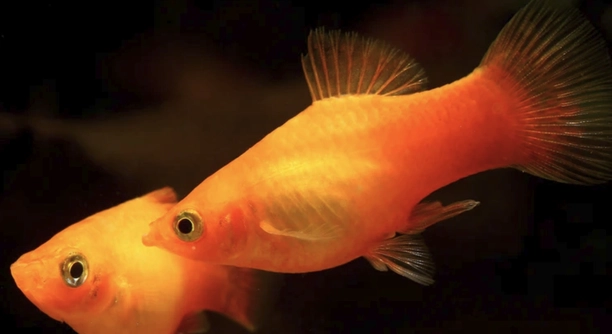
Platies are popular freshwater fish often kept in home aquariums. Their behavior and environment play a key role in their well-being. Understanding how these fish respond to changes in light is important for their care.
Platies do recognize the difference between day and night. They rely on light cues to regulate their activity cycles, feeding habits, and rest periods. This natural response helps maintain their health and normal behavior in captivity.
Knowing how platies adjust to light changes will help you create a better environment for them. This article explains how their day-night awareness influences their daily routine.
How Platies Sense Day and Night
Platies rely heavily on their environment to tell when it is day or night. Their eyes detect changes in light intensity, which signals their internal biological clock. This natural rhythm helps them know when to be active and when to rest. In a home aquarium, artificial lighting often mimics natural sunlight to support this process. Without a clear light-dark cycle, platies may become stressed or confused, which can affect their feeding and behavior. Light cues help platies maintain their health by regulating hormone levels that control sleep and activity. Keeping a consistent light schedule in their tank allows these fish to thrive. Proper lighting is essential not only for the fish but also for the plants and other organisms in the aquarium. Knowing this helps aquarists provide an environment that supports the natural habits of platies.
Platies use their eyes to detect light changes that set their internal clocks for daily activity cycles.
A stable light-dark routine encourages healthy behavior in platies. Sudden or irregular lighting can disrupt their natural cycle, leading to stress or reduced feeding. Setting timers for aquarium lights ensures consistency. This approach simulates natural conditions and helps maintain the fish’s well-being. Consistent lighting also supports better coloration and overall vitality. Being mindful of lighting schedules is a simple yet effective way to care for platies.
The Importance of a Consistent Light Schedule
Regular light schedules in the aquarium help platies stay healthy and behave naturally. When their tank lighting follows a predictable pattern, platies know when to eat, swim actively, or rest. This routine reduces stress and supports immune function, making them less prone to illness. Lighting that is too long or too short can confuse the fish and disrupt these cycles. Most experts recommend 10 to 12 hours of light daily to mimic natural conditions. Using timers to automate lighting can prevent mistakes and provide stability. Alongside light, a quiet and calm environment during their rest period is important. This balance between light and darkness promotes their natural rhythms and enhances their quality of life in captivity.
Maintaining a steady light schedule is key for platies to stay healthy and display natural behavior.
How Platies Adapt to Changing Light Conditions
Platies adjust their behavior quickly when lighting changes. Their activity levels shift based on how much light is present. This adaptability helps them survive in varying environments.
When the light fades, platies naturally slow down and become less active. Their feeding habits also change, with most eating during daylight hours. Sudden changes in lighting can cause stress, leading to erratic swimming or hiding. Gradual transitions between light and dark periods help reduce this stress. Using dimmers or timers ensures a smooth change that platies can easily follow. This adjustment supports their natural rhythms and keeps them calm.
Platies also use light changes to sync their internal clocks. In the wild, this helps them avoid predators during night hours and find food when it’s safest. In captivity, replicating these conditions improves their health and behavior. Consistent lighting encourages better growth and more vibrant colors.
Effects of Inconsistent Lighting on Platies
Irregular lighting disrupts platies’ natural cycles, causing stress and affecting their health. Without a stable light pattern, their behavior becomes unpredictable.
Inconsistent light schedules confuse platies, which may lead to poor appetite and reduced activity. Stress from irregular lighting weakens their immune systems, increasing vulnerability to diseases. Prolonged exposure to light or darkness can disrupt hormone production, affecting sleep and metabolism. This imbalance may stunt growth and cause lethargy. Aquarium owners should avoid frequently changing light times or leaving tanks in constant light. Providing a steady light-dark cycle mimics natural conditions, supporting normal behavior and overall well-being. Proper lighting care prevents many common health problems in platies.
Lighting Tips for Platy Care
Using a timer for aquarium lights ensures a consistent day-night cycle. This helps platies maintain their natural rhythm without stress.
Avoid placing the tank near windows where sunlight varies throughout the day. This prevents irregular lighting that can confuse the fish.
Best Light Duration for Platies
Most platy keepers recommend keeping aquarium lights on for about 10 to 12 hours daily. This amount of light mimics natural daylight and supports healthy behavior. Too much light can cause stress and algae growth, while too little light may affect the fish’s activity and color. A steady light schedule promotes feeding, swimming, and resting at appropriate times. Using an automatic timer is the easiest way to manage lighting consistently. Maintaining this routine improves platy health and helps keep the aquarium environment stable and balanced.
Signs of Light Stress in Platies
Light stress can make platies hide more or swim erratically. Watching for these signs helps keep their care on track.
FAQ
Do platies need complete darkness at night?
Yes, platies benefit from complete darkness during their night cycle. Darkness signals their body to rest and helps regulate their natural biological clock. Without this rest period, their stress levels may increase, which can affect their immune system and overall health. Keeping the tank lights off at night mimics their natural environment and promotes normal sleep patterns.
Can platies survive under constant light?
Constant light can be harmful to platies. It disrupts their natural day-night cycle, leading to stress and confusion. This may cause irregular behavior, loss of appetite, and weakened immune responses. Over time, constant exposure to light can stunt growth and affect reproduction. It’s best to provide a balanced light schedule that includes both daylight and nighttime darkness.
How quickly do platies adjust to changes in light schedules?
Platies usually adjust within a few days to a week when light schedules change gradually. Sudden changes can cause temporary stress, so it’s important to adjust lighting slowly if changes are necessary. Using timers that shift light timing by 15 to 30 minutes per day can help platies adapt without affecting their health.
Is natural sunlight better than artificial light for platies?
Natural sunlight can be beneficial but is often inconsistent and may cause overheating or algae growth in the tank. Artificial lights designed for aquariums provide controlled intensity and duration, creating a safer and more stable environment. Proper aquarium lighting supports platies’ natural rhythms without the risks of direct sunlight.
What type of light is best for a platy tank?
Full-spectrum LED lights are ideal for platy tanks. They offer balanced light similar to natural daylight and promote healthy fish behavior and plant growth. LEDs also produce less heat and use less energy. Avoid overly bright or colored lights that can stress platies or alter their natural patterns.
How important is it to have a timer for aquarium lights?
Timers are very important for maintaining a consistent light schedule. They automate the lighting cycle, preventing human error such as forgetting to turn lights on or off. This consistency helps platies maintain their natural behavior and reduces stress. Timers also make daily tank maintenance easier by providing a stable environment.
Can platies recognize sudden changes in lighting?
Yes, platies are sensitive to sudden light changes. Abrupt shifts in brightness can startle them, causing erratic swimming or hiding. This stress can affect their health if it happens frequently. Gradual dimming or brightening is better tolerated and helps maintain calm behavior in the tank.
Do platies behave differently during day and night?
Platies are more active during the day, feeding and swimming frequently. At night, they rest and reduce movement. This behavior aligns with their natural rhythms and is regulated by light exposure. Providing a clear day-night cycle helps support these normal activity patterns.
What happens if platies do not get enough darkness?
Lack of darkness disrupts sleep, leading to stress and a weakened immune system. Over time, platies may show signs of illness, reduced growth, and behavioral problems like aggression or lethargy. Ensuring proper darkness is key to their long-term health and well-being.
Is it necessary to simulate dusk and dawn lighting for platies?
Simulating gradual light changes during dawn and dusk can improve platies’ comfort. Soft transitions reduce stress by mimicking natural sunrise and sunset conditions. While not required, using dimmers or timers that slowly adjust lighting can create a more natural environment and promote healthier behavior.
Platies are small, lively fish that rely on clear light and dark cycles to stay healthy. Their natural rhythms depend on recognizing day and night through changes in light. When their environment provides a consistent schedule, they can follow normal patterns of activity, feeding, and rest. This balance helps them avoid stress and keeps their immune systems strong. Aquarium owners can support these natural cycles by maintaining steady lighting routines. Using timers or automatic light controls makes it easier to provide platies with the right amount of light every day.
Creating an environment that mimics natural light conditions benefits platies in many ways. They become more active during the day, showing vibrant colors and normal behaviors. At night, they slow down and rest, which is necessary for their well-being. Irregular or constant lighting can disrupt these cycles, leading to confusion and health problems. Stress caused by poor lighting may weaken platies and make them more vulnerable to illness. A stable light-dark schedule is one of the simplest and most effective steps in caring for platies properly.
Overall, lighting plays a key role in the health and happiness of platies. Paying attention to how much light they receive, when it changes, and how quickly it shifts can greatly improve their quality of life. Aquarium lighting should not be too bright or too dim and must include periods of darkness. Following these guidelines helps platies maintain their natural behaviors and supports their long-term health. With the right lighting care, these fish can thrive and bring beauty to any aquarium.

Hello,
If you enjoy the content that we create, please consider saying a "Thank You!" by leaving a tip.
Every little bit helps us continue crafting quality advice that supports the health, happiness, and well-being of pets around the world, for pets of all shapes, sizes, and species.
We really appreciate the kindness and support that you show us!