
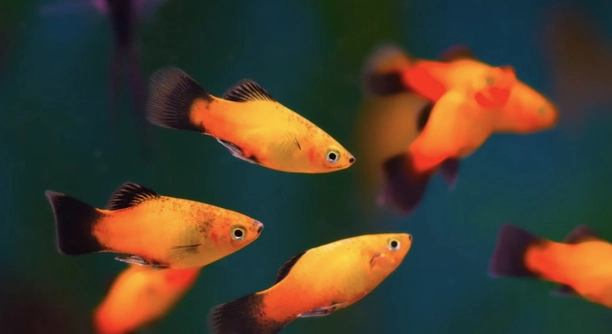
Do you ever find yourself watching your platies and wondering if there’s more to them than just bright colors and active swimming?
Platies do have personalities, shaped by factors like genetics, environment, and social interactions. Some are bolder, while others are more reserved, and these behaviors remain consistent over time, indicating individual temperament and preferences.
From tank dynamics to feeding habits, small signs can help reveal what makes each platy unique.
What Shapes a Platy’s Personality
A platy’s personality is influenced by more than just genetics. Their behavior often reflects how they are raised and the environment they live in. A peaceful tank with stable water conditions allows them to express calm and curious traits. On the other hand, platies kept in stressful or crowded tanks may show signs of shyness or aggression. Group dynamics also matter—some platies take on a leadership role, while others are content to follow. Over time, consistent interactions and daily routines help shape their habits. You might notice one always comes forward during feeding, while another hides near the plants. These little behaviors often stay the same, even if other things change. That’s why it’s possible to say platies have distinct personalities. They’re not just acting randomly; they respond based on their comfort and surroundings. Paying attention to these patterns can help you understand each fish a little better.
Platies can be curious, shy, bold, or calm depending on their environment and how much they interact with other fish.
A stable tank with room to swim and places to hide makes it easier for a platy’s personality to show. When they feel safe, they act more naturally, letting you see what makes each one special.
How to Observe and Understand Them
Noticing how your platies behave during feeding or while exploring the tank is a good way to learn about their habits.
Some platies rush to the surface the moment they see food, while others wait their turn or nibble from the bottom. These patterns aren’t just random—they reflect the comfort levels and personality traits of each fish. The more often you watch, the more you’ll notice certain fish repeat the same actions. You may see one always peeking out from a plant corner or another that prefers to swim near the filter. These behaviors stay consistent over time, which helps you tell each fish apart. Light changes in personality may happen as the fish mature or adapt to changes in their environment, but core traits usually stay the same. Gentle interactions—like placing your hand near the tank—can show which fish are curious and which are cautious. Watching these small behaviors regularly makes it easier to spot when something is off or when a fish’s habits change.
How Tank Mates Affect Behavior
Tank mates can change how your platies behave from day to day. Peaceful fish encourage calm behavior, while aggressive or fast-swimming species may stress them out or cause them to hide more often.
When platies live with calm, non-aggressive fish like guppies or mollies, they tend to be more playful and active. They swim freely, explore more, and interact with others in the tank. But if they’re kept with nippy or dominant fish, you may notice changes like hiding, skipping meals, or less movement. Stress from difficult tank mates can mask a platy’s natural personality and cause health issues over time. That’s why choosing tank mates carefully matters. Matching your platies with others who share similar temperaments helps create a peaceful space where everyone can feel at ease and act naturally. A calm tank makes it easier to spot and enjoy each platy’s unique behavior.
Some platies act as peacemakers, staying away from drama and picking quiet areas of the tank. Others may try to stand their ground, especially during feeding time. If space is tight, you might see more competition and less relaxation. Giving your platies room to swim and hide helps reduce stress and lets their true behavior shine through.
Recognizing Individual Traits
You might notice that one platy always swims near the front, while another prefers to stay tucked behind plants. These little habits say a lot.
Platies often show preferences for certain spots in the tank or specific times to be active. One may always greet you during feeding, while another waits until things quiet down. These aren’t just random actions. Over time, they form a pattern that makes it easier to tell each fish apart. Colors, fin shapes, and size help too, but behavior is usually the clearest sign. For example, a platy that explores every corner is likely curious, while one that only comes out when the lights are low may be more cautious. Keeping track of these habits helps you notice changes early, which is important for their health. Observing individual traits also builds a stronger connection and helps you understand what each fish needs to stay comfortable and active.
Why Some Platies Seem More Social
Some platies naturally spend more time swimming near others, often joining small groups or following tank mates around. These fish tend to be more active and visible, especially during feeding or when there’s movement near the tank.
Others may be more reserved, preferring to stay in quieter areas or behind decorations. These fish still interact, just at their own pace. It doesn’t always mean something is wrong—it’s just part of their individual behavior.
What to Watch For Over Time
Personality traits in platies usually remain steady, but small shifts can happen. A normally active fish that suddenly hides often might be stressed or sick. Likewise, a shy fish becoming bolder could mean it’s settling in and feeling safe. Watching these changes helps you respond early if something’s off. It also gives you a better understanding of what your fish enjoy. Do they like certain lighting? Do they respond more to hand movements? These little details add up. Over time, you learn what each fish needs to stay healthy and comfortable. Keeping notes or mental reminders of their behavior can be helpful.
Do Personalities Change?
Yes, platy personalities can shift with time, tank conditions, or age, but core traits usually stay the same.
FAQ
Can platies recognize their owners?
Platies may not recognize faces like a dog or cat, but they can learn to associate your presence with food and safety. If you approach the tank regularly at feeding time, some platies will begin swimming to the front or following your movements. This behavior shows that they’re aware of patterns and can respond to familiar routines. Over time, they may even come forward when they see you, expecting food or interaction. It’s not the same as emotional recognition, but it shows they can connect your presence with something positive and react to it in consistent ways.
Why does one of my platies chase the others?
Chasing can be caused by a few things. Sometimes it’s harmless play or part of mating behavior, especially if a male is chasing a female. Other times, it’s due to a lack of space or too many fish in the tank. A stressed or dominant fish might try to control certain areas. If the chasing causes harm, such as torn fins or constant hiding, it’s a sign the tank may need adjustments. Try adding more plants, hiding spots, or checking your tank size to reduce tension and give each fish enough space to feel secure.
Do male and female platies have different personalities?
There can be differences, but they’re not strict rules. Males are often more active and may chase females or display more frequently. Females tend to be calmer, but this isn’t always the case. Personality still depends more on the individual fish and their environment. A bold female can be just as active as a male, and a quiet male may prefer to stay out of the way. Watching how each one behaves over time gives you a better sense of their traits, regardless of gender.
Is it possible to train a platy?
You can’t train a platy like a dog, but they can learn simple things. Repetition helps them associate certain cues with food or safety. For example, tapping the tank lightly before feeding may get them to swim toward the surface. Platies can learn routines, like when feeding happens or when the lights turn on. These patterns help them feel more secure and respond in predictable ways. You’re not teaching tricks, but you’re creating habits they can follow, which adds to their daily comfort.
Why does my platy stay alone while others swim together?
Some platies prefer a bit of space. Not every fish enjoys swimming in groups all the time. A more solitary fish may just like resting or exploring on its own. As long as it’s eating, swimming normally, and showing no signs of illness, there’s usually nothing to worry about. If the behavior is new, though, it’s worth keeping an eye out for signs of stress, such as clamped fins, hiding all the time, or changes in color. Sometimes fish stay apart because they’re being chased or feel crowded, so tank dynamics may need a quick check.
Can platies get bored?
Yes, platies can get bored in plain tanks with no stimulation. Without variety, they may become less active or start picking on each other. Adding live plants, decorations, or even changing the layout now and then can make a difference. Feeding them in different spots or using slow-sinking food can also keep them more engaged. A bit of change helps them explore more and show natural behavior. Keeping things interesting makes your tank better for their mental well-being and can bring out more of their unique personalities.
Final Thoughts
Platies may be small, but they each have their own way of acting and responding to their surroundings. Some are bold and love to explore, while others are more quiet and prefer to stay in the background. These behaviors are not just random. They are shaped by things like tank conditions, social dynamics, and even past experiences. When given the right space and care, platies can show consistent traits that make them easy to tell apart. This is one of the most enjoyable parts of keeping them. You start to notice which one swims to the front first or which one hides until things calm down. Watching these little differences can help you build a stronger connection with them and keep track of their health more easily.
A peaceful tank helps your platies feel safe enough to show who they really are. That means giving them enough space, choosing calm tank mates, and keeping the water clean. Simple things like adding plants or giving them different places to explore can help bring out their natural behavior. Even feeding time becomes more interesting when you watch how each platy reacts. Some may wait patiently at the top, while others might stay low and pick at leftovers. These small habits may seem unimportant at first, but over time they become part of what makes each fish unique. Paying attention to these patterns helps you understand what they need and when something might be wrong.
In the end, having platies isn’t just about keeping a tank running. It’s about noticing the details and caring for each fish in a way that fits them best. While they may not show emotions like people or pets with fur, their actions still tell a story. When you take time to observe their routines, reactions, and preferences, you start to see that they each have a little personality of their own. This makes watching them more rewarding and adds something special to your daily routine. The better you know your platies, the easier it becomes to care for them in a way that keeps them both healthy and happy. With just a little attention and care, their true behavior has room to shine.

Hello,
If you enjoy the content that we create, please consider saying a "Thank You!" by leaving a tip.
Every little bit helps us continue crafting quality advice that supports the health, happiness, and well-being of pets around the world, for pets of all shapes, sizes, and species.
We really appreciate the kindness and support that you show us!