
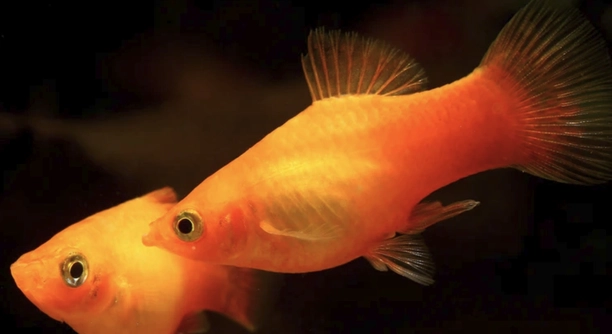
Do you ever wonder about the daily habits of your pet fish, especially platies? These small, colorful fish bring life to any aquarium. Understanding their routines can help you care for them better and create a happy environment.
Platies do have a sleep schedule, though it is not like humans’. They enter periods of rest during the night, becoming less active and hiding among plants or decorations. This natural cycle supports their health and well-being.
Learning about platies’ rest habits can improve how you care for them. Knowing when they sleep helps you create a comfortable space that fits their natural behavior.
How Do Platies Sleep?
Platies do not close their eyes like humans do when they sleep. Instead, their sleep looks more like resting periods where they slow down and reduce movement. During these times, platies usually find a safe spot in the aquarium, such as behind plants or near decorations, to stay hidden. Their fins may move slightly, but overall, their activity is minimal. This rest is important for their health because it helps them recover energy and process the day’s activities. Sleep patterns in platies follow a natural day-night cycle, so they tend to be more active during the day and rest when it gets dark. If your aquarium lights stay on all the time, it can confuse their natural rhythm and cause stress. It is best to mimic natural light cycles to help your platies maintain a healthy sleep schedule.
Platies sleep mostly during the night when the tank is dark.
Providing a quiet, dim environment at night helps platies rest better. Avoid sudden changes in light or loud noises near the aquarium, as these can disturb their sleep. A stable routine with consistent light and dark periods will support their natural behavior and improve their overall well-being.
Signs Your Platy Is Resting
You can tell when your platy is resting by observing its behavior closely. When resting, platies often stay still or move very slowly near the bottom or in hidden areas of the tank. Their colors might appear less bright as they conserve energy. Unlike active swimming during the day, resting platies won’t chase food or interact much with other fish. These quiet moments usually happen during the evening or at night.
If your platy is resting more than usual during the day or acting lethargic, it could indicate stress or illness. Changes in water quality, temperature, or tank mates might affect their comfort and rest. It’s important to keep the tank clean and stable, with proper filtration and water conditions. Feeding them a balanced diet and maintaining a calm environment also helps them stay healthy. Watching these signs will help you notice when your platy is simply resting versus when something might be wrong. Regular rest is vital for their immune system and growth.
When Do Platies Usually Sleep?
Platies tend to sleep mainly during the night when the aquarium lights are off. Their activity slows down as darkness falls, and they rest until morning light returns.
The sleep schedule of platies is closely linked to light exposure. In a natural setting, they follow the day-night cycle, becoming active at dawn and resting at dusk. Artificial lighting can affect this rhythm, so it’s best to provide about 10 to 12 hours of light each day, followed by darkness. Sudden changes in lighting can confuse them and disrupt their rest. Watching their behavior can help you understand when they are settling down to rest or waking up to swim and explore.
If platies are exposed to constant light or irregular light patterns, they may become stressed or restless. A stable light schedule helps regulate their internal clock and keeps their sleep consistent. Providing hiding spots also encourages restful sleep by giving them secure places to feel safe.
How to Create a Good Sleep Environment for Platies
A good sleep environment includes dim lighting, stable water temperature, and quiet surroundings. These conditions help platies rest well.
Keeping the aquarium light on a timer is an easy way to ensure a regular day-night cycle. The temperature should stay between 70-80°F (21-27°C) to keep platies comfortable. Sudden changes in temperature can disrupt their sleep. Minimizing noise and vibrations near the tank also supports their rest. Avoid tapping on the glass or moving the tank during their resting hours. Soft, natural decorations like plants and smooth stones create peaceful hiding spots that make platies feel secure and relaxed. These small adjustments improve their overall health and happiness by supporting their natural sleep behavior.
Can Platies Sleep During the Day?
Platies mostly rest at night, but they can take short naps during the day. These naps help them conserve energy.
Daytime naps usually happen in quiet, shaded areas of the tank. Bright light and activity can limit their daytime rest.
Do Platies Need Total Darkness to Sleep?
Platies do not require complete darkness but do need dim light to rest properly. Too much light can disturb their sleep and cause stress.
A gentle dimming of lights in the evening mimics natural sunset and encourages restful behavior. Maintaining a calm environment during this time helps platies settle down comfortably.
How Long Do Platies Sleep?
Platies usually rest for 8 to 10 hours each night, following the natural day-night cycle. This amount of rest supports their health and energy levels.
Keeping the environment stable allows them to maintain this rhythm consistently.
Do platies really sleep like humans?
No, platies do not sleep like humans do. They don’t close their eyes because fish lack eyelids. Instead, they enter a state of rest where their activity slows down, and they become less responsive to their surroundings. This resting phase is similar to sleep but looks very different from how humans rest.
How can I tell if my platy is sleeping?
A resting platy usually stays still or moves very slowly near the bottom or in hidden areas of the tank. Its colors may look a bit duller during rest. It won’t chase food or interact much with other fish during these quiet periods, especially at night.
Do platies need total darkness to sleep well?
Platies do not need complete darkness but benefit from dim lighting during their rest periods. Bright, constant light can disturb their sleep and cause stress. Using a light timer to simulate natural day and night cycles helps them rest better.
Can platies nap during the day?
Yes, platies can take short naps during the day, often in shaded or quiet spots. These naps help them save energy, but bright lights and tank activity usually limit how much they rest during daylight hours.
How long do platies sleep each day?
Platies generally rest around 8 to 10 hours daily, mainly during nighttime. This rest supports their health and energy for active daytime swimming and feeding.
Does tank lighting affect platy sleep?
Yes, lighting plays a major role in platy sleep. Proper light cycles mimic natural conditions and help regulate their internal clocks. Sudden or irregular lighting changes can confuse platies, disrupt their rest, and cause stress.
What happens if platies don’t get enough rest?
Lack of proper rest can lead to stress and weaken their immune system. Platies may become more prone to illness, show less activity, or lose appetite. Maintaining a quiet, stable environment helps prevent these problems.
Are there signs my platy isn’t resting enough?
Signs include constant restlessness, swimming frantically, or hiding excessively. If a platy seems lethargic during the day or does not respond normally, it may be stressed or sick. Check water quality, lighting, and tank conditions to improve their comfort.
Can tank mates disturb a platy’s sleep?
Yes, aggressive or overly active tank mates can disrupt platy rest. It’s important to keep compatible fish together and provide plenty of hiding places so platies can find safe spots to rest peacefully.
Does water temperature affect sleep?
Water temperature affects platy activity and rest. Ideal temperatures are between 70-80°F (21-27°C). Temperatures too low or too high can cause stress and irregular sleep patterns. Keeping water stable helps platies maintain a healthy routine.
How can I improve my platy’s sleep environment?
Use a light timer to create regular day-night cycles, keep water temperature stable, and reduce noise and vibrations near the tank. Add plants and decorations to provide hiding places that help platies feel safe while resting.
Should I change feeding times to match platy sleep?
Feeding platies during their active hours, usually daytime, is best. Avoid feeding near their rest times to prevent disturbing their sleep. A consistent feeding schedule supports their natural rhythm.
Is it normal for platies to be inactive sometimes during the day?
Yes, platies may rest briefly during the day, especially in shaded or quiet areas. This is normal and helps them conserve energy, but they should still show regular activity overall.
Do young platies sleep differently from adults?
Young platies may sleep more as they grow, needing extra rest for development. Adult platies tend to have more consistent sleep patterns aligned with the day-night cycle.
Can stress affect a platy’s sleep?
Stress from poor water quality, aggressive tank mates, or sudden changes can disrupt sleep. Reducing stressors and maintaining a calm environment helps platies rest better and stay healthy.
Are there health problems linked to poor sleep in platies?
Poor sleep can weaken platies’ immune systems, making them more susceptible to infections and illnesses. Ensuring good rest supports their overall health and longevity.
Platies are small fish that have simple but important sleep habits. They do not sleep like humans by closing their eyes, but they do enter periods of rest where they slow down and become less active. These rest times mostly happen during the night when the aquarium lights are off. Providing a natural day-night cycle with about 10 to 12 hours of light followed by darkness helps platies keep a healthy routine. This simple rhythm supports their health and well-being by allowing them to recharge and reduce stress. It is important for platy owners to understand that their fish need quiet, calm times to rest properly.
Creating a good sleep environment for platies is one of the best ways to care for them. This includes using a timer to keep lighting consistent, maintaining stable water temperature between 70 and 80 degrees Fahrenheit, and reducing noise around the aquarium. Platies feel safer when they have places to hide like plants or decorations, so adding these can help them relax during rest times. Avoid sudden changes in lighting or water conditions, as these can disturb their sleep and cause stress. By paying attention to their environment and behavior, you can ensure your platies stay healthy and comfortable.
Watching your platies’ sleep habits can help you notice when something might be wrong. If they seem restless, inactive during the day, or lose appetite, it may mean their rest is disturbed or they are stressed. Keeping the tank clean, feeding on a regular schedule during active hours, and providing peaceful conditions will improve their sleep and overall health. Understanding that platies need proper rest shows how much their care depends on more than just feeding and cleaning. Good sleep routines are a key part of keeping these colorful fish happy and thriving in your aquarium.

Hello,
If you enjoy the content that we create, please consider saying a "Thank You!" by leaving a tip.
Every little bit helps us continue crafting quality advice that supports the health, happiness, and well-being of pets around the world, for pets of all shapes, sizes, and species.
We really appreciate the kindness and support that you show us!