
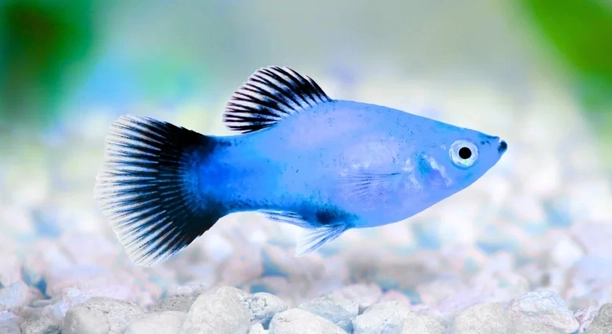
Do you ever notice how platies swim eagerly around feeding time? These small, colorful fish bring life to any aquarium and often catch the attention of their owners with their lively behavior. Feeding routines can affect their activity and happiness.
Platies do not have a strict favorite feeding time but tend to adapt to consistent schedules set by their owners. Regular feeding helps maintain their health and encourages predictable activity patterns, which benefits both the fish and their caretakers.
Knowing how platies respond to feeding times can improve your care routine. Understanding their habits ensures they remain healthy and active in your aquarium environment.
How Feeding Times Affect Platies’ Behavior
Platies are adaptable fish that quickly learn the timing of their meals. When fed regularly at the same time each day, they become more active and alert just before feeding. This routine helps reduce stress because the fish know when to expect food. Feeding them sporadically or at different times can cause confusion or anxiety. It may also lead to overeating if they feel unsure about when the next meal will come. Maintaining a consistent feeding schedule encourages healthy behavior and promotes better digestion. It also helps you monitor their health, as changes in appetite or activity often signal illness or stress. Overall, a steady routine benefits both the fish and the owner.
Regular feeding times improve platies’ daily rhythms and help keep them healthy.
Platies often gather near the surface or around feeding spots as meal time approaches. This behavior is a sign they recognize the routine and anticipate food. Consistent feeding also prevents food waste, which can harm water quality. By feeding your platies at set times, you create a predictable environment that supports their well-being and keeps your aquarium cleaner.
Best Practices for Feeding Platies
Feeding platies small amounts two to three times daily works well for their metabolism and digestion.
It’s important to offer appropriate portions to avoid leftover food, which can pollute the water and cause health problems. Overfeeding can lead to obesity and poor water conditions, so feeding just what they can consume within a few minutes is ideal. A varied diet of flakes, pellets, and occasional live or frozen foods provides balanced nutrition. Observing how much your platies eat at each feeding helps adjust portions as needed. Regular cleaning of the tank and removing uneaten food maintains a safe environment. Following these simple feeding habits supports platies’ growth and longevity while keeping their tank environment stable and healthy.
Recognizing Signs of Hunger in Platies
Platies show clear signs when they are hungry, often swimming actively near the surface or the feeding area.
They become more alert and may swim quickly when food is nearby, sometimes gathering together in anticipation. A sudden increase in activity, like darting around the tank or nudging objects, often means they are ready to eat. However, not all movements indicate hunger; sometimes they explore their environment out of curiosity or social behavior. Watching these cues closely helps in adjusting feeding times and amounts, ensuring they remain healthy without overeating.
Ignoring these signs can lead to stress or health issues. Consistent feeding based on observed behavior promotes a balanced diet and reduces anxiety. By responding to their natural hunger signals, you create a stable routine that benefits your platies’ well-being and prevents problems caused by irregular feeding patterns.
Impact of Feeding Time on Tank Environment
Feeding times affect not only platies but the overall tank health and water quality.
Regular feeding reduces leftover food, which can decay and cause harmful spikes in ammonia and nitrites. Overfeeding or feeding at irregular times often results in uneaten food, which breaks down and clouds the water. Consistent feeding schedules help maintain stable water parameters by allowing better control of waste levels. This is crucial because poor water quality stresses fish and can lead to illness. Proper feeding habits, combined with regular water changes and tank maintenance, keep the aquarium environment balanced, supporting healthy fish and plants alike. Proper timing also allows beneficial bacteria in the filter to process waste efficiently, promoting a cleaner habitat for your platies.
Feeding Frequency Recommendations
Platies do best with two to three small feedings per day. This schedule fits their natural eating habits and helps prevent overfeeding.
Spacing meals evenly supports healthy digestion and keeps them active. Too few feedings can cause overeating when food is offered.
Choosing the Right Food for Platies
A balanced diet includes high-quality flakes or pellets designed for tropical fish. Adding live or frozen foods, like brine shrimp or daphnia, provides extra protein and variety. Vegetables such as blanched spinach or zucchini can also be offered occasionally. Feeding a mix of these foods supports overall health and vibrant colors.
Adjusting Feeding in Different Seasons
Platies may eat less in cooler months when their metabolism slows. Reducing portion sizes during this time helps avoid overfeeding.
FAQ
How often should I feed my platies each day?
Feeding platies two to three times a day works best. Small, frequent meals match their natural eating patterns and help avoid overfeeding. Giving them food in manageable amounts ensures they consume it all, keeping the tank clean and the fish healthy.
What types of food do platies prefer?
Platies enjoy a mix of high-quality flakes or pellets made for tropical fish. Supplementing with live or frozen foods like brine shrimp or daphnia adds protein and variety. Occasionally offering vegetables, such as blanched spinach or zucchini, supports their nutritional needs and helps maintain vibrant colors.
Can I feed my platies once a day?
Feeding only once a day is possible but not ideal. Platies are small fish with fast metabolisms, so they benefit from smaller, more frequent meals. One large feeding can lead to overeating or food waste, which affects water quality and fish health.
What happens if I overfeed my platies?
Overfeeding can cause leftover food to rot in the tank, leading to poor water quality and increased ammonia levels. This stresses the fish and can cause health problems like fin rot or swim bladder issues. It also encourages obesity and digestive troubles in platies.
Is it important to feed platies at the same time every day?
Yes, a regular feeding schedule helps platies establish a routine. Consistent timing reduces stress and encourages predictable behavior. They learn when to expect food, which makes them more active and less anxious.
What signs show that my platies are hungry?
Hungry platies often swim near the surface or around feeding spots, showing increased activity and alertness. They may dart quickly or nudge objects, signaling they want food. Paying attention to these behaviors helps adjust feeding amounts and timing.
Should I skip feeding if my platies don’t eat much?
It’s okay to skip or reduce feeding if your platies show little interest in food, especially during cooler months when their metabolism slows. However, consistently poor appetite could indicate illness and should be monitored closely.
Can feeding time affect the tank’s water quality?
Yes, feeding time directly influences water quality. Regular, controlled feedings minimize leftover food, which prevents decay and harmful spikes in ammonia. Irregular or excessive feeding can pollute the water and harm fish health.
Are live foods necessary for platies?
Live foods aren’t necessary but are a great addition to their diet. They provide extra protein and help stimulate natural hunting behavior. Using live or frozen foods occasionally supports a balanced diet and keeps platies healthy.
How do I know if I’m feeding too much?
If food remains uneaten after a few minutes, you’re likely feeding too much. Excess food can cloud the water and cause poor tank conditions. Adjust portion sizes so your platies finish their meals quickly without leftovers.
Can platies eat the same food every day?
Feeding the same food daily can lead to nutritional gaps. Offering a varied diet with flakes, pellets, live or frozen foods, and vegetables ensures they get balanced nutrition and maintain good health.
What is the best way to introduce new food to platies?
Introduce new foods gradually by mixing them with their usual diet. This helps platies adjust without digestive upset. Observe their reaction and adjust portions to avoid waste.
Does feeding time affect platies’ growth?
Consistent feeding schedules and balanced nutrition support steady growth. Irregular feeding or poor diet can stunt development and cause health problems over time.
Can I feed my platies after dark?
Feeding platies after dark is possible but less natural. They are most active during daylight and may not eat well in low light. Feeding during their active hours encourages better food intake and reduces waste.
How do I handle feeding if I’m away from home?
Automatic feeders can provide regular meals when you’re away. Ensure the feeder dispenses appropriate amounts to prevent overfeeding. Alternatively, ask someone to feed your platies following your regular schedule.
Can platies survive fasting for a day or two?
Platies can tolerate fasting for short periods, such as one or two days, without harm. Fasting occasionally can even benefit digestion, but avoid extended periods without food to maintain their health.
Final thoughts about feeding platies focus on the importance of routine and balance. Platies do not have a fixed favorite feeding time, but they thrive when their feeding schedule is consistent. Feeding them small amounts two to three times daily helps maintain their health and keeps them active. A steady routine reduces stress for the fish and creates a more predictable environment in the aquarium. This makes it easier to monitor their behavior and catch any signs of illness early. Consistency in feeding is a simple way to promote the well-being of your platies.
Choosing the right type of food is equally important. A balanced diet for platies should include high-quality flakes or pellets, along with occasional live or frozen foods like brine shrimp or daphnia. Including vegetables such as blanched spinach or zucchini offers additional nutrients and variety. Feeding the same food every day may not provide all the nutrients your platies need. Mixing different types of food helps keep them healthy and supports vibrant colors. It also makes feeding time more interesting for the fish, encouraging natural behaviors and good appetite.
Maintaining good water quality ties closely to feeding practices. Overfeeding or feeding at irregular times can lead to leftover food that pollutes the water and harms fish health. Feeding small portions that platies can finish quickly helps prevent this problem. Regular cleaning and water changes are essential to keep the tank environment safe and stable. When feeding routines are balanced with proper tank care, platies live longer and stay more energetic. Taking time to understand their feeding needs and habits will improve the health of your aquarium and the happiness of your fish.

Hello,
If you enjoy the content that we create, please consider saying a "Thank You!" by leaving a tip.
Every little bit helps us continue crafting quality advice that supports the health, happiness, and well-being of pets around the world, for pets of all shapes, sizes, and species.
We really appreciate the kindness and support that you show us!