
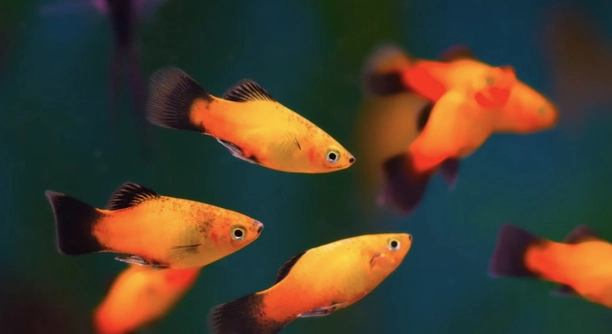
Do you ever notice how your platies react during their regular tank cleanings? Many fish owners follow routine maintenance to keep their aquatic pets healthy and happy. Understanding how platies respond to this can improve their care.
Platies can become accustomed to routine maintenance over time. They adapt to the regular presence and actions of their owners, which reduces stress during cleaning and feeding. Consistent care helps platies feel secure in their environment.
Learning how platies adjust to maintenance helps create a calmer tank environment for both fish and owners alike.
How Platies React to Regular Tank Cleaning
Platies are sensitive to changes in their environment, but they can get used to regular tank cleaning when it’s done consistently and calmly. When you clean the tank at the same time and in the same way, platies begin to recognize the routine. This recognition helps lower their stress levels because they learn what to expect. Sudden or irregular cleaning can scare them, making them hide or act restless. It’s important to move slowly and avoid disturbing the water too much, as strong currents can upset the fish. Using gentle methods also helps maintain the beneficial bacteria in the tank, which supports platies’ health. Over time, platies will swim more confidently during maintenance and even return quickly once the cleaning is over. This adjustment shows their ability to adapt to the care patterns you create, making routine maintenance less stressful for everyone involved.
Regular and gentle cleaning reduces stress for platies and helps keep their tank healthy.
Consistency in tank maintenance is key to building trust with your platies. By sticking to a schedule, they feel more secure and less threatened. Watching how they respond during cleaning shows their comfort level. Some platies may even come closer to observe, signaling they are at ease. Keeping the environment stable with regular water changes, filter cleaning, and gravel vacuuming supports their overall wellbeing. It’s also essential to avoid overcleaning, which can remove helpful bacteria and cause water quality problems. Balancing cleanliness with stability ensures your platies stay healthy and calm during maintenance.
Signs Your Platies Are Comfortable With Maintenance
Platies that feel safe during tank care show certain behaviors. They swim calmly near the surface or around the tank instead of hiding. They respond less nervously to your movements and water changes. You might notice them following the net or decorations without darting away.
Recognizing these signs helps you know when your platies have adjusted well. When fish are comfortable, maintenance becomes easier and less stressful for both of you. This understanding improves the overall care experience and encourages a healthy environment for your platies to thrive in.
Building Routine That Platies Recognize
Consistency helps platies recognize maintenance as part of their environment. They learn when to expect changes, reducing fear and stress. Keeping a steady schedule is important.
Platies are creatures of habit. When you clean the tank regularly, they begin to associate the sounds, movements, and timing with something normal. This familiarity makes them less likely to hide or swim nervously. For example, doing water changes every week at the same time helps them adjust. If the routine is unpredictable, platies may stay hidden or act skittish. Regularity builds a sense of safety, which improves their overall behavior and health during maintenance.
Using the same cleaning tools and gentle water flow also helps platies get used to the process. Avoid sudden movements or loud noises, as these can cause stress. Over time, your platies may even swim closer to observe calmly. These small habits contribute to a smooth routine that benefits both the fish and the caretaker.
The Role of Environment in Routine Adjustment
A stable and well-maintained tank environment supports platies’ comfort during maintenance. Clean water, proper temperature, and hiding spots all contribute to their ease.
When the tank environment stays balanced, platies feel secure. Consistent water quality and temperature reduce sudden changes that can cause stress. Providing plants or decorations where they can retreat helps them feel safe during cleaning. These hiding spots are essential because platies need places to escape if they feel threatened. During routine care, they can use these areas to calm down until things settle. Ensuring a good environment makes it easier for platies to accept and get used to regular maintenance without becoming anxious or stressed.
Signs of Stress During Maintenance
Platies show stress by hiding more than usual or swimming erratically during cleaning. They may also gasp at the surface or refuse to eat afterward.
Recognizing these signs early helps prevent long-term health problems. Stress can weaken their immune system, making them more vulnerable to disease. Adjusting your routine to be gentler can reduce their anxiety and improve their comfort.
How to Minimize Stress in Platies
Using slow, calm movements during maintenance is key. Avoid sudden splashes or loud noises. Keep water changes small and regular to maintain water quality without shocking the fish. Providing plenty of hiding spots helps them feel secure during the process.
Preparing Platies Before Maintenance
Briefly turning off bright tank lights before cleaning can help platies feel less exposed. This small step calms them and reduces panic during maintenance.
FAQ
Do platies recognize their owners during maintenance?
Platies can recognize their owners to some extent, mainly through visual cues and movement patterns. They become familiar with the person who regularly cares for them, which helps reduce fear during maintenance. Over time, platies may even swim closer when they see you, expecting feeding or tank care.
How often should I clean my platy’s tank?
Cleaning should be done regularly but not too frequently. A good routine is weekly partial water changes of about 20-30%. This keeps water quality high without disturbing the beneficial bacteria too much. Overcleaning can cause stress and harm to platies by removing helpful bacteria.
Can platies get stressed by sudden changes in their tank?
Yes, sudden changes such as big water temperature shifts, drastic cleaning, or rearranging decorations can stress platies. Stress affects their immune system and behavior. Keeping changes gradual and consistent helps platies stay calm and healthy.
What are the best hiding spots for platies during maintenance?
Platies prefer live plants, dense decorations, or caves as hiding spots. These areas help them feel secure when the tank is disturbed. Providing enough hiding places reduces their anxiety and prevents them from hiding too much or becoming overly stressed.
Is it necessary to remove platies during tank cleaning?
It’s usually not necessary to remove platies for routine maintenance. Gentle cleaning and partial water changes can be done while they stay in the tank. Removing fish can cause extra stress and risk injury, so it’s better to clean carefully around them unless a full tank transfer is required.
How can I tell if my platies are comfortable with maintenance?
Comfortable platies swim calmly, come out of hiding, and show normal feeding behavior after cleaning. If they seem relaxed and curious, they have likely adapted well to the routine. Persistent hiding, erratic swimming, or refusal to eat may signal stress.
What should I do if my platies seem stressed after cleaning?
If platies appear stressed, check water parameters immediately to rule out poor water quality. Reduce the frequency or intensity of cleaning for a while, and ensure the tank temperature is stable. Adding more hiding spots and keeping lighting low during maintenance can also help.
Can platies adapt to new maintenance routines?
Yes, platies can adapt if the new routine is consistent. Changing the schedule suddenly may cause initial stress, but with time and patience, they adjust. Gradually introducing changes and keeping the environment stable supports their adaptation.
Do platies react to the sound or vibration during maintenance?
Platies are sensitive to loud noises and vibrations. Rapid movements of equipment or tapping on the tank can cause stress. Using quieter equipment and handling the tank gently helps minimize negative reactions.
How important is water quality for platies during maintenance?
Water quality is critical for platies’ health. Regular partial water changes prevent toxin buildup and maintain oxygen levels. Keeping the tank clean without disturbing beneficial bacteria supports their immune system and reduces stress during maintenance.
Should I feed platies before or after maintenance?
It’s better to feed platies after maintenance. Feeding before cleaning may cause leftover food to pollute the water. After cleaning, platies are often more relaxed and ready to eat, helping them recover from any mild stress.
What temperature should I keep the tank during maintenance?
Maintaining a stable temperature around 72–78°F (22–26°C) is ideal. Sudden temperature drops or rises during cleaning can shock platies. Using a reliable heater and thermometer helps keep the water steady throughout maintenance.
Routine maintenance is essential for keeping platies healthy and their tank environment safe. Regular care, such as partial water changes, filter cleaning, and removing debris, helps maintain good water quality. This prevents harmful substances from building up, which can affect the fish’s health. When maintenance is done consistently and gently, platies are more likely to get used to the process. Over time, they recognize the routine and feel less stressed when you work on their tank. This makes caring for them easier and more enjoyable for both the fish and the owner.
It is important to pay attention to how platies react during maintenance. Signs like hiding, frantic swimming, or gasping at the surface can show stress. If these behaviors appear, it’s a good idea to slow down and make the routine gentler. Small changes, like reducing water movement, turning off bright lights, or providing extra hiding spots, can make a big difference. Keeping the tank environment stable and comfortable helps platies adapt better. The goal is to create a calm atmosphere where the fish feel safe even when their tank is being cleaned.
Remember that patience is key when helping platies adjust to maintenance. They may take some time to fully get used to regular care, but consistent efforts will pay off. Watching their behavior closely and responding with care ensures they stay healthy and comfortable. Good tank maintenance habits support platies’ well-being and encourage a peaceful home for them to thrive. With steady routines and attention to their needs, you can enjoy a happy, healthy tank full of active, stress-free platies.

Hello,
If you enjoy the content that we create, please consider saying a "Thank You!" by leaving a tip.
Every little bit helps us continue crafting quality advice that supports the health, happiness, and well-being of pets around the world, for pets of all shapes, sizes, and species.
We really appreciate the kindness and support that you show us!