
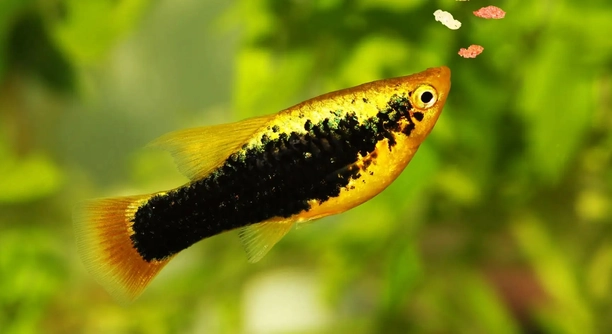
Do you enjoy keeping platies in your aquarium and wonder how they interact with one another? Many fish owners notice their platies swimming together and want to understand if these colorful fish form bonds. Learning about their social behavior can help improve their care.
Platies do show signs of social interaction and can form loose friendships within their groups. They often swim close, explore together, and recognize familiar individuals, which indicates a level of social bonding important for their well-being.
Knowing more about how platies interact helps create a healthier and more harmonious tank environment for your fish.
How Platies Communicate with Each Other
Platies use body language and movements to communicate within their groups. They often swim side by side or follow one another, showing that they notice who is around them. When they feel safe and comfortable, platies will also display gentle chasing or nudging, which helps establish social connections. These behaviors are not aggressive but rather ways to interact and maintain group cohesion. In stressful situations, such as when a predator is nearby, platies tend to gather closely, which shows they rely on each other for a sense of security. Understanding these subtle signs can help you spot how your platies are getting along and if any adjustments in their environment might be needed.
Their communication is mostly visual and physical, relying on movement patterns to express themselves clearly.
Recognizing these interactions helps tank owners monitor platies’ health and comfort. When platies engage in normal social behaviors, it is a good sign they are content and well cared for. Creating a safe, enriched environment with plants and hiding spots encourages positive communication and reduces stress.
The Benefits of Social Behavior in Platies
Social behavior in platies encourages natural activity and reduces stress levels. When platies swim in groups and interact, they exercise more and stay mentally stimulated. This can lead to better health and longer lifespans. Fish kept alone often appear less active and may hide more, showing signs of boredom or anxiety. Having companions nearby provides reassurance and keeps platies alert to changes in their surroundings. These social connections can also influence feeding habits, helping platies stay motivated to eat regularly.
Platies feel more secure in groups, which improves their overall well-being.
When platies form loose groups, they can explore their environment more confidently. This natural behavior also helps maintain a peaceful tank since social fish are less likely to be aggressive. A community of platies can create a balanced aquarium dynamic, making care easier for owners. Adding tank mates that are peaceful and compatible further supports this calm environment. Providing enough space and resources, such as food and hiding spots, prevents competition and promotes harmony. Observing these behaviors gives insight into their needs, making it easier to keep platies happy and thriving.
Signs That Platies Are Comfortable Together
Platies that feel comfortable often swim close without signs of stress. They explore the tank together and rest near each other. Calm and gentle behavior is a clear sign of comfort and peaceful interaction.
When platies swim calmly side by side or rest near plants and decorations, it shows they trust their surroundings and tank mates. They avoid chasing aggressively or hiding for long periods, which means they feel safe. Sometimes, platies gently nudge or circle one another, signaling familiarity and ease. These subtle signs show that the fish are comfortable enough to interact without feeling threatened.
Comfortable platies will also feed together without competition or fuss. They respond calmly to changes in the tank, such as lights turning on or new decorations, showing their secure social structure. Observing these behaviors helps ensure your platies are living happily and healthily.
How to Encourage Positive Interaction Among Platies
Providing enough space and hiding spots reduces stress and encourages platies to interact positively. Overcrowding can cause aggression, so a roomy tank is important. Plants and decorations create safe areas for rest and exploration.
Proper tank setup helps platies feel secure and supports their social behavior. Including live plants or artificial decorations gives fish places to hide when needed. This reduces competition and lets shy platies come out when ready. Keeping water clean and stable in temperature also promotes calm interactions. Feeding small amounts regularly prevents food fights and encourages peaceful sharing. Avoiding aggressive tank mates allows platies to focus on their group rather than defending territory. Paying attention to these factors helps create a balanced environment where platies can thrive together.
Group Size and Social Dynamics
Platies are social fish that do best in small groups. A group of at least three to five helps them feel secure and reduces stress.
Too few platies may lead to loneliness, while too many can cause overcrowding. Maintaining a balanced group size supports healthy social behavior.
How to Spot Stress in Platies
Signs of stress include hiding, rapid gill movement, and loss of color. These behaviors show discomfort or poor tank conditions.
Stress can affect platies’ health and social interactions. Watching for these signs helps catch problems early and improve their environment.
Tank Setup for Social Platies
A well-planted tank with plenty of hiding spots encourages platies to interact calmly and feel safe.
Providing stable water conditions and good filtration reduces stress and supports their social behavior.
FAQ
Do platies need companions to be happy?
Platies are naturally social fish that feel more secure in groups. While they can survive alone, keeping them with at least two or three tank mates helps reduce stress and encourages natural behaviors like swimming together and exploring. A small group also prevents loneliness and boredom, making their environment more stimulating and comfortable.
Can platies form strong bonds with other fish species?
Platies mostly bond with their own kind, but they can coexist peacefully with other peaceful fish that share similar water conditions. They usually do not form strong attachments to other species, but they appreciate a calm community where aggression is low. Compatibility and tank size are important to ensure peaceful interactions.
How can I tell if my platies are stressed?
Stress signs include hiding often, rapid breathing, faded colors, or lack of appetite. Aggression or constant chasing may also indicate stress. These signs often result from poor water quality, overcrowding, or incompatible tank mates. Monitoring their behavior daily can help spot problems early.
What tank size is best for a group of platies?
A tank of at least 20 gallons is recommended for a small group of platies. This size allows enough space for swimming, exploration, and territory establishment. Larger tanks reduce aggression and stress by giving fish room to spread out and avoid conflicts.
Do platies communicate through sounds or just movement?
Platies primarily use visual signals and body movements to communicate. They do not produce sounds that are noticeable to humans. Observing their swimming patterns, fin displays, and gentle nudging can reveal how they interact socially.
Is it necessary to provide hiding places for platies?
Yes, hiding spots made with plants, rocks, or decorations are essential. These areas give platies refuge when they feel threatened or need rest. Hiding places reduce stress and support a peaceful community by allowing shy fish to avoid more dominant ones.
How often should I feed platies to support social behavior?
Feeding small amounts two to three times a day works well. This schedule keeps platies active and reduces competition for food, which can cause stress. Offering a balanced diet with flakes, pellets, and occasional live or frozen foods ensures they get the nutrients needed for healthy behavior.
Can platies show aggression toward each other?
Platies are generally peaceful but may show mild chasing or territorial behavior, especially males. Aggression is usually low-level and short-lived. Overcrowding or lack of space can increase aggressive behaviors, so proper tank size and group balance are important.
Do platies recognize individual tank mates?
Platies can distinguish familiar fish from strangers within their group. This recognition helps them maintain stable social structures and reduces unnecessary aggression. Over time, they tend to swim more with familiar companions.
What water conditions best support platies’ social nature?
Stable temperature between 70-78°F, pH around 7.0 to 8.2, and clean, well-filtered water promote health and calm social behavior. Regular water changes prevent stress from poor water quality, helping platies interact naturally and happily.
Platies are social fish that enjoy being around others of their kind. They show signs of interacting through swimming together, gentle chasing, and recognizing familiar tank mates. These behaviors are important because they help platies feel safe and less stressed in their environment. When platies are comfortable with each other, they tend to be more active and healthier. This makes watching them in the tank more enjoyable and shows that their basic needs are being met. Keeping platies in small groups helps them stay calm and happy, which is key to their well-being.
Creating a good home for platies involves giving them enough space and hiding places. A tank with plants, decorations, and clean water helps reduce stress and supports their social behavior. Overcrowding or a lack of hiding spots can make platies anxious and lead to aggressive behavior. Feeding them regularly with the right food also encourages positive interactions. When these needs are met, platies develop a peaceful community where they swim freely and explore together. Paying attention to how your platies act daily can help you notice if something is wrong and fix it early, improving their overall health.
Understanding how platies form social connections helps owners provide better care. It also shows that these fish are more than just pretty colors swimming in a tank—they have natural behaviors and needs that are important to respect. When platies have a good environment and companions, they thrive. This makes keeping platies a rewarding experience, as their social nature can brighten any aquarium. By focusing on their social habits, tank conditions, and proper care, you can enjoy healthy, active platies for a long time.

Hello,
If you enjoy the content that we create, please consider saying a "Thank You!" by leaving a tip.
Every little bit helps us continue crafting quality advice that supports the health, happiness, and well-being of pets around the world, for pets of all shapes, sizes, and species.
We really appreciate the kindness and support that you show us!