
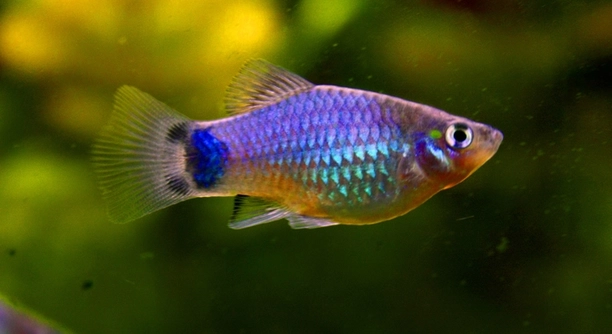
Platies are popular freshwater fish often kept in home aquariums. Many fishkeepers wonder if these colorful fish show any care toward their young, known as fry. Understanding their behavior can help in creating a better environment for them.
Platies do not actively take care of their fry after birth. They are livebearers, meaning the young are born fully formed and independent. Adult platies typically ignore or may even eat their fry, showing no parental care.
Knowing this behavior is important for those who want to raise healthy fry successfully and manage their aquarium more effectively.
Why Platies Don’t Care for Their Fry
Platies are livebearers, which means they give birth to fully developed young rather than laying eggs. This biological trait influences their behavior toward their offspring. After the fry are born, adult platies usually do not show any parental care. In fact, they may view the tiny fry as food. This natural instinct is common in many livebearing fish species, where the survival strategy is based on producing many offspring rather than protecting a few. For hobbyists, this means separating the fry from adults is often necessary if you want the young to survive and grow. Providing hiding spaces like plants or breeding boxes can help increase fry survival rates. Understanding this aspect of platy behavior helps in managing a healthy aquarium ecosystem.
Adult platies do not nurture or protect their fry, often posing a threat to the young immediately after birth.
Many aquarists create separate areas or use breeding nets to ensure fry are safe. This practice is essential to improve survival rates and avoid accidental predation.
How to Successfully Raise Platy Fry
Separating the fry from adult fish is the first step to raising them successfully. Once born, platy fry are small and vulnerable, needing a safe environment to grow without threats from adults or other fish in the tank. A breeding box or a dedicated fry tank can be used for this purpose. The water quality should be kept stable with regular maintenance, as fry are sensitive to changes. Feeding them appropriately sized food, such as finely crushed flakes or specially designed fry food, supports healthy growth. Plants in the tank provide natural shelter, which reduces stress. Watching the fry grow can be rewarding, but it requires patience and careful attention to their needs.
Platy fry thrive best when protected from adult fish and provided with proper nutrition and stable conditions.
Separating fry in a dedicated space reduces the risk of predation and allows for focused care, promoting healthier development.
Feeding fry small, frequent meals helps support their growth during these delicate early stages. Keeping water clean and well-filtered prevents health issues. Plants or artificial hiding spots create a safer environment, helping fry feel secure. Maintaining stable temperature and water parameters is important for their survival. The process requires patience but results in stronger, healthier fish ready to join the main tank once grown.
Common Challenges When Raising Platy Fry
One major challenge is preventing adult platies from eating the fry. Fry are very small and can easily become a quick meal. Another issue is maintaining proper water quality, as fry are sensitive to poor conditions. Overfeeding can also cause water pollution, affecting their health.
Keeping fry safe means using breeding boxes or separate tanks. Regular water changes and careful feeding routines help maintain water quality. It’s important to feed small amounts several times a day. If the water becomes cloudy or foul-smelling, it’s a sign to act quickly to prevent illness. Consistent monitoring is key to avoid sudden problems.
Another challenge is ensuring the fry get enough food but not too much. Uneaten food decomposes quickly and pollutes the water, which can lead to health issues or death. Finding the right feeding balance is essential. It may take some trial and error, but sticking to a routine helps create a stable environment for the fry to thrive.
Feeding Tips for Platy Fry
Feeding fry the right food is critical for their growth. They need tiny, nutritious meals multiple times a day. Crushing flakes or using specialized fry food works best.
Start with finely ground food, so the fry can easily eat it. Gradually introduce small live foods like baby brine shrimp or microworms, which provide extra protein. Avoid overfeeding, as leftover food pollutes the water. Small, frequent meals are better than large, infrequent ones. Monitor how much the fry eat and adjust accordingly.
A balanced diet helps fry develop strong immune systems and vibrant colors. Proper feeding supports their growth stages and increases survival chances. Providing a variety of foods mimics natural feeding habits and improves nutrition. Taking time to observe their eating habits will help adjust feeding schedules effectively.
Ideal Tank Setup for Platy Fry
A tank with plenty of hiding places helps fry feel secure and avoid adult fish. Live plants or artificial decorations work well.
Stable water temperature around 75–78°F is important. Avoid sudden changes to prevent stress.
Water Quality Maintenance
Regular water changes are essential to keep the water clean and safe. Removing about 20% of the water weekly helps maintain good conditions. Use a gentle filter to avoid harming the fry. Monitoring ammonia and nitrite levels ensures the environment stays healthy for young fish.
When to Move Fry to the Main Tank
Once fry grow to about one inch, they can usually join the main tank safely. At this size, they are less likely to be eaten by adults. Moving them too early increases risk, so patience is key.
Signs of Healthy Fry
Healthy fry are active, eating well, and growing steadily. Bright colors and clear eyes also indicate good health.
FAQ
Do platies eat their fry?
Yes, adult platies often eat their fry if they have the chance. This behavior is common because fry are small and easy targets. Platies do not recognize their young as family and see them as potential food. Keeping fry separated helps prevent this.
How long does it take for platy fry to grow?
Platy fry grow quickly under good conditions, usually reaching one inch in 6 to 8 weeks. Their growth depends on proper feeding, water quality, and temperature. Consistent care will support faster, healthier development.
Can I keep fry with adult platies?
It’s not recommended to keep fry with adults unless there are plenty of hiding places. Even then, many fry may be eaten. Using a breeding box or a separate tank is the safest option for raising fry.
What is the best food for platy fry?
Finely crushed flakes and specially made fry food are ideal. Small live foods like baby brine shrimp or microworms provide additional nutrition and help growth. Frequent, small feedings are better than large meals.
How often should I feed platy fry?
Feed platy fry three to four times daily with small portions. Overfeeding causes water pollution, which can harm fry. Watch them eat and adjust the amount to prevent leftover food.
How do I know if my fry are healthy?
Healthy fry are active swimmers, have clear eyes, and show steady growth. Their colors should brighten over time. Lethargy, cloudy eyes, or failure to grow may indicate illness or poor conditions.
Should I use a filter in the fry tank?
Yes, but use a gentle filter like a sponge filter that won’t suck in or harm the fry. Proper filtration keeps water clean and oxygenated, which is vital for fry survival.
How often should I change water in the fry tank?
Change about 20% of the water weekly. Regular water changes help maintain stable water parameters and remove toxins that can build up quickly in small tanks.
What water temperature is best for platy fry?
Maintain a stable temperature between 75°F and 78°F. Sudden temperature changes stress fry and may cause illness. Using a heater helps keep the environment steady.
Can platy fry survive without live plants?
Yes, but live plants provide shelter and improve water quality, which benefits fry. Artificial plants or decorations can also be used if live plants aren’t available.
When can fry be introduced to a community tank?
Introduce fry to a community tank when they reach at least one inch in length. At this size, they are more capable of avoiding predators and surviving alongside other fish.
What are common health problems for platy fry?
Common issues include fungal infections, fin rot, and swim bladder problems. These often result from poor water quality or overfeeding. Maintaining clean water and proper feeding schedules reduces risks.
Is it necessary to use a breeding box?
Using a breeding box is highly recommended, especially for beginners. It keeps fry safe from adults and makes monitoring easier. It also simplifies feeding and cleaning.
How long do platies live?
Platies generally live 2 to 3 years with good care. Proper tank conditions, diet, and protection during their early stages improve their lifespan.
Can I breed platies without separating the fry?
It’s possible but difficult. Many fry will be lost to predation unless the tank has dense plants or hiding spots. Separating fry improves survival rates significantly.
Platies are popular and easy-to-care-for fish, making them a favorite among many aquarium keepers. When it comes to their fry, it is important to understand that adult platies do not provide parental care. This natural behavior means that without intervention, many fry may not survive in a community tank with adults. By learning about their tendencies and needs, you can create a better environment that supports the growth and health of the young fish. Separating fry from adults soon after birth is a practical step that helps improve their chances of survival.
Raising platy fry successfully involves attention to tank setup, water quality, and feeding routines. A tank with plenty of hiding places, stable temperature, and gentle filtration creates a safe space for fry to grow. Feeding the fry with appropriately sized food in small, frequent portions ensures they get enough nutrients without polluting the water. Regular water changes are also necessary to keep the environment clean and healthy. These care practices may require patience and consistency, but they are essential for supporting the fry through their vulnerable early stages.
With proper care and understanding of their behavior, platy fry can grow into healthy, vibrant adult fish. Taking the time to protect and nurture them during their first weeks makes a significant difference in their development and survival. Whether you are new to keeping platies or have some experience, knowing that these fish do not take care of their fry naturally helps set the right expectations. By following basic guidelines and offering the right conditions, you can enjoy watching your platies thrive and multiply in your aquarium.

Hello,
If you enjoy the content that we create, please consider saying a "Thank You!" by leaving a tip.
Every little bit helps us continue crafting quality advice that supports the health, happiness, and well-being of pets around the world, for pets of all shapes, sizes, and species.
We really appreciate the kindness and support that you show us!