
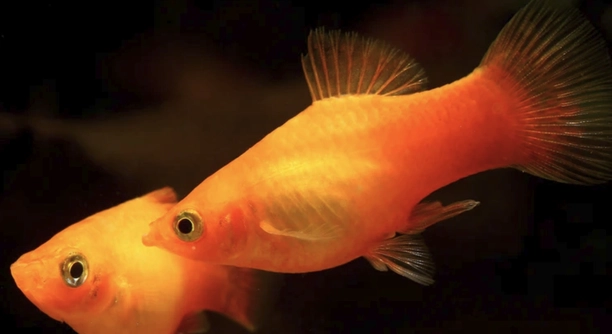
Do you have a large aquarium with platies swimming around? These colorful fish are popular among hobbyists and often kept in spacious tanks. Many wonder about their social needs in bigger environments.
Platies are social animals that generally prefer to live with others of their kind. In large tanks, they usually do not get lonely if kept in appropriate groups, as they engage in natural schooling and social behaviors.
Understanding how platies interact in bigger spaces helps ensure their well-being and happiness. This article will guide you through the key points of their social habits.
Do Platies Need Companionship?
Platies are naturally social fish that enjoy being around others. In the wild, they swim in groups, which helps them feel safe and active. When kept alone, platies can become stressed or shy. They may hide more and show less movement. Adding more platies to your tank encourages natural behaviors like swimming together and exploring their environment. It’s important to keep at least three or more platies in the same tank. This number helps reduce aggression and supports a balanced social structure. In bigger tanks, having a group also fills the space, keeping the fish engaged and less likely to get bored. Social interaction is essential for their health and overall happiness. Without it, platies may not live up to their full potential or display their bright colors as vividly. So, maintaining a proper group size is key to their well-being.
Group size affects platy behavior and tank dynamics significantly.
Keeping a proper number of platies in a large tank prevents loneliness and encourages natural schooling. This improves their health and interaction with other tank mates.
How Tank Size Affects Platy Behavior
Tank size plays a big role in platies’ comfort and activity levels. Smaller tanks can make platies feel crowded and stressed, especially if there are too many fish. On the other hand, very large tanks might leave a single platy feeling isolated if it is the only one present. In a big tank, space is available for hiding spots and swimming areas, but platies rely on social groups to fill that space with activity. Providing plenty of plants and decorations can help create a comfortable environment and offer places for platies to explore together. A well-structured tank also reduces stress and aggression, encouraging healthy social behavior. The key is to balance tank size with the number of platies and other fish to create a lively but calm community.
Large tanks need more fish to keep platies active and happy.
With enough companions and a well-planned environment, platies in large tanks stay social, active, and display their natural behaviors clearly.
Signs That Platies Are Lonely
Lonely platies often become less active and may hide frequently. They might lose some of their bright color and seem uninterested in swimming with other fish.
When platies lack companionship, their behavior changes noticeably. They may swim slowly or stay at the bottom of the tank. Sometimes, they become aggressive toward other fish or themselves. A lonely platy can also stop eating regularly, which affects its health. Watching for these signs helps you understand when your fish need more social interaction or adjustments in their environment.
Lonely platies may also show less curiosity and reduce their usual playful movements. In a proper group, they explore the tank and interact with tank mates more often. These behaviors help keep them stimulated and healthy. If you notice dullness or withdrawal, adding more platies or rearranging the tank setup can improve their mood and activity.
How to Keep Platies Social and Happy
Keeping platies happy means giving them enough companions and a good environment. A group of at least three or more helps them feel safe and engaged.
Besides group size, a tank with plants, hiding spots, and open swimming areas creates a natural feel. This encourages platies to explore and interact. Regular feeding and clean water also contribute to their well-being. Mixing peaceful fish species with platies helps maintain a calm atmosphere. Avoid overcrowding, which can cause stress and aggression.
Providing variety in their environment keeps platies active and less likely to become bored or lonely. When their social and physical needs are met, they show brighter colors and livelier behavior. Paying attention to these factors ensures your platies thrive in larger tanks.
Ideal Group Size for Platies
Platies do best in groups of at least three. This number helps them feel secure and encourages natural social behavior.
Too few platies can lead to stress or loneliness, while too many may cause overcrowding and competition for resources.
Impact of Tank Mates on Platies
Choosing compatible tank mates is important for platies’ social health. Peaceful fish that share similar water needs help maintain a calm tank environment. Aggressive or overly active fish can stress platies, causing them to hide or become withdrawn.
Feeding and Social Interaction
Regular feeding routines help platies stay active and maintain social bonds. Feeding together can stimulate natural behaviors and reduce stress among the group.
Signs of Stress in Platies
FAQ
Do platies get lonely if kept alone?
Yes, platies are social fish and can feel lonely when kept alone. They naturally live in groups and rely on interaction with other fish to feel secure. Without companions, platies may become stressed, hide more, and show less active behavior. Keeping at least three platies together is recommended to prevent loneliness.
How many platies should be kept together in a big tank?
In a large tank, a group of three to six platies is ideal. This range allows them to form social bonds and swim actively without overcrowding. Bigger tanks can support more platies, but it’s important to maintain balance with other fish and tank size to avoid stress or aggression.
Can platies live happily with other fish species?
Platies generally do well with peaceful community fish like tetras, guppies, and mollies. They prefer calm tank mates that won’t compete aggressively for food or territory. Avoid housing platies with larger, aggressive fish, as this can cause stress and harm.
What happens if a platy is lonely in a large tank?
A lonely platy in a big tank may become shy and inactive, often hiding and avoiding other fish. Its colors might fade, and it could lose interest in food. Loneliness reduces their natural schooling behavior and can impact overall health.
How can I tell if my platies are happy?
Happy platies are active swimmers who interact with others and explore their environment. Their colors appear bright, and they show regular eating habits. They also engage in natural behaviors like chasing, schooling, and occasional gentle chasing during mating.
Do platies need hiding spots even in large tanks?
Yes, hiding spots are important regardless of tank size. They provide shelter and reduce stress, especially during rest or if fish feel threatened. Plants, caves, or decorations help create a comfortable environment and encourage natural behavior.
Can platies live alone if the tank is very large?
Even in a large tank, platies do better with companions. Space alone doesn’t replace the need for social interaction. A single platy might feel isolated and stressed, so keeping at least a small group is best for their well-being.
How often should platies be fed to support their social behavior?
Feeding platies once or twice a day with a balanced diet supports their energy and social activity. Consistent feeding times encourage routine and reduce competition during feeding, helping maintain peaceful interactions.
Does tank size affect platies’ social needs?
Tank size affects how many platies you can keep comfortably, but their social needs stay the same. Larger tanks require more fish to maintain group dynamics. Without enough companions, platies may still feel lonely regardless of the tank’s size.
Can platies get along with aggressive fish?
Platies do not usually do well with aggressive fish. Aggressive tank mates can cause stress, injuries, and hide behavior in platies. It’s important to choose peaceful species to ensure a harmonious community tank.
What should I do if my platy shows signs of loneliness?
If your platy seems lonely, try adding more platies or other peaceful community fish. Adjusting the tank layout to include plants and hiding spots can also help. Monitor their behavior and health closely after changes.
Is it necessary to separate platies during breeding in big tanks?
Separation during breeding is optional but can protect fry from being eaten by adults. If the tank is large and has plenty of hiding places, some fry may survive without separation. Breeding behavior can also increase activity and interaction among platies.
How do I prevent aggression in a group of platies?
Avoid overcrowding and maintain proper sex ratios, usually one male to two or three females. Ensure the tank has enough space and hiding spots. Balanced feeding reduces competition and helps keep aggression low.
Are platies happier in planted tanks?
Platies generally prefer planted tanks because plants provide shelter, improve water quality, and create a natural environment. Plants encourage exploration and help reduce stress, which contributes to happier fish.
Can lonely platies recover after adding companions?
Yes, lonely platies often improve quickly once placed with companions. Their activity increases, colors brighten, and natural behaviors return. Patience is key as fish adjust to new social groups.
Platies are social fish that thrive when they have companions. Even in large tanks, being alone can cause them stress and reduce their natural behavior. Keeping them in groups helps them feel secure and active. A group of at least three platies is usually enough to prevent loneliness and encourage healthy social interaction. This is true regardless of tank size. In bigger tanks, the right number of platies ensures the space feels lively and full of movement, which is good for their overall well-being.
Besides having enough companions, the tank environment matters a lot. Platies enjoy having places to hide and explore, such as plants and decorations. These provide comfort and reduce stress, which helps them stay healthy and happy. Feeding routines also play a role in their social behavior. Regular feeding times and a balanced diet keep them energetic and encourage interaction among the group. Choosing peaceful tank mates is important as well, since aggressive fish can upset platies and cause them to become shy or withdrawn.
If a platy seems lonely or shows signs of stress, adding more fish or improving the tank setup can make a big difference. Loneliness affects their activity, color, and appetite, but these problems often improve once they have companions and a better environment. Watching their behavior closely helps to spot problems early and take action. In the end, providing a balanced social group, a comfortable tank, and good care will help platies stay healthy and enjoy their life in your aquarium.

Hello,
If you enjoy the content that we create, please consider saying a "Thank You!" by leaving a tip.
Every little bit helps us continue crafting quality advice that supports the health, happiness, and well-being of pets around the world, for pets of all shapes, sizes, and species.
We really appreciate the kindness and support that you show us!