
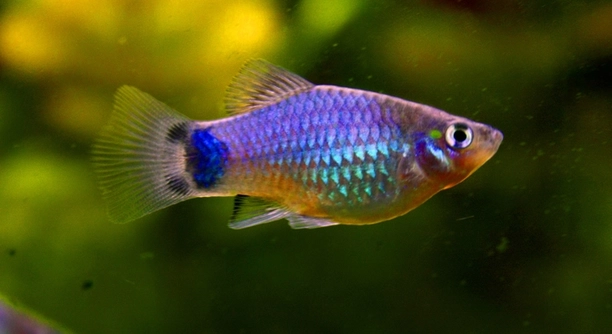
Platies are popular freshwater fish often kept in home aquariums for their bright colors and peaceful nature. Many owners want to know what these fish eat and how to maintain a healthy tank environment. Understanding their diet helps ensure their well-being.
Platies do eat algae as part of their diet, but it is not their primary food source. They mainly consume flakes, pellets, and small live or frozen foods, with algae serving as a supplementary, natural addition to their nutrition in the tank.
Knowing how platies interact with algae can help you manage your aquarium better. This article will explain their eating habits and provide tips for a balanced diet and a clean tank.
What Do Platies Eat Besides Algae?
Platies mainly eat flakes and pellets designed for tropical fish, which provide balanced nutrition. They also enjoy small live foods like brine shrimp and bloodworms, plus frozen options. While algae are eaten, it’s more of a snack than a main meal. Including a variety of foods ensures they get enough protein and vitamins. This helps keep their colors vibrant and supports healthy growth. Overfeeding with just algae can lead to nutritional gaps. A diet combining prepared foods with occasional algae or vegetables like zucchini offers the best results. Monitoring what your platies consume lets you adjust feeding habits to avoid waste or tank pollution, both of which can harm water quality. Proper feeding supports their immune system and reduces stress, leading to a longer life in your aquarium.
Algae contribute some fiber and nutrients but are not enough alone for platies’ health. Variety remains essential.
Providing balanced meals and small treats helps keep your platies active and healthy in a clean tank environment.
How Algae Impact Your Aquarium
Algae naturally grow in many aquariums and can help maintain some ecological balance. They absorb excess nutrients like nitrates, which can otherwise harm fish. However, too much algae growth may indicate poor water conditions or overfeeding. Platies eating algae can help reduce buildup, but they won’t fully control it. Regular tank maintenance, including water changes and cleaning, is needed to keep algae at manageable levels. Plants and algae together contribute oxygen during the day but consume it at night, so balance is key. Controlling light exposure also affects algae growth; too much light speeds it up. Understanding algae’s role can help you maintain a healthy, clear tank for your fish. Proper filtration and water monitoring prevent issues before they start, creating a better environment for all aquatic life.
Balanced care and observation prevent algae from becoming a problem while supporting tank health.
Can Platies Help Control Algae?
Platies do nibble on algae, but their impact is limited. They help reduce some algae patches but won’t clear a tank on their own. Relying solely on platies for algae control isn’t effective.
While platies eat algae, they prefer other foods. Their grazing helps keep algae in check, but they won’t eliminate large algae problems. Other algae-eating species or regular tank maintenance are usually necessary. Using platies as part of an overall algae management plan is best, rather than expecting them to solve it alone.
Maintaining a clean tank with good filtration and balanced feeding is essential. Combining platies with algae eaters like snails or shrimp creates a more effective cleanup team. This supports a healthy environment without relying on one species.
Best Foods to Supplement Algae for Platies
Platies thrive on a varied diet. High-quality flake or pellet food designed for tropical fish offers essential nutrients. Including live or frozen foods like daphnia and brine shrimp adds protein and stimulates natural feeding behavior.
Vegetables such as blanched zucchini or spinach are good supplements. They provide fiber and vitamins, which algae alone cannot supply. These options encourage platies to explore different textures and help maintain digestive health.
A balanced diet supports vibrant colors and active swimming. Feeding small amounts several times a day prevents overfeeding and keeps water quality high. This approach ensures platies receive all necessary nutrients beyond algae.
How Often Should Platies Eat Algae?
Platies will naturally eat algae as it appears in the tank. This usually happens throughout the day as they swim and graze. There’s no need to feed algae separately often.
Feeding algae occasionally as a supplement can be beneficial. However, it should not replace their regular diet of flakes, pellets, and other foods.
Signs Your Platies Are Getting Enough Algae
Healthy platies show bright colors and active behavior. If they nibble on algae and seem satisfied, it indicates they are getting some from the tank. Lack of algae eating may mean they prefer other foods or algae is scarce.
Can Algae Harm Platies?
Excessive algae growth can lead to poor water quality, which harms platies. Balanced algae levels are safe, but overgrowth creates oxygen and toxin problems. Regular tank care prevents this.
FAQ
Do platies eat all types of algae?
Platies tend to eat softer, more accessible algae like green film algae that grows on tank surfaces. They are less likely to eat tougher algae such as black beard or hair algae. These harder types usually require other algae-eaters or manual removal to control.
Is it okay to feed platies algae wafers?
Yes, algae wafers can be a good supplement if natural algae are limited. These wafers provide additional nutrients and help satisfy their grazing instincts. However, algae wafers should not replace their main diet of flakes, pellets, and occasional live foods.
Can algae alone sustain platies?
Algae alone cannot provide a balanced diet for platies. They need a variety of foods to get proper protein, vitamins, and minerals. Relying only on algae can cause nutritional deficiencies and affect their growth and health.
How much algae do platies need daily?
There is no exact amount since platies eat algae opportunistically while swimming. Algae should be considered a natural supplement rather than a measured food source. Focus on providing a balanced diet and allowing algae as a small part of their intake.
Will platies stop eating flakes if there is plenty of algae?
Platies usually prefer flakes and pellets because they are formulated for their nutrition. Even if there is plenty of algae, they will still eat their regular food. Algae is more of a bonus or snack than a replacement.
Can too much algae be harmful to platies?
Excessive algae growth can cause water quality problems by reducing oxygen at night and increasing waste buildup. Poor water quality stresses platies and can lead to illness. Controlling algae through maintenance and balanced feeding is important for their health.
Are there better algae-eaters than platies?
Yes, species like Amano shrimp, nerite snails, and certain plecos are more effective algae eaters. Platies help a bit but should not be relied on as the primary algae control in an aquarium.
How to encourage platies to eat more algae?
Offering vegetables such as blanched zucchini or cucumber alongside algae can encourage grazing behavior. Keeping lighting moderate helps algae grow naturally without overwhelming the tank. Avoid overfeeding flakes to increase algae consumption.
Is algae eating more common in young or adult platies?
Younger platies may eat less algae since they require more protein for growth and prefer live or frozen foods. Adults tend to nibble on algae more as part of their diet but still need balanced meals.
Can platies eat algae off plants?
Platies do nibble on algae growing on plants, but they usually avoid eating the plants themselves. This behavior helps keep plants cleaner without damaging them. Regular algae control supports healthy plant growth.
Do platies need algae supplements if the tank is clean?
If the tank has little algae growth, it’s fine to provide supplements like algae wafers or vegetables. This ensures they get the benefits of algae nutrients without relying on natural growth that might be minimal in a well-maintained aquarium.
What happens if platies eat too much algae?
Eating too much algae is unlikely since platies naturally balance their intake. However, if algae is the only food source, nutritional imbalances could occur, leading to poor health. Always provide a varied diet.
Can algae eating prevent platies from getting sick?
Algae contains fiber and some vitamins that support digestion and immune health. While helpful, algae alone won’t prevent illness. Good water quality, diet, and tank care are more important for keeping platies healthy.
How to tell if platies are eating enough algae?
Look for signs like clean tank surfaces, occasional nibbling behavior, and healthy fish appearance. If algae is present but platies ignore it, they might be getting enough nutrients elsewhere or the algae is not appealing to them.
Are there algae types platies should avoid?
Yes, some algae types, like cyanobacteria (blue-green algae), are harmful and not eaten by platies. These require immediate removal and tank cleaning as they can produce toxins and degrade water quality.
Is algae eating behavior different in community tanks?
In community tanks, platies may compete with other species for algae. Some fish or invertebrates might be better algae eaters, so platies focus more on flakes and pellets. This can reduce algae consumption by platies.
Can algae consumption affect platies’ color?
Eating algae alone does not significantly affect color. Proper nutrition from flakes, pellets, and live foods plays a bigger role. Balanced diets help maintain the vibrant colors platies are known for.
Do platies prefer algae at certain times of day?
Platies often graze on algae during daylight hours when it is visible and accessible. They feed actively in the morning and late afternoon, with less grazing at night.
Is algae a good treat for platies?
Algae makes a natural treat and can provide enrichment by encouraging natural grazing behavior. It should be given alongside a balanced diet to keep platies healthy and satisfied.
How to balance algae and regular feeding?
Feed flakes or pellets as the main diet while allowing algae to grow moderately. Supplement with vegetables or algae wafers when algae growth is low. Avoid overfeeding prepared foods to prevent water issues and excess algae.
Do platies need algae for digestive health?
Algae adds fiber and helps digestion but is not essential if other fiber sources like vegetables are provided. A varied diet covers their digestive needs effectively.
What is the best way to introduce algae to a new platy tank?
Allow natural algae growth by setting up the tank with some light exposure and nutrients. Add algae wafers or vegetables as supplements until algae grows. Avoid harsh cleaning that removes all algae in the beginning.
Can algae eating reduce feeding costs?
Platies nibbling on algae can slightly reduce the amount of prepared food needed but won’t replace it. They still require quality flakes or pellets for full nutrition.
Are wild platies’ diets different regarding algae?
Wild platies consume more natural algae and plant matter compared to captive ones. Their diet is more varied and dependent on available food sources in their habitat.
How important is algae for platy breeding?
Algae provide hiding spots and food for fry, which helps survival rates. Including algae in breeding tanks can improve fry health and growth.
Can algae supplements cause algae overgrowth?
Feeding too many algae-based foods or supplements without proper tank care can increase nutrient levels, leading to algae blooms. Moderation is key.
Do platies eat algae off tank glass?
Yes, they often graze on algae films on tank glass. This helps keep surfaces cleaner but does not eliminate the need for regular cleaning.
Can platies survive without any algae in the tank?
Yes, platies can live healthy lives without algae if they receive a balanced diet. Algae is a natural addition, not a necessity.
How to tell if algae in the tank is harmful?
Harmful algae often appear slimy, foul-smelling, or discolored like blue-green algae. These require immediate action to protect fish health.
Should you add algae-eating snails or shrimp with platies?
Adding algae-eating invertebrates complements platies’ minor algae consumption. It helps keep the tank cleaner and balances the ecosystem.
Does algae impact water hardness or pH?
Algae can influence water parameters slightly but usually does not cause major changes if the tank is well maintained. Proper filtration keeps water stable.
Is feeding algae wafers every day safe?
Feeding algae wafers daily is safe if given in small amounts and balanced with other foods. Overfeeding can lead to water quality issues.
Can algae eating behavior indicate tank health?
Active algae grazing suggests algae is present and fish are healthy. Lack of grazing might indicate insufficient algae or health problems.
Do platies eat algae at different rates depending on the season?
Seasonal changes in light and temperature can affect algae growth and platy grazing behavior. More light generally means more algae and grazing.
Are frozen algae options good for platies?
Frozen algae or plankton supplements can be good for adding variety and nutrients. They work well alongside flakes and pellets.
Can platies eat algae off decorations?
Yes, they nibble on algae growing on decorations, helping keep the tank visually clean without damaging objects.
Is algae eating more common in male or female platies?
There is no clear difference; both males and females eat algae as part of their diet. Behavior depends more on individual fish and tank conditions.
Platies are small, colorful fish that many people enjoy keeping in their home aquariums. Understanding their diet is important for their health and happiness. While platies do eat algae, it is only a small part of what they need to stay healthy. Algae can provide some nutrients and fiber, but it does not supply everything platies require. They need a balanced diet that includes flakes, pellets, and occasional live or frozen foods to get the right amount of protein, vitamins, and minerals. Including a variety of foods helps keep them active and vibrant. Relying on algae alone is not enough and can lead to nutritional problems over time.
In the aquarium, algae can be both helpful and problematic. Small amounts of algae provide a natural food source for platies and can help maintain some balance in the tank’s ecosystem. However, too much algae can cause water quality issues, making the tank environment less healthy for all its inhabitants. Platies nibbling on algae can reduce its buildup somewhat, but they cannot control algae growth on their own. Regular tank maintenance, such as cleaning and water changes, is necessary to keep algae at a manageable level. Other algae-eating species, like snails and shrimp, can also assist in controlling algae more effectively.
Feeding platies a varied diet and managing algae growth in the tank will support their overall well-being. Adding vegetables like zucchini or spinach as supplements and offering algae wafers when natural algae are scarce can help provide a balanced nutrition. It is also important to avoid overfeeding, which can contribute to excess nutrients in the water and encourage algae overgrowth. Keeping an eye on water quality, feeding the right foods, and maintaining a clean tank creates an environment where platies can thrive. By understanding their eating habits and algae’s role, you can better care for these lively fish and enjoy their bright colors and peaceful presence in your aquarium.

Hello,
If you enjoy the content that we create, please consider saying a "Thank You!" by leaving a tip.
Every little bit helps us continue crafting quality advice that supports the health, happiness, and well-being of pets around the world, for pets of all shapes, sizes, and species.
We really appreciate the kindness and support that you show us!