
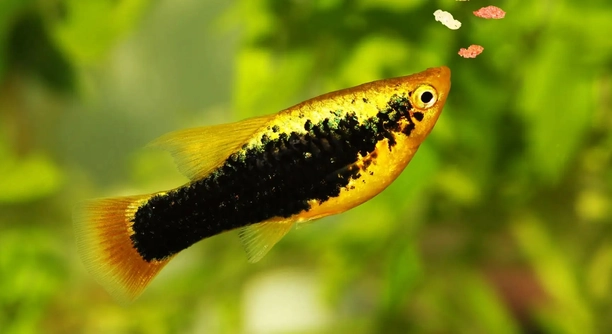
Are your platies acting differently depending on how bright your aquarium is? Light can play a big role in their daily behavior.
Platies tend to thrive in moderately lit tanks rather than ones that are overly bright or too dark. Excessive brightness can cause stress, while complete darkness can interfere with their natural rhythms and activity levels.
Understanding how light affects their health, mood, and social behavior can help you create a more comfortable and balanced environment for your platies.
How Light Levels Affect Platy Behavior
Platies are active fish that respond to their environment in subtle but noticeable ways. Lighting plays an important role in how they eat, swim, and interact with other fish. In tanks with very bright lights, platies can become anxious. They may hide more often, reduce their activity, or avoid open areas. On the other hand, tanks that are too dim can interfere with their natural sleep-wake cycle, making them less active during the day and disrupting feeding habits. A moderate light level—soft and consistent—is usually ideal. It allows them to explore the tank calmly and keeps stress levels low. Balanced lighting also supports healthy plant growth, which helps provide shelter and improves water quality. Platies thrive when they feel safe, and proper lighting creates that sense of comfort. Maintaining a regular light schedule—ideally around 10–12 hours a day—can help reinforce natural patterns and support their overall well-being.
Some platy keepers notice their fish becoming less colorful or energetic when lighting is not adjusted correctly.
To improve tank conditions, start by reducing harsh lighting. Use dimmable lights or floating plants to soften brightness. This creates more shaded areas and lowers stress. If your tank is too dark, gradually increase the lighting during the day, especially if your platies seem sluggish or inactive. Keep lighting consistent with a timer. Sudden changes in light—especially switching it on or off abruptly—can startle your fish and increase stress. Aim for gradual transitions when turning lights on in the morning or off at night. If your tank includes live plants, make sure the lighting supports both plant health and fish comfort. Avoid direct sunlight, which can cause sudden spikes in brightness and raise water temperature. Monitor your fish’s behavior and adjust lighting slowly over time. When you find the right balance, you’ll likely notice your platies swimming more confidently and displaying brighter colors. Healthy lighting encourages healthy behavior.
Common Mistakes in Lighting Platy Tanks
Some tanks are either far too bright or much too dark, both of which can stress platies and lead to poor health or behavior changes.
One common mistake is choosing lighting based solely on appearance rather than fish needs. Bright white or blue lights can look attractive but might be too intense for small, peaceful fish like platies. Another mistake is placing the tank near a window where sunlight shines directly into the water. This often leads to glare, overheating, and algae growth. In contrast, some people leave the lights off too often, thinking it mimics a calm natural setting. However, constant low lighting can disrupt natural activity levels and feeding. It’s also easy to forget that lights should be on a timer. Random or inconsistent lighting can confuse your fish and disturb their routine. Aim for a reliable schedule. If your tank has plants, make sure the lighting benefits both plants and fish. Using floating plants is a simple way to balance brightness without expensive equipment.
Finding the Right Lighting Balance
Too much light can cause stress, while too little can reduce energy and dull coloration. A steady, moderate lighting level is ideal for platies and supports both comfort and activity without overwhelming their senses or disrupting their natural behavior.
To create a balanced setup, aim for soft lighting that reaches all areas of the tank without being harsh. Use adjustable LED lights or place floating plants like duckweed or water lettuce to provide shade. Avoid strong, direct beams of light, especially in small tanks. Try setting the light duration between 10 to 12 hours a day using a timer. This supports a natural rhythm and helps reduce stress. Observe how your platies act throughout the day. If they’re hiding a lot, they might need dimmer lighting. If they’re sluggish or pale, increase brightness slowly. A calm, consistent setup helps them feel safe and show their true colors.
Sometimes lighting needs to be adjusted gradually over a few days to avoid stressing your platies. Sudden shifts from dark to bright, or vice versa, can startle them and make them act erratically. It’s also helpful to consider tank size and decoration. Larger tanks can handle brighter lights if there are hiding spots like plants, rocks, or caves. In smaller tanks, use soft lighting and limit the number of reflective surfaces. Check the light intensity regularly, especially if bulbs are aging or your room has natural light sources. You don’t need expensive equipment to get it right. Even basic tank lights with floating plants and a timer can make a big difference in your platy’s behavior and comfort. Always adjust based on how your fish are responding, not just how the tank looks.
Signs Your Platies Are Uncomfortable with Lighting
If platies are stressed by the light, they may hide more, lose color, swim less, or avoid open areas of the tank. These changes often show up gradually and may be mistaken for illness or poor water conditions.
Keep an eye on their daily routine. If your platies stop swimming in open spaces or hover near the bottom for long periods, the light may be too intense. Faded color or lack of appetite can also be a sign they’re uncomfortable. It helps to test changes slowly. Lower or raise the light in small steps and watch how they react over a few days. If they begin swimming more and their color returns, you’ve likely made a positive change. Also check for rapid gill movement or flashing, which could be related to stress. Lighting is just one part of their setup, but when it’s not right, it’s often easy to spot with close attention.
How Lighting Affects Platy Coloration
Platies often appear brighter and more colorful in soft, natural lighting. Overly harsh or dim light can wash out their colors and make them look dull, even if they’re healthy and eating well.
Stable lighting also helps maintain consistent color patterns. Sudden changes in light can cause temporary fading or stress-induced paleness.
Best Lighting Setup for Platies
Use adjustable LED lights that provide full-spectrum light, which supports both fish and plant health. Choose a light setting that isn’t too white or overly blue, as both can be too intense. Soft yellow or daylight tones work well. Floating plants can help scatter light, giving platies places to rest and feel secure. Avoid placing tanks near windows or other strong light sources that can overheat the water or create glare. Always use a timer to keep lighting consistent—about 10 to 12 hours per day. Watch your fish closely and make small changes if they seem stressed.
Extra Tips for Maintaining a Comfortable Tank
Avoid turning lights on or off suddenly—this can startle your platies. Instead, use dimmers or let ambient room light rise first.
FAQ
How bright should the tank light be for platies?
Platies do best with moderate light intensity. Bright lights can stress them, while too little light can make them less active and dull their colors. Aim for a soft, natural-looking light that evenly covers the tank without glare or harsh spots. Using adjustable LED lights lets you find the right balance. Floating plants can also help filter strong light and provide shaded areas.
Can platies live in a completely dark tank?
No, platies need some light to maintain their natural behavior and health. Complete darkness disrupts their day-night cycle, causing reduced activity and poor feeding habits. They rely on a regular light schedule of about 10 to 12 hours of light daily. This helps keep their internal clocks in sync and encourages natural swimming and feeding patterns.
Does tank lighting affect platy breeding?
Yes, proper lighting supports healthy breeding. Moderate, stable lighting helps females and males stay active and comfortable, which encourages mating behaviors. Too bright or inconsistent lighting can cause stress, reducing breeding success. A balanced light schedule and soft lighting improve overall tank conditions, making platies more likely to spawn.
What kind of bulbs work best for platy tanks?
Full-spectrum LED bulbs designed for aquariums are the best choice. They mimic natural daylight and support both fish and live plants. Avoid overly bright white or blue bulbs, which can be harsh. Soft daylight or warm white bulbs create a calm environment and enhance the colors of your platies. LEDs are energy-efficient and allow easy adjustment of brightness.
Should I use a timer for tank lights?
Yes, using a timer is highly recommended. It provides a consistent light cycle, which helps platies maintain their natural rhythms. Random lighting changes can confuse and stress your fish. A timer set for about 10 to 12 hours of light per day keeps conditions stable and predictable. This simple step can improve behavior, color, and health.
Can too much light cause algae growth?
Yes, excessive lighting encourages algae to grow quickly. Algae can cloud the water, reduce oxygen, and compete with plants for nutrients. To avoid this, keep light intensity moderate and limit the light duration. Adding floating plants can also reduce algae by shading the tank and absorbing nutrients. Regular cleaning and water changes are important to keep algae under control.
How do I know if my platies are stressed by light?
Watch for changes in behavior like hiding, reduced swimming, or dull colors. Stress can also show as loss of appetite or frantic swimming near shaded areas. If your platies seem withdrawn or inactive during daylight, the light may be too strong. Try dimming the lights or adding plants to create shaded zones. Stress signs often improve once lighting is adjusted.
Is natural sunlight good for platy tanks?
Direct sunlight is not ideal. It can cause sudden temperature spikes and strong glare, which stress platies. It also encourages fast algae growth. Indirect sunlight or diffused room light is better if you want natural lighting. Artificial lights designed for aquariums are safer and easier to control, offering steady, balanced illumination.
Can platies adapt to different lighting conditions?
Platies can adjust to changes in lighting over time but sudden shifts can stress them. Gradual changes allow them to adapt better. If you need to increase or decrease light intensity, do so slowly over several days. Providing places to hide and swim at different depths helps them cope with varying light levels.
How do plants help with lighting in a platy tank?
Plants provide shade, breaking up strong light and creating comfortable spots for platies to rest. They also improve water quality by absorbing waste and oxygenating the water. Floating plants are especially helpful for softening light from above. Healthy plants balance the tank environment, making it less stressful for fish and reducing algae growth.
Finding the right lighting for your platy tank is important for their health and happiness. Platies do best in moderate light that is not too bright or too dark. Bright lights can cause stress, making platies hide or swim less. On the other hand, very low light can make them less active and affect their natural behavior. A balanced lighting setup helps them feel safe and encourages normal swimming, eating, and social interaction. Using adjustable lights and a timer can make it easier to maintain the right level of light throughout the day.
Plants can also play a key role in creating a comfortable environment for platies. Floating or tall plants provide shade and soft spots where fish can rest if the light feels too strong. They help break up the light and reduce glare. Healthy plants improve water quality, which also benefits your platies. Combining good lighting with live plants creates a natural and calming atmosphere that supports both fish and plant health. Watching your platies regularly will help you notice how they react to the light and make adjustments if needed.
Overall, the goal is to provide a consistent and gentle light cycle for your platies. Using a timer to keep the light on for about 10 to 12 hours each day supports their natural rhythms and keeps stress low. Avoid sudden changes in brightness or turning lights on and off abruptly, as this can startle them. Paying attention to their behavior, color, and activity will help you find the best lighting setup. A well-lit tank with moderate, steady light will help your platies live a healthy and comfortable life.

Hello,
If you enjoy the content that we create, please consider saying a "Thank You!" by leaving a tip.
Every little bit helps us continue crafting quality advice that supports the health, happiness, and well-being of pets around the world, for pets of all shapes, sizes, and species.
We really appreciate the kindness and support that you show us!