
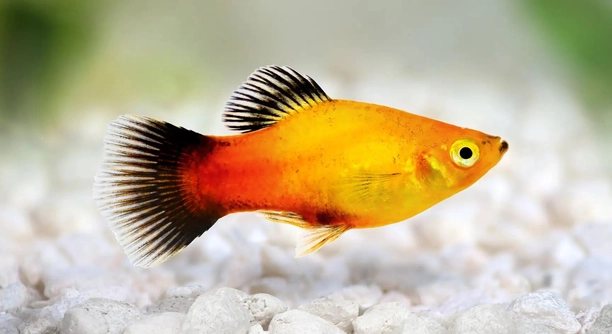
Platies are popular freshwater fish known for their vibrant colors and peaceful nature. Many fishkeepers want to create the best environment for them to thrive. Lighting is one factor that often comes up when caring for platies.
Platies respond to light cycles as part of their natural biological rhythms. Regular day and night lighting helps regulate their behavior, feeding, and breeding patterns. Consistent light cycles contribute to maintaining their health and overall well-being in captivity.
Understanding how light affects platies can improve tank conditions and fish care routines. This article will explain what light cycles mean for these lively fish.
How Light Cycles Affect Platy Behavior
Platies are naturally adapted to a regular day-night cycle in the wild. This pattern helps them maintain their internal biological clock. When kept in an aquarium, their behavior can be influenced by how the lighting is managed. A consistent light schedule encourages normal activity during the day and rest at night. Sudden changes in light or irregular cycles can cause stress, making platies less active or more prone to illness. Proper lighting also supports their feeding habits, helping them recognize feeding times. Additionally, lighting impacts breeding since platies often rely on environmental cues to trigger reproductive behaviors. Ensuring a stable light cycle promotes a healthier, more balanced tank environment where platies can thrive and display natural behaviors.
Lighting should ideally mimic natural conditions, providing around 10 to 12 hours of light daily. Avoid placing tanks in direct sunlight, which can cause temperature fluctuations and algae growth.
The best practice is to use a timer for aquarium lights. This keeps the cycle steady without requiring constant attention. Consistent light and dark periods reduce stress and support platies’ natural rhythms. It also helps with tank maintenance since algae growth is less likely with controlled lighting. Monitoring light duration is a simple way to improve the health and behavior of your fish.
Signs of Light Cycle Stress in Platies
Platies exposed to improper light cycles may show signs of stress. These can include reduced activity, hiding more than usual, or irregular feeding habits.
Stress caused by inconsistent lighting can weaken their immune systems. This makes them more susceptible to disease and reduces their lifespan. When platies experience stress, they might lose color vibrancy or become lethargic. In severe cases, breeding behavior can stop entirely. It is important to observe your fish regularly and adjust lighting if you notice any of these signs. Keeping a stable environment helps maintain their well-being and ensures they remain active and healthy. Adjustments can be simple, like reducing the light hours or avoiding sudden changes in brightness. Taking these steps helps platies feel secure and supports a balanced aquarium environment.
Ideal Light Duration for Platies
Platies thrive best with about 10 to 12 hours of light each day. This range closely matches their natural environment, helping them stay active and healthy.
Using a timer for the aquarium light ensures the cycle remains consistent. A steady light period promotes normal feeding and activity patterns. Too much light can cause stress and promote unwanted algae growth, while too little may reduce their activity and affect breeding. Balancing light duration supports both the fish and the tank’s ecosystem, making care easier and more effective.
Adjusting light intensity is also important. Bright lights can overwhelm platies, causing them to hide more often. Softer, diffused lighting helps create a comfortable environment. Matching the light cycle to a natural day-night rhythm improves overall fish well-being and tank balance.
Using Artificial Lighting in Platy Tanks
Artificial lights give control over the aquarium’s environment. LED lights are common and energy-efficient options that provide adjustable brightness and color settings. They allow customization to mimic natural conditions more closely.
Choosing the right light spectrum benefits both platies and live plants if present. Full-spectrum lights support plant growth and enhance fish coloration. Avoid harsh or overly blue lights, which can stress the fish. Timers paired with artificial lights make it easy to maintain consistent cycles without daily manual adjustments. This setup reduces stress and promotes a healthy habitat. Keeping light duration stable with artificial sources is key to preventing irregular behavior and supporting natural rhythms.
Light Cycle and Breeding Behavior
Light cycles influence platy breeding habits. Consistent lighting encourages natural reproductive behavior by signaling favorable conditions.
Irregular or extended light exposure can disrupt spawning patterns. Keeping a steady light schedule helps platies maintain their natural breeding rhythms and increases the chances of successful fry production.
Adjusting Light for Tank Conditions
Tank size, decorations, and plants affect how light spreads. Smaller tanks may need lower light intensity to avoid stressing platies. Dense plants can soften light naturally. Adjust lighting based on these factors to create a balanced environment where fish feel secure and healthy.
Natural vs. Artificial Light
Natural light varies and can be inconsistent indoors. Artificial lighting offers better control over timing and intensity for platies. Using artificial lights with timers ensures stable conditions, reducing stress and promoting steady behavior in the aquarium.
FAQ
How many hours of light do platies need daily?
Platies do best with about 10 to 12 hours of light each day. This amount simulates their natural environment and helps keep their daily rhythm steady. Too much light can stress them, while too little can reduce their activity and affect feeding or breeding.
Can platies live without a regular light cycle?
Platies can survive without a strict light cycle, but irregular lighting often causes stress. A consistent day-night pattern supports healthy behavior, feeding habits, and breeding. Without it, fish may become lethargic, lose color, or stop spawning.
Is natural sunlight good for platies?
Direct sunlight is not recommended. It causes temperature fluctuations and excessive algae growth, which can harm the tank environment. Indirect natural light is better, but using artificial lighting with a timer is the safest way to maintain stable conditions.
What type of artificial light is best for platies?
LED lights are ideal because they are energy-efficient, adjustable, and produce less heat. Full-spectrum LEDs mimic natural light and enhance fish colors. Avoid harsh or overly blue lights as they can cause stress.
Can lighting affect platy breeding?
Yes, lighting plays a key role. Consistent light cycles signal the right conditions for spawning. Too much or erratic light exposure can disrupt breeding patterns, reducing fry production. Maintaining steady light periods supports reproductive health.
How can I reduce algae growth related to lighting?
Limit light duration to about 10-12 hours daily and avoid direct sunlight. Using timers helps control light exposure precisely. Adding live plants also competes with algae for nutrients, reducing its growth naturally.
Should I adjust lighting based on tank setup?
Yes, tank size, decorations, and plants influence how light spreads. Smaller tanks or tanks with dense plants need lower intensity to prevent stress. Adjust brightness accordingly to create a comfortable environment.
What signs show platies are stressed by light?
Signs include hiding more often, reduced activity, dull color, and irregular feeding. In breeding tanks, a drop in spawning may also indicate stress. Adjusting light cycles and intensity usually helps improve their condition.
Is it okay to leave aquarium lights on overnight?
No, continuous light can disturb platies’ natural rhythms and cause stress. They need a dark period to rest properly. Maintaining a regular light-dark cycle is important for their health and behavior.
Can I use a timer for my aquarium light?
Yes, using a timer is highly recommended. It ensures consistent light cycles without daily manual effort. This stability reduces stress for platies and supports natural behaviors like feeding and breeding.
Final thoughts on platies and light cycles focus on the importance of maintaining a stable environment for these fish. Lighting is a key factor that affects their behavior, health, and breeding. Providing a consistent day and night cycle helps platies stay active and reduces stress. This, in turn, supports their overall well-being and longevity. While platies can survive under less-than-ideal lighting conditions, their quality of life improves significantly when light cycles mimic natural patterns.
Careful management of light duration and intensity is essential. Around 10 to 12 hours of light per day is generally recommended, using artificial lights with timers to maintain consistency. Sudden changes in lighting or leaving lights on for too long can disrupt their natural rhythms. This may lead to stress symptoms like reduced activity, color fading, or irregular feeding. Adjusting lighting to suit the tank size, plants, and decorations also creates a balanced environment where platies feel secure.
In addition to lighting, other factors like water quality, temperature, and diet are important for keeping platies healthy. However, light cycles remain a simple and effective way to support their natural behavior and breeding. By paying attention to how lighting affects your fish, you can create a calm and stable home that encourages them to thrive. Regular observation will help identify any issues early, allowing for timely adjustments that promote a healthy aquarium community.

Hello,
If you enjoy the content that we create, please consider saying a "Thank You!" by leaving a tip.
Every little bit helps us continue crafting quality advice that supports the health, happiness, and well-being of pets around the world, for pets of all shapes, sizes, and species.
We really appreciate the kindness and support that you show us!