
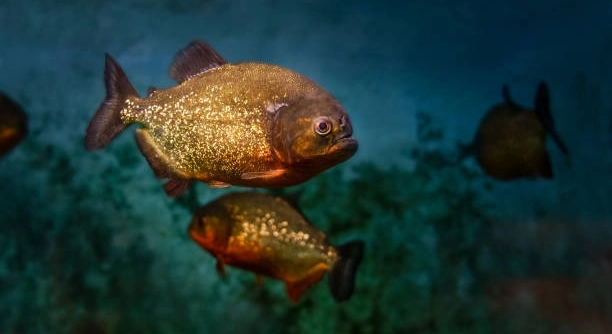
Have you ever noticed how piranhas behave in the wild or at an aquarium? These fish have a fierce reputation, but their actions may hold surprises. Understanding their behavior can reveal more than just aggression or fear.
Piranhas do not show affection in the way mammals or birds do. Their behavior is primarily driven by survival instincts, social hierarchy, and feeding needs rather than emotional bonds. Observations suggest they respond to stimuli but do not engage in affectionate displays.
Learning about what drives piranha behavior helps clear up common myths and offers a better view of these misunderstood fish in their natural environment.
Understanding Piranha Social Behavior
Piranhas are often seen as aggressive fish, but their social behavior is more complex than just fighting or feeding frenzies. They tend to live in groups called shoals, which helps them stay safe from predators. Inside these groups, piranhas communicate through body movements and sometimes changes in color. This helps maintain order and reduce unnecessary fights. While they can be territorial, many piranhas coexist peacefully, especially when food is abundant. The group behavior also plays a role in hunting, where they coordinate to catch prey more efficiently. This social structure is important for their survival rather than emotional bonding. Overall, piranhas rely on clear signals and instinctual responses to interact with each other, not affection or care as seen in mammals or birds.
Piranhas show social behavior aimed at survival, but this does not include affectionate bonds or emotional connections.
By learning about their social patterns, we can appreciate how piranhas manage group living and understand why their behavior might seem harsh at times but is mostly practical.
Common Myths About Piranha Affection
Many myths exist around piranhas, especially about their nature and how they interact with others. Some people believe piranhas can show affection, but this is largely untrue. Unlike animals that form close bonds, piranhas operate mainly on instinct and survival. Their interactions are usually about protecting territory, competing for food, or signaling danger. Observing piranhas in controlled environments or in nature shows little to no evidence of caring behaviors or attachment. Instead, they react quickly to threats or opportunities. These myths often come from misunderstandings or from stories exaggerated over time. Knowing the real reasons behind their actions can help avoid fear or misjudgments about these fish.
Piranhas do not form emotional attachments, and their behavior is guided by basic survival needs and instinct.
Understanding these facts helps separate fiction from reality, making it easier to appreciate piranhas for what they truly are.
Piranhas and Territory
Piranhas are very protective of their space. They guard their area aggressively, especially during breeding season. This territorial behavior helps them keep rivals and threats away.
Territory is important for piranhas because it gives them access to food and safe spots for their young. When other fish or piranhas come close, they show warning signs like flaring fins or quick movements. These actions help avoid fights, but if ignored, they can attack. This defense is not about affection but about survival and keeping resources safe. Piranhas need clear boundaries to live and reproduce successfully.
During breeding, piranhas become more territorial to protect their eggs and young. Males will fiercely defend nesting areas and may become aggressive toward any intruders. This behavior is necessary to increase the chance of offspring survival but should not be mistaken for caring in a human sense.
Signs of Stress and Comfort in Piranhas
Stress in piranhas can be seen through changes in behavior such as hiding, loss of appetite, or erratic swimming. Comfort usually means they swim calmly and interact normally with their group.
When piranhas feel safe and comfortable, they tend to stay close to their group and explore their environment without panic. They also show normal feeding habits and rest regularly. Stress, caused by poor water quality, overcrowding, or threats, disrupts these behaviors. Recognizing signs of stress helps keep piranhas healthy in captivity. While these behaviors show their condition, they are not signs of emotional affection but basic responses to their environment. Understanding this helps in providing better care for them.
Interaction With Humans
Piranhas rarely interact with humans in a way that shows recognition or affection. Most reactions are defensive or cautious. They may freeze or swim away if approached suddenly.
When kept in aquariums, piranhas can become accustomed to regular feeding but still do not form bonds. Their behavior remains instinctual rather than emotional.
How Piranhas Communicate
Piranhas communicate mainly through body language and movement. Changes in fin position, swimming speed, and posture signal aggression, submission, or alertness to others nearby. Vocal sounds are rare and not used for bonding.
Caring for Piranhas
Providing clean water, proper space, and a stable environment helps piranhas thrive. Stress reduction improves their behavior, though it does not create emotional connections.
FAQ
Do piranhas show affection toward each other?
Piranhas do not show affection as mammals or birds do. Their interactions focus on survival, like defending territory or hunting. While they live in groups and communicate, these behaviors serve practical purposes rather than emotional bonding. What looks like close interaction is mostly about safety or food.
Can piranhas recognize their owners?
Piranhas can learn to associate people with feeding times but do not recognize owners in a way that shows affection or attachment. Their responses are based on conditioning rather than emotional connection. They may swim toward a hand that feeds them but will not seek out human interaction.
Do piranhas get stressed easily?
Yes, piranhas can get stressed if their environment is poor. Factors like dirty water, overcrowding, or sudden changes cause stress. Signs include hiding, erratic swimming, or refusal to eat. Stress impacts their health, so keeping a stable environment is essential.
How do piranhas communicate within their group?
Piranhas use body movements such as fin displays, changes in swimming speed, and posture to communicate. These signals help establish hierarchy, warn of danger, or avoid conflict. Vocal sounds are rare and not important in their communication.
Are piranhas dangerous to humans?
While piranhas have sharp teeth and can bite, attacks on humans are rare and usually happen when the fish feel threatened or cornered. Most species prefer to avoid humans. Bites are often accidental or defensive rather than aggressive attacks.
Do piranhas care for their young?
Male piranhas protect nests and guard eggs during breeding season, showing a form of parental care. However, this care is instinctive and focused on survival, not emotional bonding. After the young hatch, parental involvement decreases quickly.
Can piranhas be kept in home aquariums?
Yes, piranhas can be kept in home aquariums, but they require specific care. They need enough space, clean water, and proper diet to stay healthy. They also need to be housed with care to avoid fighting, especially during breeding times.
What is the best diet for piranhas in captivity?
Piranhas are carnivorous and prefer a diet of fish, insects, and meat. In captivity, feeding them fresh or frozen fish, shrimp, and specially made carnivore pellets is ideal. Avoid overfeeding to prevent water quality problems.
Do piranhas ever swim alone?
Piranhas usually swim in groups for protection and better hunting success. However, some may be found alone, especially older or dominant individuals defending territory. Swimming alone is less common and usually temporary.
Can piranhas live peacefully with other fish?
Piranhas can be aggressive, especially toward smaller fish that they see as prey. They may coexist with larger, fast-swimming species but often do best in species-only tanks. Tank mates should be chosen carefully to prevent attacks.
How long do piranhas live?
Piranhas can live up to 10 years in captivity with proper care. Their lifespan in the wild is usually shorter due to predators and environmental challenges. Good nutrition and a stable environment help extend their life.
What should you do if a piranha bites?
If bitten by a piranha, clean the wound immediately with soap and water to prevent infection. Apply antiseptic and monitor the injury for signs of swelling or redness. Seek medical help if the bite is deep or shows signs of infection.
Do piranhas have natural predators?
Yes, larger fish, birds, and mammals prey on piranhas in the wild. Their schooling behavior helps reduce the risk by confusing predators. Despite their fierce reputation, piranhas are part of a larger food chain and are not top predators.
Are piranhas affected by environmental changes?
Piranhas are sensitive to changes in water temperature, pollution, and habitat destruction. These factors can stress the fish and reduce their population. Protecting their natural habitats is important for their survival.
Can piranhas be trained?
Piranhas can learn simple routines like feeding times but cannot be trained like mammals. Their learning is limited to conditioned responses, not complex behaviors or tricks.
This FAQ covers common questions about piranha behavior, care, and interaction. Knowing these facts helps better understand these fish without myths or misunderstandings.
Piranhas are often misunderstood because of their sharp teeth and aggressive reputation. Many people think they are dangerous and cruel animals that only attack without reason. In reality, piranhas have behaviors shaped mostly by survival needs. They live in groups to protect themselves from predators and to find food more easily. Their social life is practical, not emotional. They do not show affection like mammals or birds, but their actions are important for keeping their group safe and healthy.
When it comes to interacting with humans or other fish, piranhas stay cautious and defensive. They can get stressed if their environment changes or if they feel threatened. In aquariums, they can learn to recognize feeding times, but this does not mean they form bonds with people. Their reactions are based on instinct, not feelings of attachment. It is important for anyone keeping piranhas to provide a stable environment with clean water, enough space, and proper food. This care helps keep piranhas healthy and reduces stress, but it will not create affection between fish and owners.
Understanding piranhas helps remove the myths that make them seem frightening or misunderstood. They are fascinating creatures with unique behaviors designed to help them survive in their natural habitats. While they don’t show affection, their social patterns and protective instincts reveal how they work together and live as a group. Learning the truth about piranhas makes it easier to respect and care for them properly, whether in the wild or captivity. This knowledge brings a clearer view of what piranhas really are—fish focused on survival, not emotion.

Hello,
If you enjoy the content that we create, please consider saying a "Thank You!" by leaving a tip.
Every little bit helps us continue crafting quality advice that supports the health, happiness, and well-being of pets around the world, for pets of all shapes, sizes, and species.
We really appreciate the kindness and support that you show us!