
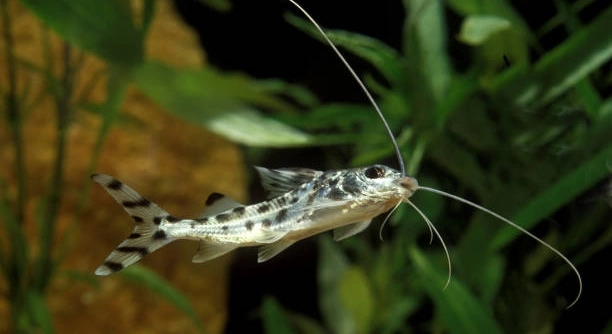
Many fishkeepers enjoy watching their Pictus Catfish explore the tank. These active fish have unique habits that make them interesting to observe during both day and night. Knowing their sleeping behavior helps create a better environment for them.
Pictus Catfish usually do not sleep in the exact same spot every time. They prefer to rest in safe areas but may move around the tank depending on comfort, light levels, and tank activity. Their resting places can change regularly.
Understanding where and how these catfish rest can improve their care. Learning about their habits helps create a calm and healthy space for them to thrive.
Where Do Pictus Catfish Prefer to Rest?
Pictus Catfish tend to rest in quiet, sheltered areas within the tank. They often choose spots under driftwood, inside caves, or among dense plants where they feel protected. These locations help reduce stress and provide a sense of security during their resting periods. Unlike some fish that return to the exact same spot, Pictus Catfish can shift their resting places depending on changes in the tank environment. Factors like light intensity, noise, or the presence of other fish influence their choice. At night, they may become more active but still find calmer spots to pause and rest. Watching them settle into different areas can give clues about their comfort and overall health. Tank setups that offer multiple hiding places support this natural behavior well, ensuring they have options to feel safe at any time. Providing a stable environment with proper lighting and decorations encourages their natural resting habits.
Pictus Catfish’s choice of resting spots reflects their need for safety and comfort. Changing locations helps them adapt to their surroundings.
Understanding their preferences helps in setting up an ideal tank environment, improving their wellbeing and reducing stress.
How Light and Tank Activity Affect Pictus Catfish Sleep
Pictus Catfish are sensitive to changes in light and movement within their tank. Bright lights can make them feel exposed, so they often seek darker or shaded areas to rest. During the day, when the tank is more active, they usually hide and stay still to avoid disturbance. At night, with less light and movement, they tend to be more active but still take short breaks in quiet spots. Tankmates that swim quickly or act aggressively can cause these catfish to move their resting place frequently. To support their natural sleep cycle, it helps to maintain a regular light schedule and reduce sudden changes. Soft lighting and calm tank activity encourage Pictus Catfish to feel secure and rest properly.
Providing a calm environment with dim lighting helps Pictus Catfish rest peacefully and reduces stress-related behaviors.
Consistent lighting routines and minimizing tank disturbances are key to maintaining their natural sleep habits. Creating a space where these fish feel safe to rest promotes healthier and more relaxed behavior. Offering plenty of hiding spots and keeping tank activity steady prevents constant movement and helps them find comfortable resting areas. Watching how they respond to light and other fish can guide adjustments in tank setup. This way, their natural sleep patterns are supported, contributing to their overall wellbeing and longevity in captivity.
Typical Resting Behavior of Pictus Catfish
Pictus Catfish rest by staying still in hidden or sheltered spots. They often flatten their bodies against surfaces, which helps them feel secure. Resting periods are usually short and scattered throughout the day and night.
During rest, these catfish reduce their movement but remain alert to surroundings. They do not enter deep sleep like mammals but have lighter resting states. This allows them to react quickly if there is danger. They tend to tuck themselves under plants, rocks, or decorations to feel safer. This behavior helps them avoid predators in the wild and reduces stress in captivity. Observing their stillness and chosen spots helps understand their comfort level.
Resting behavior can vary based on the tank’s setup and activity. If the environment is calm with plenty of hiding places, Pictus Catfish will rest more confidently. However, if the tank is busy or brightly lit, they may rest less or stay more alert. Adjusting the tank to their needs supports their natural behavior.
Creating a Comfortable Sleeping Environment
Providing soft lighting and plenty of cover is essential for Pictus Catfish to rest well. Dim lights mimic their natural environment and encourage calmness. Plants, caves, and driftwood create ideal hiding spots.
Stable water conditions also contribute to restful behavior. Sudden changes in temperature or water quality can cause stress, interrupting their rest. Keeping the tank clean and maintaining regular water parameters supports their health. It’s important to create a peaceful environment without frequent disturbances. This helps the catfish feel safe enough to rest properly. Monitoring their resting habits can reveal if the tank environment needs adjustments. Proper care encourages natural sleep patterns and overall wellbeing.
How Pictus Catfish React to Tank Changes
Pictus Catfish can become restless when their tank environment changes suddenly. New decorations, added fish, or shifts in lighting may cause them to alter their resting spots. They need time to adjust and feel secure again.
Stress from changes often leads these catfish to hide more or stay active longer. Maintaining a stable tank environment helps them settle quickly.
Common Resting Spots in a Home Aquarium
Pictus Catfish often choose corners, under plants, or behind decorations as their resting places. These areas provide shelter and darkness, making them feel safe. They avoid open spaces where they feel exposed and vulnerable.
Nighttime Behavior of Pictus Catfish
At night, Pictus Catfish tend to be more active but still rest intermittently. Their movement increases as they search for food or explore, though they pause to rest quietly in safe spots.
Signs Your Pictus Catfish Is Resting
A resting Pictus Catfish stays still, with little fin movement and tucked body posture. They avoid bright areas and seek shaded, hidden spots to relax.
How long do Pictus Catfish usually rest?
Pictus Catfish do not have long, continuous sleep periods like mammals. Instead, they rest in short bursts throughout the day and night. These resting moments can last from a few minutes up to around half an hour. Their light resting state allows them to stay alert to any changes or threats in the tank.
Do Pictus Catfish always rest in the same place?
No, Pictus Catfish usually do not rest in the exact same spot all the time. They prefer safe, sheltered areas but may move between different hiding places based on tank conditions. Light levels, tank activity, and the presence of other fish can influence where they choose to rest.
What happens if my Pictus Catfish doesn’t seem to rest?
If a Pictus Catfish appears restless or doesn’t settle in one spot, it might be stressed or uncomfortable. Common causes include poor water quality, too much noise or activity, or lack of hiding places. Checking tank parameters and adding shelters can help improve their comfort and encourage rest.
Can Pictus Catfish rest in open areas?
Generally, Pictus Catfish avoid resting in open spaces because it leaves them exposed. They feel safer when resting under plants, driftwood, or inside caves. Open resting spots make them vulnerable and increase stress, so they tend to seek cover.
Do Pictus Catfish sleep during the day or night?
Pictus Catfish are mostly nocturnal and tend to be more active at night. However, they do rest intermittently during both day and night. During the day, they usually stay hidden and still, resting quietly in shaded areas.
How can I tell if my Pictus Catfish is resting?
A resting Pictus Catfish will stay mostly still, often flattening its body against a surface or curling slightly. Fin movement slows or stops, and the fish may hide behind plants or decorations. They remain alert but reduce their activity to conserve energy.
Does lighting affect Pictus Catfish rest?
Yes, lighting plays a big role in their resting behavior. Bright lights can cause stress and make them avoid resting in exposed areas. Dim or natural lighting encourages them to settle in safe spots and rest more comfortably.
What tank setup encourages better rest for Pictus Catfish?
A tank with plenty of hiding places like caves, driftwood, and plants helps Pictus Catfish feel secure. Soft, consistent lighting and stable water conditions also support their natural resting habits. Avoid sudden changes in the tank environment to reduce stress.
Is it normal for Pictus Catfish to move around a lot at night?
Yes, it is normal. Pictus Catfish are nocturnal and tend to be more active at night, exploring and foraging. They take short rests between activity bursts but rarely stay in one spot for too long during nighttime hours.
Can poor water quality affect their resting behavior?
Poor water quality can stress Pictus Catfish and disrupt their resting patterns. High ammonia or nitrite levels, incorrect temperature, or low oxygen can cause restlessness and prevent them from feeling safe enough to rest properly.
Should I turn off aquarium lights at night?
Turning off the aquarium lights at night helps mimic their natural environment. Darkness encourages Pictus Catfish to behave naturally, including resting and nighttime activity cycles. Keeping a regular light schedule supports their health and reduces stress.
Do Pictus Catfish need complete darkness to rest?
Complete darkness is not always necessary but a dim environment is preferred. Soft lighting or shaded areas allow them to rest comfortably without feeling threatened. Sudden bright lights can disturb their rest and increase anxiety.
How often do Pictus Catfish change their resting spots?
The frequency varies but they may change resting spots daily or even multiple times a day. This behavior helps them find the safest, most comfortable locations depending on tank conditions and activity levels.
Can tankmates affect where Pictus Catfish rest?
Yes, aggressive or overly active tankmates can cause Pictus Catfish to move their resting spots more often. If they feel threatened or chased, they will seek new hiding places to stay safe and calm.
What signs indicate my Pictus Catfish is stressed and not resting well?
Signs include constant movement, hiding excessively, loss of appetite, or unusual aggression. Restlessness and frequent changes in resting spots may also suggest stress. Checking water quality and tank setup usually helps identify the cause.
Pictus Catfish are fascinating fish with unique resting habits that differ from many other species. They do not sleep in one spot all the time but rather move around the tank to find safe and comfortable places. These fish tend to rest in shaded or hidden areas where they feel secure. This behavior helps them stay alert to their environment and avoid stress. Knowing where and how they rest can help fishkeepers provide better care. A tank with plenty of hiding spots and calm conditions supports their natural behavior and helps them feel safe.
The environment plays a big role in how Pictus Catfish rest. Bright lights or constant activity can make them uneasy and cause them to change resting spots often. On the other hand, a stable tank with soft lighting and enough shelter encourages them to relax more easily. Keeping water quality steady and avoiding sudden changes also helps. These simple steps can make a noticeable difference in their comfort and overall health. Watching their resting habits can also serve as a good way to monitor how well they are adjusting to the tank and their surroundings.
Rest is important for Pictus Catfish to stay healthy and active. While they don’t have deep sleep like mammals, their periods of rest are essential for energy and wellbeing. Providing a tank environment that respects their natural needs will help them thrive. Fishkeepers who understand their resting behavior are better equipped to create a peaceful space where these catfish can feel at ease. This attention to their comfort will lead to a healthier and happier fish in the long run.

Hello,
If you enjoy the content that we create, please consider saying a "Thank You!" by leaving a tip.
Every little bit helps us continue crafting quality advice that supports the health, happiness, and well-being of pets around the world, for pets of all shapes, sizes, and species.
We really appreciate the kindness and support that you show us!