
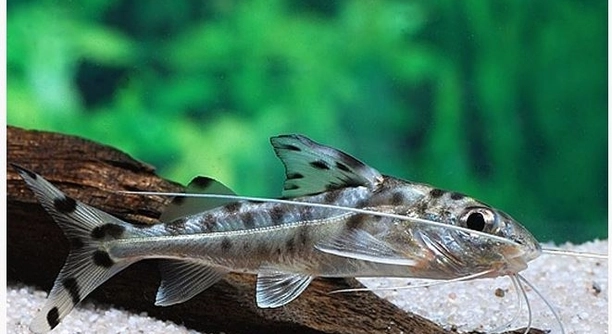
Do you ever notice how changes in the weather seem to affect your aquarium fish? Many fish owners wonder if their Pictus catfish respond to shifts in the air pressure around them. These fish are popular for their active nature and unique appearance.
Pictus catfish do react to changes in barometric pressure, though their responses are subtle. These fish may become more active or seek shelter when pressure drops, which often signals an approaching storm or change in weather conditions.
Understanding how barometric pressure influences Pictus catfish behavior can help you create a more comfortable environment for them. This knowledge may improve your fish-keeping experience and promote healthier aquatic life.
How Barometric Pressure Affects Fish Behavior
Fish, including Pictus catfish, rely on their senses to detect changes in their environment. Barometric pressure changes often signal shifts in weather, such as storms or calm conditions. When pressure drops, it usually means a storm is coming. Fish may react by becoming more active or hiding. This behavior is a natural response to help them stay safe. In the wild, sudden weather changes could mean danger, so fish use pressure changes as an early warning system. In an aquarium, these shifts might be less noticeable, but sensitive fish like Pictus catfish can still pick up on them. They may swim more erratically or find shelter among plants and decorations. This reaction shows their natural instincts are still at work even in captivity. Understanding this helps fish owners anticipate changes in their fish’s behavior and provide a stable environment.
Fish sensitivity to pressure changes varies by species, but Pictus catfish are known to be moderately responsive.
Recognizing these behavior changes can help you adjust tank care, like avoiding sudden disruptions or stress. Keeping water conditions stable during pressure shifts will support your catfish’s well-being.
Signs Your Pictus Catfish Is Reacting
Pictus catfish may show specific signs when barometric pressure changes. You might notice them swimming more quickly or hiding more often than usual. Some catfish become restless, while others stay still and avoid light. These signs are subtle but meaningful. Changes in behavior often last until the pressure stabilizes again. Watching your fish carefully can reveal patterns linked to weather changes. Knowing these signs helps you respond appropriately by keeping the tank calm. Avoid sudden feeding or water changes during these times, as stress can add up. Observing your catfish’s reactions over time builds a better understanding of their needs. Adjusting your routine around these natural behaviors makes for a healthier and more comfortable environment. This care benefits not only your catfish but the entire aquarium community. Being mindful of these details shows good fish-keeping practice and respect for your aquatic pets.
Managing Stress in Pictus Catfish During Pressure Changes
Stress in Pictus catfish can increase when barometric pressure shifts. This stress may cause health problems if it lasts too long. Keeping their environment stable helps reduce this stress.
To manage stress, maintain consistent water quality and temperature. Sudden changes in lighting or tank maintenance should be avoided during low-pressure periods. Providing plenty of hiding spots helps catfish feel secure. Watching for signs of stress, like loss of appetite or unusual swimming, allows early action. Reducing noise and vibrations near the tank can also make a difference. Small adjustments in care during these times support your catfish’s health and comfort. These efforts create a calm environment where fish can adjust naturally.
Feeding should be kept regular but light when pressure changes. Overfeeding can add to stress and water quality problems. Instead, give smaller meals and monitor how your catfish respond.
Tools to Monitor and Respond to Barometric Pressure
Using a barometer helps track pressure changes outside your home. This information allows you to prepare for your catfish’s behavioral shifts. Knowing when pressure will drop means you can avoid stressful tank changes.
Barometers are inexpensive and easy to use. Some smart home devices also include pressure sensors with alerts. Keeping a journal of your catfish’s behavior alongside pressure readings can reveal patterns. This helps you predict how they react to specific pressure levels. With this knowledge, you can plan maintenance and feeding schedules better. Preparing your tank environment before pressure shifts reduces stress on your fish. Combining monitoring tools with attentive care creates a stable habitat for your Pictus catfish. Over time, this approach helps maintain healthier and more active fish.
Preparing Your Tank for Weather Changes
Keeping your tank stable helps your Pictus catfish handle pressure shifts better. Regular water checks and gentle water changes create a calm environment. Avoid making big changes when you notice the weather changing outside.
Adding plants and decorations gives your catfish places to hide and feel safe. This reduces stress during unsettled weather. A quiet, low-traffic area for the tank also helps.
Observing Long-Term Behavior Patterns
Tracking your catfish’s reactions over weeks or months reveals how they respond to pressure changes. You might notice increased activity before storms or hiding during low pressure. This information helps tailor your care routine. Recording feeding habits, swimming patterns, and water conditions alongside weather data builds a helpful reference. Consistent observation improves your ability to meet your catfish’s needs during these natural changes.
Benefits of Stable Aquarium Conditions
Stable conditions reduce stress and support your catfish’s immune system. A balanced environment leads to healthier, more active fish that live longer and thrive.
FAQ
Do Pictus catfish always react to changes in barometric pressure?
Not always. Pictus catfish tend to react more noticeably when there are significant drops in pressure, such as before a storm. Minor fluctuations might not cause any visible changes. Each fish can also have a slightly different sensitivity, so reactions vary.
What behaviors indicate my Pictus catfish is stressed due to pressure changes?
Common signs include hiding more often, swimming erratically, or staying very still. Some catfish may lose interest in food during these times. These behaviors usually last until the pressure stabilizes, after which the fish return to normal activity.
How long do Pictus catfish typically show these behaviors?
Their responses generally last from a few hours up to a couple of days. Once the barometric pressure returns to a normal range, the catfish tend to settle down. Prolonged stress can be a concern, so maintaining good tank conditions helps reduce the duration.
Can I do anything to prevent my catfish from reacting to pressure changes?
You can’t stop their natural reactions, but you can minimize stress. Keep tank water stable, avoid sudden noises or light changes, and provide hiding spots. Monitoring pressure with a barometer helps you prepare by avoiding unnecessary tank maintenance during pressure shifts.
Does barometric pressure affect other fish species in the aquarium?
Yes, many fish species respond to pressure changes, but the intensity varies. Some species are more sensitive than others. Observing your entire tank during weather changes can help you understand how your fish community behaves.
Is it safe to feed my Pictus catfish during pressure drops?
Feeding lightly during these times is best. Overfeeding when the fish are stressed can worsen water quality and cause digestive problems. Offer small amounts and watch if your catfish eats normally. Skip feeding if your fish show no interest.
Are there specific tank setups that help reduce pressure-related stress?
Tanks with plenty of plants, hiding spots, and stable water parameters reduce stress. Keeping the aquarium in a quiet place away from heavy foot traffic or loud sounds also helps. Stable lighting that mimics natural day and night cycles supports fish well-being.
How can I track barometric pressure easily at home?
A simple home barometer or smartphone weather apps with pressure readings can help. Some smart home devices send alerts for pressure changes. Recording your fish’s behavior alongside pressure data gives valuable insights into their reactions.
What should I do if my Pictus catfish shows prolonged stress signs?
First, check water quality and temperature to ensure they are stable. Make sure the tank is clean and free of harmful chemicals. If stress continues, consider consulting an aquatic veterinarian or experienced fish keeper. Sometimes health issues can worsen under stress.
Can changes in barometric pressure cause illness in Pictus catfish?
Pressure changes themselves don’t cause illness, but the stress they create can weaken the immune system. This makes fish more vulnerable to infections and diseases. Maintaining good tank hygiene and stable conditions helps prevent illness during these periods.
Changes in barometric pressure can influence the behavior of Pictus catfish in noticeable ways. These fish often respond to drops in pressure by becoming more active, hiding, or showing signs of stress. Understanding this connection can help fish owners better care for their pets by anticipating changes in behavior and making adjustments to the tank environment. While the reactions may seem small, they are important indicators of how sensitive these fish are to their surroundings. Recognizing these responses allows for a more comfortable and stable home for your catfish.
Creating a calm and steady environment is key to helping Pictus catfish manage stress related to pressure changes. Maintaining stable water conditions, providing plenty of hiding spots, and minimizing sudden disruptions will reduce anxiety in your fish. Avoiding major tank maintenance or feeding large amounts during low-pressure times is also beneficial. By paying attention to the natural rhythms of weather and how they affect your catfish, you can support their well-being and keep them healthy. This thoughtful care leads to a happier and longer life for your aquatic pets.
Keeping track of your catfish’s behavior alongside barometric pressure readings can improve your understanding of their needs. Using tools like home barometers or weather apps allows you to prepare for upcoming weather changes and adjust your tank care accordingly. Over time, this awareness helps create a more balanced aquarium environment that reduces stress and encourages natural behavior. Taking these steps makes it easier to enjoy watching your Pictus catfish thrive and stay healthy no matter what changes happen outside the tank.

Hello,
If you enjoy the content that we create, please consider saying a "Thank You!" by leaving a tip.
Every little bit helps us continue crafting quality advice that supports the health, happiness, and well-being of pets around the world, for pets of all shapes, sizes, and species.
We really appreciate the kindness and support that you show us!