
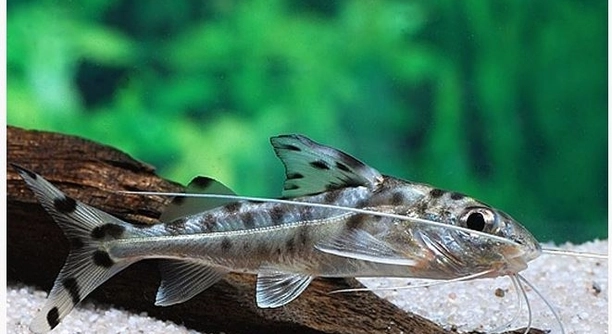
Many fish owners enjoy keeping Pictus Catfish because of their lively nature and interesting patterns. These freshwater fish are popular in home aquariums. Understanding their care needs helps keep them healthy and happy in the tank.
Pictus Catfish prefer warm water, typically between 75°F and 82°F (24°C to 28°C). Maintaining this temperature range supports their metabolism, activity, and overall well-being in captivity. Cooler water can stress the fish and reduce their lifespan.
Knowing the ideal water temperature for Pictus Catfish can improve how you care for them. Proper temperature helps them thrive and interact naturally in your aquarium environment.
Ideal Water Temperature for Pictus Catfish
Keeping Pictus Catfish in the right temperature range is essential for their health. These fish do best in warm water, usually between 75°F and 82°F. When the water is too cold, their metabolism slows down, and they become less active. They might also be more prone to illness. On the other hand, water that is too warm can lower the oxygen levels in the tank, which stresses the fish. To maintain the proper temperature, using an aquarium heater with a reliable thermostat is helpful. Regularly checking the water temperature with a thermometer ensures it stays within the right range. Stable conditions reduce stress and help the fish maintain their natural behavior. A well-maintained environment supports their immune system and overall lifespan, giving them the best chance to thrive in your care.
Temperature control is a key part of aquarium maintenance for healthy Pictus Catfish.
Balancing warmth and oxygen is important. Water that is too warm can reduce oxygen, so proper aeration is also needed.
Signs Your Pictus Catfish Is Uncomfortable
Pictus Catfish show clear signs when the water temperature is not right. They may become lethargic or hide more often. If the water is too cold, you might notice slow swimming and less interest in food. When it’s too warm, they could gasp near the surface or show rapid gill movement. Sometimes, they may develop stress-related illnesses like fin rot or fungal infections if conditions stay poor for too long. Watching how they behave daily helps catch these signs early. Adjusting the temperature and improving water quality can often reverse these issues. A stable environment promotes healthy activity and vibrant colors in the fish. Regular monitoring and timely action keep them comfortable and healthy in your aquarium.
Temperature Fluctuations and Their Impact
Sudden temperature changes can harm Pictus Catfish. Stability is important to avoid stress and health problems.
Rapid shifts in water temperature shock the fish and can weaken their immune system. This makes them vulnerable to infections and diseases. Even small drops or rises outside their preferred range affect their behavior and appetite. Keeping the temperature steady prevents these issues and supports their natural activity. Using a heater with a thermostat and placing the tank away from drafts or direct sunlight helps maintain consistent warmth.
Inconsistent temperatures cause stress, which may show as erratic swimming or hiding. Stress lowers resistance to illness and slows growth. Long-term fluctuations can shorten their lifespan. Regular temperature checks and avoiding sudden water changes keep the environment safe and comfortable for Pictus Catfish.
Ideal Tank Setup for Temperature Control
Choosing the right tank setup helps manage water temperature effectively. A well-insulated aquarium prevents heat loss and reduces the risk of fluctuations. Adding a reliable heater with an adjustable thermostat is essential for maintaining a steady temperature. Proper placement of the tank away from windows or heating vents avoids unwanted temperature swings. Using a thermometer to monitor conditions daily ensures you catch any changes early.
Aeration and filtration systems also support stable water conditions. Good water flow evenly distributes heat and oxygen. Combining these elements creates a balanced environment where Pictus Catfish can thrive without stress from temperature changes. A well-planned setup reduces the effort needed to maintain perfect conditions and keeps your fish healthy.
Effects of Water Temperature on Feeding Behavior
Pictus Catfish tend to eat more when the water temperature is within their ideal range. Cooler water can slow their metabolism, reducing appetite.
When temperatures drop, feeding frequency and quantity usually decrease. This can lead to weight loss and lower energy levels in the fish.
Adjusting Feeding Based on Temperature
It’s important to adjust how much and how often you feed your Pictus Catfish depending on the water temperature. During warmer periods, their metabolism speeds up, so they need more food. In cooler water, feeding less often prevents uneaten food from polluting the tank. Observing your fish’s behavior helps guide feeding amounts. Providing a balanced diet supports their health through temperature changes and keeps them active and strong.
Seasonal Temperature Changes
Seasonal shifts can impact aquarium temperature, affecting your Pictus Catfish. Using heaters or coolers helps maintain stability during these changes.
Signs of Temperature-Related Stress
Watch for unusual behavior like hiding, reduced movement, or changes in color, which may indicate temperature stress.
FAQ
What is the best water temperature for Pictus Catfish?
The best temperature range for Pictus Catfish is between 75°F and 82°F (24°C to 28°C). Staying within this range supports their metabolism and keeps them active and healthy. Temperatures outside this range can cause stress and health issues.
Can Pictus Catfish survive in cooler water?
They can survive in cooler water but will become less active and may stop eating well. Cooler temperatures slow down their metabolism and can make them more vulnerable to disease. It’s best to avoid temperatures below 72°F (22°C).
What happens if the water gets too warm?
Water that is too warm reduces the oxygen available, which can stress the fish. Overheated water can cause rapid breathing, lethargy, and increase the chance of illness. It’s important to keep water below 82°F (28°C) to avoid these problems.
How do I maintain stable water temperature?
Use an aquarium heater with a reliable thermostat and place the tank away from drafts, windows, or heating vents. Regularly check the temperature with a thermometer and avoid sudden water changes. These steps help keep temperature steady and comfortable for your fish.
Does water temperature affect Pictus Catfish feeding?
Yes. Warmer water increases their metabolism, so they eat more. Cooler water slows their metabolism, reducing their appetite. Adjust feeding based on temperature to prevent overfeeding or underfeeding.
Can temperature changes cause diseases in Pictus Catfish?
Yes. Sudden or extreme temperature changes weaken their immune system, making them prone to infections like fin rot or fungal issues. Keeping a stable temperature helps prevent these health problems.
How do I know if my Pictus Catfish is stressed due to temperature?
Look for signs like hiding, slow swimming, loss of appetite, rapid gill movement, or unusual color changes. These behaviors indicate discomfort and a need to check the tank’s temperature and water quality.
Is it necessary to aerate the tank when keeping Pictus Catfish in warmer water?
Yes. Warmer water holds less oxygen, so using an air pump or a good filter that creates water movement is important. Aeration helps keep oxygen levels stable and supports your fish’s health.
Can seasonal changes affect my Pictus Catfish’s tank temperature?
Absolutely. Seasonal shifts in room temperature can cause the aquarium temperature to rise or fall. Using heaters in winter and cooling options in summer helps maintain the right conditions year-round.
How often should I check the water temperature?
Daily temperature checks are recommended. This helps catch any fluctuations early and keeps your Pictus Catfish in a safe and stable environment. A digital thermometer makes this task easy and accurate.
What type of heater is best for maintaining temperature?
A heater with an adjustable thermostat is ideal. It lets you set the temperature precisely and automatically turns on or off to keep water stable. Avoid cheap heaters without controls, as they can cause temperature swings.
Can I use a heater without a thermostat?
It’s not recommended. Heaters without thermostats can overheat the water, causing dangerous temperature spikes. A thermostat ensures your tank stays within the safe range for your fish.
Are there any other factors besides temperature that affect Pictus Catfish health?
Yes. Water quality, proper filtration, diet, and tank size all impact their well-being. Temperature is important, but these factors work together to keep your fish healthy.
How do I adjust feeding if the temperature drops?
Feed less often when the temperature drops because the fish’s metabolism slows down. Overfeeding in cooler water can lead to uneaten food, which pollutes the tank.
Can Pictus Catfish live with other fish that prefer different temperatures?
It depends on the overlap of temperature ranges. Pictus Catfish do best with fish that tolerate similar warm water conditions. Mixing fish with very different needs can cause stress and health problems.
What temperature is too extreme for Pictus Catfish?
Temperatures below 70°F (21°C) or above 85°F (29°C) are considered extreme and harmful. Prolonged exposure to these temperatures can cause illness or death.
Should I use a backup heater or cooling system?
If you live in an area with extreme temperature swings or unreliable power, a backup system is helpful. It provides safety and keeps your tank stable during outages or heat waves.
Does water temperature affect Pictus Catfish breeding?
Yes. Stable, warm water encourages breeding behaviors. Sudden changes or cooler temperatures can stop breeding activity. Maintaining the right temperature is important for successful spawning.
How quickly should I change the water temperature if needed?
Temperature changes should be gradual, no more than 2°F (1°C) per hour. Sudden shifts stress fish and can cause health problems. Use a heater or cooler to adjust temperature slowly.
What is the role of tank placement in temperature control?
Tank placement affects temperature stability. Avoid placing tanks near windows, doors, or heat sources. Choose a location with consistent room temperature to reduce fluctuations.
How can I tell if my heater is working properly?
Check the thermometer regularly. If the water temperature drops below or rises above the set point, the heater might be faulty. Also, look for signs like no heat or overheating. Replace or repair if needed.
Is it okay to turn the heater off during the day?
Generally, it’s better to keep the heater on continuously to maintain stable temperature. Turning it off can cause fluctuations, which stress the fish.
Can temperature affect Pictus Catfish behavior besides feeding?
Yes. Temperature influences activity levels, social behavior, and overall energy. Warm water usually means more movement, while cold water leads to lethargy and hiding.
How do I prevent temperature-related stress during water changes?
Use water that matches the tank temperature closely. Slowly add the new water to avoid shocking your fish. Sudden temperature changes during water changes are a common cause of stress.
Are Pictus Catfish sensitive to temperature changes compared to other fish?
They are moderately sensitive. While they tolerate slight variations, large or sudden changes affect them more than some hardier species. Stability is key to their health.
What’s the best way to monitor temperature changes over time?
Use a digital thermometer with memory or a temperature logger. These tools track changes automatically, helping you notice trends or sudden shifts before they harm your fish.
Can a power outage affect my Pictus Catfish due to temperature?
Yes. Without a heater running, tank temperature can drop quickly in cold environments. A backup power source or portable heater helps protect your fish during outages.
Maintaining the right water temperature is essential for keeping Pictus Catfish healthy and active. These fish prefer warm water, generally between 75°F and 82°F. When their environment stays within this range, they can swim comfortably, eat well, and show their natural behavior. If the temperature falls too low or rises too high, it can cause stress and lead to health problems. Stress makes fish more likely to get sick and can shorten their lifespan. That’s why it is important to monitor and control the temperature carefully, using tools like heaters, thermostats, and thermometers.
Keeping a stable temperature is just as important as setting the right temperature. Sudden changes or wide fluctuations can shock the fish and weaken their immune system. This often happens during water changes or when the tank is placed near windows, vents, or drafts. To avoid this, it’s a good idea to place the aquarium in a quiet, temperature-controlled room, away from direct sunlight or cold air. Using an aquarium heater with a reliable thermostat helps maintain a steady warmth. It also helps to check the temperature daily, especially if the seasons are changing. This way, you can catch any problems early and keep your fish comfortable.
Along with temperature, other factors like water quality, proper feeding, and tank setup play a role in Pictus Catfish’s health. But temperature is one of the easiest things to control and often has a big impact. By paying attention to the ideal range and avoiding sudden swings, you help your fish live a longer, happier life. Watching how your Pictus Catfish behaves and adjusting care based on their needs will make your aquarium a better home for them. Taking these steps shows care and responsibility, helping you enjoy watching these lively fish thrive in your tank.

Hello,
If you enjoy the content that we create, please consider saying a "Thank You!" by leaving a tip.
Every little bit helps us continue crafting quality advice that supports the health, happiness, and well-being of pets around the world, for pets of all shapes, sizes, and species.
We really appreciate the kindness and support that you show us!