
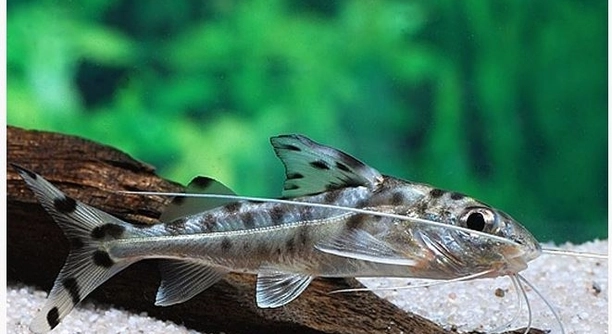
Pictus catfish are popular freshwater fish known for their active swimming and peaceful nature. Many aquarium owners wonder about the best way to create a comfortable environment for these fish. Understanding their needs helps ensure a healthy and happy tank.
Pictus catfish do not strictly require plants to feel safe, but the presence of plants can provide shelter and reduce stress. Plants offer hiding spots and mimic their natural habitat, promoting a sense of security and well-being.
Providing the right environment can improve your catfish’s overall health and behavior in the aquarium setting. This article explores the role of plants in their comfort and safety.
Natural Habitat and Comfort
Pictus catfish come from rivers and streams in Southeast Asia, where plants and hiding spots are common. In their natural habitat, they rely on dense vegetation to feel protected from predators. This natural environment helps them stay calm and active. Without sufficient cover, they may become stressed, which can affect their health and behavior. While they can adapt to tanks without plants, adding greenery can simulate their original surroundings. Plants also help maintain water quality by absorbing nitrates and providing oxygen. This combination of shelter and cleaner water creates a more comfortable setting for Pictus catfish to thrive.
In aquariums, replicating natural conditions supports the fish’s well-being. A tank with plants offers a better habitat than a bare tank.
Using a mix of live or artificial plants can give your Pictus catfish places to hide and explore, improving their overall tank experience.
Choosing the Right Plants
Low-maintenance plants are ideal for tanks with Pictus catfish. Hardy species like Java fern, Anubias, and Amazon sword tolerate various water conditions and are less likely to be damaged by active fish. These plants have sturdy leaves that can withstand occasional nibbling or digging.
Adding floating plants can also provide shaded areas and reduce bright lighting, which Pictus catfish appreciate. This subtle dimming helps mimic their natural environment, reducing stress. Ensuring plants are well-anchored prevents uprooting during swimming or digging. Healthy plants contribute to a balanced aquarium ecosystem by supporting beneficial bacteria and improving water quality. Overall, the right plants enhance safety, comfort, and tank health for Pictus catfish, making them a valuable addition to any setup.
Benefits of Plants for Pictus Catfish
Plants offer shelter that helps reduce stress for Pictus catfish. They provide hiding places where the fish can retreat when feeling threatened or tired. This makes the tank environment less intimidating and more natural.
Plants also improve water quality by absorbing waste products and producing oxygen. This creates a healthier living space, reducing toxins that can harm fish. Furthermore, plants add texture and variety, encouraging natural behavior like exploring and resting among leaves. This stimulation can keep Pictus catfish active and engaged, promoting better overall health. Even artificial plants provide some of these benefits by offering cover and visual interest.
By adding plants, you enhance both the physical environment and the psychological comfort of your fish, which contributes to a more balanced and enjoyable aquarium.
Tank Setup Tips for Pictus Catfish
Pictus catfish prefer tanks with plenty of open swimming space combined with some planted areas for hiding. A tank size of at least 30 gallons is recommended to allow enough room for movement and exploration. Soft, sandy substrate works best, as these fish like to sift through the bottom without damaging their barbels.
Lighting should be moderate, not too bright, to mimic their natural environment. Floating plants or shaded spots help reduce stress caused by strong light. Proper filtration is essential to maintain clean water, but the flow should be gentle to avoid tiring the fish. A few driftwood pieces or rocks can also provide additional hiding spots and natural textures.
Keeping these factors in mind creates a comfortable, low-stress habitat that supports the well-being of Pictus catfish in captivity.
Plant Maintenance for Pictus Catfish Tanks
Regular maintenance keeps plants healthy and the tank clean. Trimming dead leaves and removing debris prevents decay that can harm water quality.
Monitoring plant health also helps spot issues like algae growth or nutrient deficiencies early. Healthy plants contribute to a stable environment for your fish.
Alternatives to Live Plants
If live plants are not an option, artificial plants can provide similar hiding spots. They require no maintenance and won’t affect water quality.
However, artificial plants lack the natural filtration benefits of live plants. Combining both types can offer visual appeal and functional shelter for Pictus catfish.
Signs Your Catfish Feels Unsafe
Restlessness, hiding excessively, or reduced activity may indicate stress. These behaviors suggest your fish might feel exposed or threatened.
Creating more hiding places and adjusting tank conditions can help your Pictus catfish feel more secure and comfortable.
FAQ
Do Pictus catfish need plants to survive?
Pictus catfish do not need plants to survive, but plants do improve their environment. They provide shelter and comfort, which helps reduce stress. Without plants, these fish can still live healthily if other hiding spots and proper tank conditions are provided.
Can Pictus catfish live in a tank without any plants?
Yes, they can live without plants as long as the tank has sufficient hiding spots like caves, driftwood, or decorations. The key is to offer places where the fish feel safe to retreat when needed.
What types of plants are best for Pictus catfish tanks?
Hardy plants like Java fern, Anubias, and Amazon sword are excellent choices. They withstand a variety of water conditions and have tough leaves that resist damage from fish activity. Floating plants can also help by creating shaded areas.
Are live plants better than artificial plants for Pictus catfish?
Live plants offer additional benefits like oxygen production and nitrate absorption, which improve water quality. Artificial plants provide shelter but don’t contribute to tank health. Combining both can create a balanced setup.
How do plants help reduce stress in Pictus catfish?
Plants mimic the natural habitat and offer places to hide. This gives the fish a sense of security and control over their environment, lowering stress levels and encouraging natural behaviors.
Can Pictus catfish damage live plants?
Pictus catfish are generally gentle and unlikely to damage tough plants. However, they may dig in the substrate, which can uproot plants. Using well-anchored or heavy-rooted plants can prevent this.
How often should I maintain plants in a Pictus catfish tank?
Regular maintenance like trimming dead leaves and removing debris should be done weekly or biweekly. This keeps plants healthy and prevents decay that can affect water quality.
Do Pictus catfish prefer bright or dim lighting?
They prefer moderate to dim lighting. Bright lights can cause stress, so adding floating plants or shaded areas helps create a comfortable environment.
Can adding plants improve breeding conditions for Pictus catfish?
Plants provide hiding spots that can encourage breeding behavior by giving a safe space for eggs and fry. They also help maintain water quality, which is important during breeding.
Is substrate important when keeping Pictus catfish with plants?
Yes, a soft substrate like sand is best. It allows the catfish to sift through without damaging their sensitive barbels. It also supports plant roots better than rough gravel.
What should I do if my plants keep dying in my Pictus catfish tank?
Check water parameters, lighting, and nutrient levels. Poor conditions can cause plants to die. Adjusting these factors or switching to hardier plants can help maintain a healthy tank.
Are there any signs that show plants are benefiting my Pictus catfish?
Fish that swim more actively, explore the tank, and hide less often may be more comfortable. Healthy plants and reduced stress signs usually go hand in hand.
Can too many plants cause problems in a Pictus catfish tank?
Excessive plants can reduce swimming space and affect oxygen levels if not maintained properly. Balance is key to providing both shelter and room for activity.
How can I anchor plants to prevent uprooting by Pictus catfish?
Use plant weights, pots, or tie plants to driftwood or rocks. This keeps roots secure even if the fish dig or swim vigorously around the substrate.
What other decorations work well with plants for Pictus catfish?
Driftwood, caves, and rocks create additional hiding spots and add natural textures. Combined with plants, these decorations offer a varied and secure environment for the fish.
Pictus catfish can live comfortably with or without plants in their tank. While plants are not a strict necessity, they provide several benefits that help improve the fish’s overall well-being. Plants offer natural hiding spots that reduce stress by giving the catfish places to retreat. This sense of security is important because it allows the fish to feel safer in their environment. Without these hiding places, Pictus catfish may become more skittish or stressed, which can affect their behavior and health. In addition to shelter, plants contribute to better water quality by absorbing harmful substances and producing oxygen. This creates a healthier environment that supports the fish’s longevity.
Choosing the right plants for a Pictus catfish tank is important. Hardy, low-maintenance species like Java fern and Anubias work well because they tolerate various water conditions and resist damage. Floating plants can also be added to provide shaded areas and reduce bright light, which these fish prefer. Maintaining plants regularly by trimming dead leaves and removing debris keeps the tank clean and prevents water problems. For those who cannot keep live plants, artificial ones still offer hiding spots, though they lack the natural filtration benefits. A balanced tank includes good filtration, proper lighting, suitable substrate, and some form of shelter, whether plants or decorations, to create a safe and comfortable space for Pictus catfish.
In the end, providing an environment that meets the basic needs of Pictus catfish helps ensure their health and happiness. Plants can play a key role in this, but they are one part of a broader setup that includes water quality, tank size, and hiding places. Paying attention to these factors reduces stress and encourages natural behaviors, such as exploring and resting. Whether you choose live plants, artificial plants, or other decorations, the goal is to create a calm, secure habitat that supports your catfish’s well-being over time. This approach allows the fish to thrive and adds to the enjoyment of maintaining a balanced aquarium.

Hello,
If you enjoy the content that we create, please consider saying a "Thank You!" by leaving a tip.
Every little bit helps us continue crafting quality advice that supports the health, happiness, and well-being of pets around the world, for pets of all shapes, sizes, and species.
We really appreciate the kindness and support that you show us!