
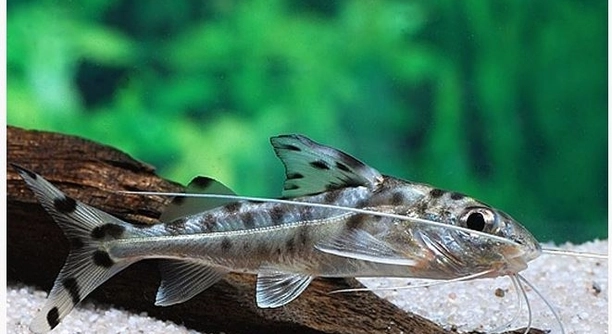
Do you keep Pictus Catfish in your aquarium and want to ensure they thrive? These active fish need a well-maintained environment to stay healthy and comfortable in your tank. Proper care involves attention to their oxygen needs and water quality.
Pictus Catfish do not specifically require air stones, but adding them can improve oxygen levels and water circulation in the tank. Air stones help maintain adequate dissolved oxygen, which supports the fish’s respiration and overall health, especially in densely stocked aquariums.
Knowing how to manage your tank’s oxygen supply will enhance your Pictus Catfish’s well-being. This article explains the role of air stones and offers practical advice for maintaining a healthy aquatic environment.
Understanding the Role of Air Stones in Aquariums
Air stones create bubbles that increase oxygen exchange in aquarium water. This process is important because fish like Pictus Catfish rely on dissolved oxygen to breathe. While many tanks have filtration systems that also help oxygenate the water, air stones provide additional aeration. They improve water movement and prevent areas of stagnation. This can be especially helpful in tanks with limited surface agitation or heavy stocking. The bubbles from air stones also encourage gas exchange at the water surface, helping to remove harmful gases such as carbon dioxide. However, air stones are not a strict requirement if the tank is already well-oxygenated through filtration and surface movement. Proper tank maintenance, including regular water changes and cleaning, often ensures enough oxygen for the fish. Still, adding an air stone can be a simple way to boost oxygen levels and create a healthier environment for Pictus Catfish.
Adding an air stone is a low-cost and easy method to increase oxygen without major changes to your tank setup.
Good oxygen levels reduce stress in Pictus Catfish, promoting better activity and feeding behavior. However, too much bubbling can stress them out, so balance is important. Placement of the air stone matters; near the filter outflow or in a less disturbed area can work best. Air stones should be cleaned or replaced regularly to avoid clogging. If your tank is heavily planted or densely stocked, an air stone can help maintain consistent oxygen throughout the water. While Pictus Catfish are quite adaptable, providing adequate aeration supports their health and longevity.
When Air Stones Are Not Necessary
In tanks with strong filters and good surface agitation, air stones may be unnecessary. Proper water circulation already maintains oxygen levels well. If your tank water shows no signs of low oxygen—such as fish gasping at the surface or lethargy—adding an air stone might not make a noticeable difference.
Filtration systems with sponge or power filters push water movement that breaks the surface, encouraging oxygen absorption naturally. Regular maintenance and water changes keep oxygen levels stable. If you prefer a quieter tank or want to avoid extra equipment, focusing on filter performance and tank cleanliness often suffices. This helps avoid unnecessary stress caused by excess bubbles or water disturbance. Observing your Pictus Catfish’s behavior is key to determining if additional aeration is needed.
Placement and Maintenance of Air Stones
Proper placement of air stones ensures they work effectively without stressing your fish. Position them where bubbles can circulate throughout the tank but avoid areas with strong currents that may disturb Pictus Catfish.
Air stones should be placed near the bottom or mid-level of the tank for better oxygen distribution. Avoid placing them directly next to fragile plants or decorations that could be damaged by constant bubbling. It is important to regularly check and clean air stones because they can clog with mineral deposits or algae, reducing their efficiency. Cleaning can be done by soaking them in vinegar or replacing them every few months to keep airflow steady.
Maintenance is straightforward but essential. Neglecting to clean air stones can lead to uneven aeration and lower oxygen levels. Replacing or cleaning air stones improves water quality and supports your fish’s health, especially in tanks with high bioload or less filtration.
Signs Your Pictus Catfish Needs More Oxygen
If your Pictus Catfish frequently come to the water surface, gasping for air, this often indicates low oxygen levels in the tank. Other signs include lethargy, slow movement, or loss of appetite.
Low oxygen is usually caused by poor water circulation or overcrowding. Sudden changes in water temperature or poor water quality can also reduce oxygen availability. Monitoring your fish’s behavior daily helps you catch these early signs. Adding an air stone or improving filtration can quickly relieve oxygen stress.
Maintaining proper oxygen levels is vital for your Pictus Catfish’s well-being. If symptoms persist, testing water parameters and improving tank conditions is necessary. Adjusting aeration based on your fish’s needs will help keep them active and healthy.
Choosing the Right Air Stone Size
Air stones come in different sizes, which affect the amount of bubbles they produce. For Pictus Catfish tanks, medium-sized air stones usually work best.
A smaller air stone may not provide enough oxygen, while a very large one can create too much water movement, stressing the fish. Choosing the right size helps balance oxygen supply and comfort.
Alternatives to Air Stones
Besides air stones, sponge filters and power filters also help oxygenate water. These options can provide both filtration and aeration simultaneously.
Sponge filters are gentle and suitable for smaller tanks, while power filters offer strong water movement and oxygen exchange. Choosing the right filtration system can reduce the need for additional aeration devices.
Using Air Pumps with Air Stones
Air pumps drive air through the air stones to create bubbles. The pump’s strength should match the size of the air stone and tank volume.
A pump that is too strong can cause excessive bubbling and stress the fish, while a weak pump may not improve oxygen levels sufficiently. Proper matching ensures efficient aeration.
FAQ
Do Pictus Catfish absolutely need air stones?
Pictus Catfish do not absolutely need air stones if your tank has good filtration and surface movement. These fish get oxygen from the water, and a well-maintained filter usually provides enough aeration. However, air stones can help increase oxygen levels, especially in tanks with many fish or poor water circulation.
Can too much aeration harm Pictus Catfish?
Yes, too much aeration can stress Pictus Catfish. Excessive bubbles or strong currents from air stones or pumps may disturb their swimming and resting patterns. These fish prefer moderate water flow and can become agitated if the water is too turbulent. Balance is important to provide enough oxygen without creating harsh conditions.
How often should air stones be cleaned or replaced?
Air stones should be cleaned every 2 to 4 weeks to prevent clogging from mineral buildup or algae. Soaking them in vinegar can remove deposits. Replacement is recommended every 3 to 6 months, depending on the air stone quality and tank conditions. Keeping air stones clean ensures efficient oxygen delivery.
Are there alternatives to air stones for oxygenating the tank?
Yes, alternatives like sponge filters and power filters also oxygenate the water while filtering out waste. Sponge filters provide gentle aeration and are good for smaller tanks. Power filters create water movement and surface agitation that increases oxygen exchange. These can reduce or eliminate the need for separate air stones.
What signs show my Pictus Catfish lacks oxygen?
If your Pictus Catfish gasp at the surface, stay inactive, or eat less, oxygen levels may be low. These fish need well-oxygenated water to stay healthy and active. Observing changes in behavior can help you spot oxygen problems early. Regular water testing and tank maintenance can prevent this.
Can air stones help with water circulation in the tank?
Yes, air stones help circulate water by creating bubbles that move throughout the tank. This movement prevents stagnant zones where oxygen might be low. Better circulation supports waste removal and keeps the water quality stable, which benefits Pictus Catfish and other tank inhabitants.
Is it better to use multiple small air stones or one large air stone?
Using multiple small air stones can provide more even oxygen distribution across the tank. One large air stone may create strong bubbling in one area but leave other parts still. Spreading out aeration helps maintain consistent oxygen levels and reduces stress for your fish.
How do I choose the right air pump for my air stone?
Choose an air pump that matches your tank size and air stone capacity. A pump that is too strong causes excessive bubbling, while a weak pump will not provide enough air. Checking the pump’s output and adjusting the airflow with a valve can help find the right balance.
Will plants reduce the need for air stones in a Pictus Catfish tank?
Live plants produce oxygen during photosynthesis, which can help oxygenate the tank during the day. However, at night plants consume oxygen, which may reduce overall levels. Plants alone usually do not replace the need for aeration devices like air stones or good filtration.
Can Pictus Catfish survive in low-oxygen environments?
Pictus Catfish can tolerate moderate variations in oxygen but prolonged low oxygen is harmful. Without enough oxygen, their metabolism slows, and they become weak or prone to disease. Ensuring consistent oxygen levels through proper tank setup is critical for their health.
Does water temperature affect oxygen levels for Pictus Catfish?
Yes, warmer water holds less oxygen, so oxygen levels drop as temperature rises. Since Pictus Catfish prefer tropical temperatures, aeration becomes even more important in warmer tanks to maintain enough dissolved oxygen for breathing.
Should air stones be left on 24/7?
It is generally best to keep air stones running continuously to maintain steady oxygen levels. Turning them off for long periods can cause oxygen to drop, stressing your fish. However, in tanks with strong filtration and good circulation, air stones can sometimes be off during cooler, less active times.
Are noisy air stones harmful?
Noise from air stones is not harmful to fish but can be annoying for people. Using quiet air pumps and placing the air stone away from the tank’s surface can reduce noise. The health of your Pictus Catfish will not be affected by sound levels from bubbling.
Can air stones help in emergency situations like power outages?
Air stones require an air pump, which depends on electricity. In a power outage, they won’t function unless connected to a battery backup. For emergencies, manual aeration or battery-operated pumps can help maintain oxygen until power returns.
What type of air stones are best for Pictus Catfish tanks?
Fine-pore air stones produce smaller bubbles that increase oxygen transfer efficiently without creating strong currents. These are usually better for Pictus Catfish because they prefer gentle water movement. Coarse air stones make larger bubbles and stronger water flow, which may stress the fish.
How can I reduce stress caused by air stone bubbles?
Place the air stone where bubbles gently rise without pushing directly on fish hiding spots. Using bubble curtains or diffusers can soften water movement. Adjusting air pump flow to a lower rate helps keep aeration steady but calm for the fish’s comfort.
Pictus Catfish are lively and sensitive fish that benefit from a well-maintained aquarium environment. Oxygen levels play an important role in their health and comfort. While air stones are not absolutely necessary for every tank, they can provide valuable support by improving oxygen circulation and water movement. Many aquariums with good filtration and surface agitation do not need air stones, but adding one is an easy way to enhance water quality and ensure the fish have enough oxygen, especially in tanks with more fish or limited water flow.
When using air stones, it is important to consider their size, placement, and maintenance. Medium-sized air stones placed near the bottom or middle of the tank work well to distribute bubbles evenly without disturbing the fish. Regular cleaning or replacement keeps air stones functioning properly and prevents clogging, which can reduce oxygen levels. Proper aeration supports the natural behavior and activity of Pictus Catfish, making them more comfortable and less stressed in their environment. Observing your fish for signs of low oxygen, such as gasping or lethargy, will help you decide if air stones or other aeration methods are needed.
In the end, maintaining a balanced aquarium setup with good filtration, regular water changes, and proper aeration is key to keeping Pictus Catfish healthy. Air stones are a helpful tool but should be used thoughtfully to avoid excessive water movement or stress. Paying attention to your fish’s behavior and tank conditions ensures their needs are met. With the right care, your Pictus Catfish can thrive and remain active members of your aquarium community.

Hello,
If you enjoy the content that we create, please consider saying a "Thank You!" by leaving a tip.
Every little bit helps us continue crafting quality advice that supports the health, happiness, and well-being of pets around the world, for pets of all shapes, sizes, and species.
We really appreciate the kindness and support that you show us!