
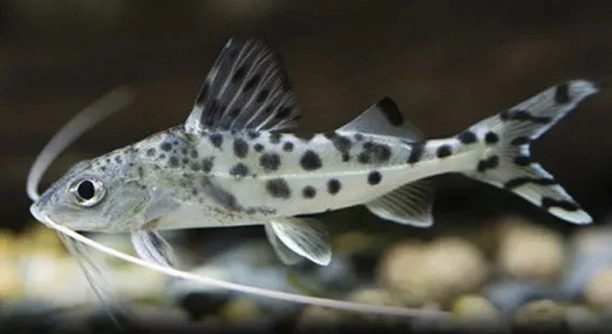
Pictus catfish are popular freshwater aquarium fish known for their active nature and peaceful temperament. Aquarists often wonder how changes in their environment, such as water level adjustments, affect these fish. Understanding their response to water changes helps maintain a healthy habitat.
Pictus catfish generally do not mind gradual changes in water levels as long as water quality remains stable and there are no sudden, extreme fluctuations. They adapt well to normal aquarium maintenance routines involving water changes and level adjustments.
Knowing how water level changes impact pictus catfish can help ensure their comfort and well-being in home aquariums. This article will provide useful insights for responsible fish care.
How Pictus Catfish React to Water Level Changes
Pictus catfish live in rivers and streams where water levels can shift naturally. In aquariums, these changes are usually smaller and more controlled. When water levels drop slowly during maintenance, pictus catfish typically adjust without stress. However, rapid or large changes can make them uncomfortable. These fish rely on stable water conditions for breathing and movement. If the water level is too low, they may have trouble swimming or reaching the surface for air. Sudden shifts can also affect water temperature and oxygen levels, which pictus catfish are sensitive to. Maintaining a steady environment with gradual water level changes helps them stay healthy. Keeping their tank clean and oxygenated reduces the impact of water changes. Watching their behavior during and after water level adjustments helps catch any signs of stress early. Most pictus catfish recover quickly if changes are made carefully and consistently.
Small, steady water level changes are best for pictus catfish’s comfort and health.
Observing pictus catfish closely during water adjustments is key to understanding their tolerance. If they hide more or seem restless, it may indicate stress from water changes. Adjusting the timing and speed of water level changes can improve their well-being. For example, using a slower water drainage method and refilling gradually mimics their natural environment more closely. This approach reduces sudden shifts in temperature and oxygen, which can upset their system. Consistent water quality, including pH and hardness, also supports their adaptation. It is important to avoid drastic water removals, as pictus catfish rely on stable conditions. Adding plants and decorations can provide hiding spots and help them feel secure during changes. Overall, careful water management supports the health and happiness of pictus catfish in home tanks.
Best Practices for Managing Water Levels in Pictus Catfish Tanks
Slow and controlled water changes help prevent stress in pictus catfish.
When adjusting water levels, always use a method that minimizes sudden fluctuations. Removing and adding water in small amounts over several hours is ideal. This keeps water parameters stable and helps maintain oxygen levels. Avoid changing more than 20-25% of the tank’s volume at once. Testing water quality before and after changes ensures the environment stays safe. Using a water conditioner can remove harmful chemicals from tap water. Maintaining a consistent temperature also prevents shock. If water levels drop due to evaporation, topping off regularly helps keep the tank stable. Keeping the tank covered reduces evaporation and sudden drops in water level. Monitoring your pictus catfish’s behavior daily can alert you to any problems early. Proper water management supports their natural behavior and reduces health risks.
Signs of Stress in Pictus Catfish Due to Water Level Changes
Pictus catfish show clear signs when stressed by sudden water level changes. They may hide more often, swim erratically, or become less active. Changes in appetite or increased gill movement can also indicate discomfort.
When pictus catfish are stressed by their environment, they often seek shelter behind plants or decorations. Erratic swimming or rapid movements might show they are trying to escape discomfort. Loss of appetite is another common sign, as stressed fish tend to eat less. Observing their breathing is important too; heavy or fast gill movements may signal low oxygen levels or poor water quality. If these behaviors last beyond a few hours after a water change, it’s important to check the tank conditions immediately. Stress can weaken their immune system, making them prone to illness.
It helps to keep water changes slow and consistent to avoid these problems. Monitoring the fish closely during adjustments allows for quick intervention. Adding hiding spots can reduce visible stress and improve their sense of safety. Small changes in behavior early on can prevent bigger health issues later. Careful observation is key to maintaining a calm environment for pictus catfish.
Maintaining Water Quality During Water Level Adjustments
Water quality must remain stable during any water level change to support pictus catfish health. Testing parameters such as pH, ammonia, nitrite, and nitrate levels before and after water changes is essential. Sudden shifts in these can cause stress or illness.
To maintain water quality, use treated water that matches the tank’s temperature and chemical balance. Avoid replacing large volumes of water at once, as this can alter the tank’s ecosystem drastically. Slowly adding water over time helps maintain balance and allows fish to adjust naturally. Regular partial water changes, about 20%, are best practice for long-term health. Keeping the filter clean but not over-cleaning it preserves beneficial bacteria that break down waste. Good aeration during water changes supports oxygen levels. Consistent water testing and adjustment prevent toxic buildups and help pictus catfish thrive.
Adjusting Water Levels Gradually
Gradual water level adjustments reduce stress on pictus catfish. Making small changes over hours or days lets them adapt without sudden shocks.
Using a slow, steady approach helps maintain stable water parameters. This method mimics natural shifts and supports fish health.
Avoiding Extreme Water Level Fluctuations
Extreme or rapid water level changes can cause physical and behavioral problems in pictus catfish. They may struggle to breathe or become disoriented. Maintaining a steady water level is key to their well-being.
Using Plants to Buffer Water Changes
Live plants help stabilize the aquarium environment. They absorb waste, provide oxygen, and offer hiding places that reduce fish stress during water level changes.
Importance of Regular Tank Maintenance
Consistent cleaning and water changes keep the tank environment healthy and stable for pictus catfish. Regular care prevents sudden water quality issues.
FAQ
How often should I change the water level in my pictus catfish tank?
Water changes should be regular but moderate, typically about 20-25% of the tank volume every one to two weeks. This helps maintain water quality without shocking the fish. Smaller, frequent changes are better than large, infrequent ones because they keep the environment stable.
Can pictus catfish survive sudden water level drops?
Sudden drops can stress pictus catfish, especially if accompanied by changes in temperature, oxygen, or water chemistry. While they are somewhat adaptable, rapid changes are not ideal and may cause erratic behavior or health problems. Gradual water level adjustments are safer.
What signs show that water level changes are stressing my pictus catfish?
Look for hiding more often, loss of appetite, erratic swimming, and rapid gill movements. These behaviors suggest the fish are uncomfortable or struggling with water quality or oxygen levels.
Is it okay to refill the tank quickly after a water change?
Refilling quickly can cause sudden temperature and chemical shifts, which may stress fish. It is better to add water slowly, allowing the tank to stabilize gradually and letting the fish adjust.
Should I use water conditioner during water changes?
Yes, always use a water conditioner to remove chlorine, chloramines, and heavy metals from tap water. These substances are harmful to pictus catfish and can cause stress or illness.
Can changing water levels affect the pH of the tank?
Yes, changing water can shift pH, especially if tap water differs from tank water. Monitoring and matching water parameters during changes help prevent sudden shifts that stress the fish.
Do pictus catfish prefer higher or lower water levels?
They are adaptable but prefer stable water levels that mimic their natural habitat. Maintaining consistent levels avoids stress caused by sudden changes.
How can I minimize stress when changing water levels?
Use slow, small water changes, maintain consistent water temperature and quality, provide hiding spots, and observe fish behavior closely. These steps reduce the chance of stress.
Can plants help during water level changes?
Yes, live plants improve water quality by absorbing nitrates and providing oxygen. They also offer shelter, which helps pictus catfish feel secure during environmental changes.
What should I do if my pictus catfish shows stress after a water change?
Check water parameters immediately and correct any issues. Increase aeration, provide hiding places, and avoid further disturbances until the fish recover. If symptoms persist, consult a veterinarian or aquarium expert.
Is evaporation a concern for water level stability?
Yes, evaporation lowers water levels gradually and can concentrate waste chemicals. Regularly topping off the tank with treated water helps keep levels stable and maintains water quality.
How does temperature interact with water level changes?
Sudden temperature changes linked to quick water level shifts can shock pictus catfish. Using water at the same temperature as the tank during refills helps avoid this problem.
Can pictus catfish survive in low oxygen conditions caused by water level drops?
They prefer well-oxygenated water. Low water levels reduce surface area and oxygen exchange, which can cause breathing difficulties. Aeration and gradual water changes help maintain proper oxygen levels.
Are there any special considerations during seasonal changes?
Seasonal temperature and humidity shifts can affect evaporation and water parameters. Extra care in monitoring and adjusting water levels helps keep pictus catfish comfortable year-round.
Pictus catfish are generally quite adaptable when it comes to changes in their environment, including water levels. As long as the changes happen gradually and the water quality stays stable, these fish usually handle water level adjustments well. Sudden or extreme shifts, however, can cause them stress, affecting their behavior and health. It is important to remember that pictus catfish rely on stable conditions for breathing, movement, and overall well-being. Making water changes in a controlled and consistent way is the best approach to keep them comfortable.
Maintaining a steady water environment requires careful attention to several factors. Using treated water that matches the tank’s temperature and chemical balance helps prevent sudden shocks. Partial water changes of about 20% are recommended, as this avoids major disturbances in the tank’s ecosystem. It is also helpful to add water slowly rather than quickly refilling the tank, which can cause rapid fluctuations in temperature or oxygen levels. Regular water testing for pH, ammonia, nitrites, and nitrates helps keep track of the tank’s condition. Including live plants in the aquarium can support water quality and provide hiding spaces, which reduces stress for the fish during changes.
Watching the behavior of pictus catfish during and after water level adjustments is important. Signs of stress such as hiding, erratic swimming, or loss of appetite should not be ignored. If these behaviors occur, it may indicate that the water change process needs to be slowed down or that water quality should be checked more thoroughly. Consistent tank maintenance, slow water changes, and careful monitoring will support the long-term health of pictus catfish. Following these simple steps helps create a stable and comfortable environment where these fish can thrive.

Hello,
If you enjoy the content that we create, please consider saying a "Thank You!" by leaving a tip.
Every little bit helps us continue crafting quality advice that supports the health, happiness, and well-being of pets around the world, for pets of all shapes, sizes, and species.
We really appreciate the kindness and support that you show us!