
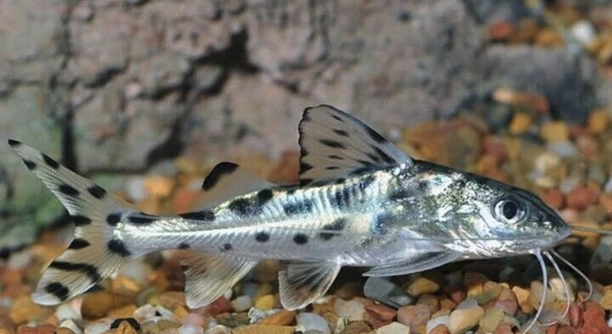
Pictus catfish are popular freshwater fish known for their striking appearance and active nature. Many aquarium enthusiasts enjoy observing their behavior, especially how they interact with their environment. Understanding their hiding habits can improve their care and tank setup.
Pictus catfish tend to prefer hiding in groups rather than alone. They are social fish that feel more secure and less stressed when they have companions nearby. Group hiding behavior supports their natural instincts and overall well-being.
Learning about their social hiding habits helps create a comfortable environment for pictus catfish. This knowledge can lead to a healthier and more balanced aquarium for these fascinating fish.
Why Pictus Catfish Hide
Pictus catfish use hiding as a natural behavior to protect themselves from perceived threats. In the wild, they seek shelter among rocks, plants, and crevices to avoid predators. This instinct remains strong even in home aquariums. Hiding helps reduce their stress levels and makes them feel safe. These fish are most active at night and tend to rest or hide during the day. Providing plenty of hiding spots in the tank, such as caves or dense plants, encourages natural behavior. Without enough places to hide, pictus catfish can become stressed, which affects their health and appetite. Observing their hiding patterns can also indicate how comfortable they are in their environment. Group hiding provides a sense of security because pictus catfish rely on numbers to reduce individual risk. Overall, hiding is a vital part of their routine and well-being in any aquatic setting.
Proper tank setup with adequate hiding spots improves pictus catfish health and reduces stress.
Knowing where and why pictus catfish hide can help you maintain a balanced aquarium. It is important to mimic their natural habitat by adding caves, driftwood, or plants. Hiding spots give them places to retreat and feel secure. Group hiding also reflects their social nature, so keeping them in small groups supports this behavior. When comfortable, they will be more active and visible during feeding or exploration. Stress from lack of shelter can lead to illness or reduced lifespan. Careful tank design that meets their hiding needs creates a better environment. In return, pictus catfish will display their natural behaviors, which is rewarding to observe.
Group vs. Solo Hiding Behavior
Pictus catfish are social animals that prefer hiding in groups over being alone.
In nature, these catfish form small groups to protect themselves from predators. Group hiding increases their chances of spotting danger early. When kept in aquariums, pictus catfish feel safer and less stressed if housed with others. Solo hiding can make them anxious or shy, which leads to less activity and feeding. Group hiding allows them to communicate subtle signals about threats or comfort. This social behavior also strengthens their overall health. Keeping at least three or more pictus catfish together helps replicate their natural social structure. Individual fish may still hide separately at times, but they generally prefer company. Providing enough space and hiding places for the group helps them maintain these instincts. Aquariums lacking proper group settings may lead to behavioral problems or reduced well-being.
Understanding group versus solo hiding is essential for proper care. Group living benefits pictus catfish by providing security and lowering stress levels. When kept alone, these fish may hide more frequently and display signs of anxiety. Social interaction within a group promotes natural behaviors, including synchronized movements and shared alertness. It also reduces the likelihood of aggressive behavior often seen when fish are isolated. Group hiding offers emotional comfort and better adaptation to the aquarium environment. Properly sized tanks with adequate cover support these social patterns. This approach helps pictus catfish thrive, making them more active and easier to observe. Providing a group setting enhances their quality of life and mirrors their behavior in the wild.
Tank Setup for Pictus Catfish Hiding
Providing sufficient hiding spots is essential for pictus catfish to feel secure. Use caves, driftwood, and dense plants to create natural shelters. Group hiding is encouraged by placing these shelters close enough to each other. This setup mimics their natural environment well.
A tank designed with multiple hiding places helps pictus catfish reduce stress and display natural behavior. These fish appreciate dark, sheltered areas that break the line of sight from other tank inhabitants. Driftwood and rock caves are particularly effective because they offer both cover and resting spots. Plants, especially broad-leafed ones, add extra security and improve water quality. Proper lighting also matters—dim or shaded areas encourage hiding without causing excessive stress. Providing these elements supports their social nature by allowing group hiding while maintaining personal space. Ensuring the tank is large enough for multiple shelters is important when keeping groups to avoid territorial conflicts.
Besides hiding spots, water quality plays a role in how often pictus catfish seek shelter. Clean, well-filtered water reduces stress and encourages exploration outside hiding areas. Stable temperature and pH conditions further promote comfort and activity. Tank mates also influence hiding; aggressive or overly active fish may cause pictus catfish to hide more often. Peaceful, similarly sized fish make good companions. Avoid overcrowding, as it increases stress and limits hiding availability. Regular maintenance and attention to environmental details help pictus catfish thrive and maintain healthy social hiding habits.
Observing Pictus Catfish Behavior
Watching pictus catfish can reveal when they feel safe or threatened. Group hiding usually means they feel secure together.
When pictus catfish hide in groups, it often indicates comfort and social bonding. They coordinate movements and occasionally rest close to each other, which reflects their natural instincts. In contrast, isolated hiding or prolonged hiding by a single fish may suggest stress, illness, or poor tank conditions. Monitoring how often and where they hide helps gauge tank health and compatibility among fish. Changes in hiding patterns can be an early warning sign for issues requiring attention. Observing these behaviors regularly enables timely adjustments in care, benefiting the fish’s overall well-being.
Understanding their behavior also improves interaction with pictus catfish. They are more likely to explore and feed when they feel safe. Using feeding times to watch their group dynamics can offer insights into their comfort level. Recognizing stress signals, such as excessive hiding or erratic swimming, allows prompt corrective action. Providing an environment that supports natural group hiding encourages active and healthy fish. This leads to a more enjoyable aquarium experience while ensuring the fish thrive in their space.
Social Interaction Among Pictus Catfish
Pictus catfish communicate subtly through body language when hiding in groups. Tail flicks and fin movements can signal alertness or calmness.
These fish rely on social cues to coordinate their behavior. Group hiding strengthens their bonds and improves overall group safety. They use these signals to warn of danger or signal relaxation without drawing attention.
Common Mistakes with Hiding Spots
A common mistake is providing too few or overly exposed hiding places. This causes stress and reduces natural behavior.
Hiding spots should be varied in size and location to suit all fish in the group. Avoid overcrowding shelters or placing them only in open areas, which defeats their purpose.
Lighting and Hiding Behavior
Bright lighting often causes pictus catfish to hide more frequently. Dimming lights or using shaded areas can encourage activity.
Feeding and Group Hiding
Group hiding influences feeding behavior. Fish feel safer emerging together to feed and explore.
FAQ
Why do pictus catfish hide so much?
Pictus catfish hide mainly to feel safe and reduce stress. They are naturally cautious fish that use hiding to protect themselves from potential threats. In the wild, hiding helps them avoid predators. In an aquarium, hiding spots offer comfort, especially during bright daylight or when tank conditions change. Too little shelter can make them feel vulnerable, leading to excessive hiding or inactivity.
How many pictus catfish should be kept together?
It is best to keep pictus catfish in groups of at least three or more. They are social animals that feel more secure when with companions. Small groups help them express natural behaviors like group hiding and synchronized swimming. Keeping only one or two may cause stress and increase hiding alone, which is not ideal for their health and activity levels.
Can pictus catfish live alone?
While pictus catfish can survive alone, it is not their preferred lifestyle. Solo living often leads to increased stress and frequent hiding. They thrive better in groups where they can interact and feel safer. If kept alone, extra care is needed to provide ample hiding spots and reduce stress triggers.
What types of hiding spots do pictus catfish prefer?
They like caves, hollow driftwood, rock crevices, and dense plants. These provide dark, secure areas that block direct sight lines, helping them feel protected. Avoid using sharp decorations that might injure them. Variety in hiding spots allows different fish in the group to choose preferred shelters and reduces competition.
Does tank size affect hiding behavior?
Yes, a larger tank with plenty of hiding places encourages natural group hiding and exploration. A small or overcrowded tank limits hiding options and increases stress. Bigger tanks allow pictus catfish to spread out, choose spots, and avoid territorial disputes. Aim for at least 30 gallons for a small group.
How does lighting influence their hiding habits?
Bright or harsh lighting makes pictus catfish hide more often since they are nocturnal and prefer dim conditions. Using subdued or shaded lighting helps them feel comfortable and encourages activity. Floating plants or dimmable lights are useful for creating suitable hiding and resting environments.
Will pictus catfish come out if the tank is well set up?
Yes, when they feel safe and the environment suits their needs, pictus catfish will explore more and hide less. Providing adequate shelter, good water quality, and peaceful tank mates encourages them to be active and visible, especially during feeding times or in the evening.
Can stress cause changes in hiding behavior?
Stress is a common reason pictus catfish hide excessively or isolate themselves. Factors such as poor water quality, aggressive tank mates, lack of hiding spots, or sudden changes in the tank can increase stress. Monitoring their behavior can help identify and fix these issues to improve their comfort.
How to tell if a pictus catfish is hiding because it is sick?
If a fish hides more than usual, loses appetite, or shows physical signs like clamped fins or discoloration, it could be ill. Sick pictus catfish often isolate themselves even from the group. Testing water parameters and observing carefully can help determine if medical treatment is needed.
Do pictus catfish hide during breeding?
Yes, hiding increases during breeding times. They seek secure places to protect eggs or themselves from potential threats. Providing ample hiding spots supports natural reproductive behavior and reduces stress during this sensitive period.
Are there tank mates that encourage or discourage hiding?
Peaceful and similarly sized tank mates encourage pictus catfish to hide comfortably in groups. Aggressive or overly active fish often cause pictus catfish to hide excessively or become shy. Choosing compatible species helps maintain a stress-free environment, reducing unnecessary hiding.
Can you reduce hiding by improving tank conditions?
Improving water quality, adding more shelters, controlling lighting, and choosing the right tank mates all reduce stress and excessive hiding. Stable conditions encourage pictus catfish to feel safe and be more active. Regular maintenance and observation are key to keeping their hiding behavior balanced.
What is the best diet to keep pictus catfish healthy and active?
A varied diet of high-quality sinking pellets, frozen or live foods like bloodworms and brine shrimp supports health and energy. Well-fed fish are less stressed and more likely to explore outside hiding spots. Feeding smaller amounts several times a day encourages natural foraging behavior.
Do juvenile pictus catfish hide more than adults?
Yes, juveniles tend to hide more because they are smaller and more vulnerable. As they grow and feel more secure, their hiding frequency usually decreases. Providing plenty of small hiding spots helps young pictus catfish feel protected during early development.
Is it normal for pictus catfish to hide during the day?
Yes, pictus catfish are mostly nocturnal and prefer to rest or hide during daylight hours. This behavior is natural and not a sign of a problem if they become active at night or during dim lighting. Offering shaded areas supports this cycle.
These frequently asked questions cover common concerns about pictus catfish hiding behavior. Addressing these points helps ensure the fish remain healthy and comfortable in home aquariums.
Pictus catfish are naturally shy and social fish that rely heavily on hiding as a way to feel safe. Their preference for group hiding over solitary hiding reflects their instinct to protect themselves from threats. Providing an environment that allows for this behavior is essential for their well-being. When pictus catfish have enough hiding spots and are kept in groups, they tend to be less stressed, more active, and healthier. Observing their behavior can help fishkeepers understand if their needs are being met and if the aquarium setup is appropriate.
The tank environment plays a significant role in how often pictus catfish choose to hide. Adequate hiding places such as caves, driftwood, and plants create secure areas where they can retreat comfortably. Lighting and tank mates also affect their behavior. Bright lights and aggressive or overly active fish can increase stress and lead to more hiding. It is important to maintain good water quality and stable conditions to support their natural behavior. Keeping pictus catfish in groups not only helps with hiding but also promotes social interaction, which is beneficial for their mental and physical health.
Understanding the hiding habits of pictus catfish helps provide better care and improves the overall aquarium experience. Creating a balanced environment that meets their social and shelter needs reduces stress and encourages natural activity. When pictus catfish feel secure, they become more visible and interactive, which is rewarding to observe. By focusing on these basic needs, it is possible to maintain healthy pictus catfish that display their unique behaviors and thrive in a home aquarium.

Hello,
If you enjoy the content that we create, please consider saying a "Thank You!" by leaving a tip.
Every little bit helps us continue crafting quality advice that supports the health, happiness, and well-being of pets around the world, for pets of all shapes, sizes, and species.
We really appreciate the kindness and support that you show us!