
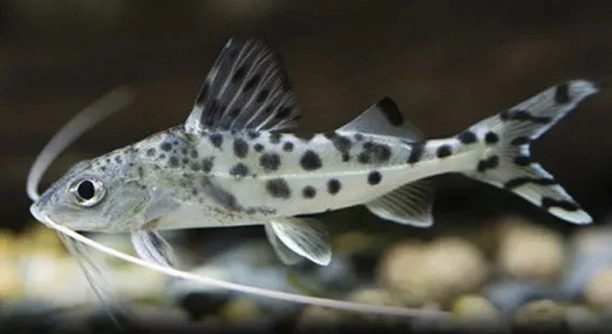
Pictus catfish are popular freshwater fish known for their active behavior and striking appearance. Many aquarium owners want to create the best environment for them to thrive. Tank setup plays an important role in their well-being and comfort.
Pictus catfish prefer tanks with more length rather than depth. They are bottom-dwelling swimmers who need horizontal space to move freely. A longer tank provides better swimming room and mimics their natural habitat more closely than a deep tank.
Choosing the right tank shape helps support the health and activity of pictus catfish. Understanding these needs will improve how you care for them in your home aquarium.
Why Tank Length Matters for Pictus Catfish
Pictus catfish are active swimmers that spend most of their time near the bottom of the tank. They prefer to swim along horizontal surfaces rather than exploring vertical spaces. A longer tank provides them with more room to move side to side, which aligns better with their natural behavior. This extra length allows the fish to express their swimming patterns and reduces stress caused by cramped conditions. In contrast, tanks that are deep but short in length limit their swimming area, which can make them less active and impact their health. Providing enough horizontal space also encourages natural schooling behavior if you keep multiple pictus catfish together. They tend to swim in groups, so having room for them to move comfortably is important. In addition, longer tanks make it easier to arrange decorations and hiding places without blocking their swimming paths. Overall, length supports both the physical and psychological well-being of pictus catfish.
A longer tank helps pictus catfish maintain their natural activity and reduces stress by offering more horizontal swimming space.
Arranging the tank with adequate length supports natural movement and social behavior in pictus catfish. It also makes it easier to place decorations without obstructing their swimming paths, creating a more comfortable and stimulating environment for the fish.
The Role of Tank Depth in Pictus Catfish Care
Tank depth has a different impact on pictus catfish compared to length. These fish do not often swim vertically or explore deep water as much as other species might. While some depth is necessary for adequate water volume and to accommodate substrate and plants, too much depth can limit their natural horizontal swimming space. Deep tanks tend to create vertical layers of water that pictus catfish rarely use fully, which can lead to underutilized space. A moderately deep tank that provides at least 12 inches of water height usually works well. It offers enough room for proper water filtration and temperature control while supporting the fish’s preference for bottom-level swimming. Focusing on a tank with more length than depth better matches their swimming habits. Proper balance between length and depth helps maintain water quality and keeps the fish comfortable, which improves their overall health and longevity.
Depth is important but secondary to length in designing a tank for pictus catfish. A moderate depth supports good water conditions without restricting their movement.
Choosing the right tank involves balancing depth to maintain water quality while prioritizing length for natural swimming behavior. Too much depth reduces the horizontal space pictus catfish need. Keeping depth moderate helps with filtration and temperature stability, ensuring a healthy habitat. Length provides ample swimming room and space for decorations, which contributes to a stimulating environment. Together, these factors promote the well-being of pictus catfish and encourage natural activity.
Ideal Tank Dimensions for Pictus Catfish
For pictus catfish, a tank length of at least 36 inches is recommended. This size provides sufficient horizontal space for active swimming. The depth should be moderate, around 12 to 18 inches, to maintain a healthy environment without restricting movement.
A 36-inch long tank allows pictus catfish to swim freely along the bottom. The extra length reduces stress and supports their natural behavior. A depth of 12 to 18 inches provides enough water volume for stable conditions and room for substrate and plants. Taller tanks can limit horizontal swimming and make it difficult to create a suitable layout. Prioritizing length over depth ensures the fish have adequate space to express their natural swimming patterns while maintaining water quality.
This balance between length and depth supports both the physical needs and psychological well-being of pictus catfish. It also allows for easier maintenance, as filtration systems work more effectively in tanks with proper volume and water circulation.
Tank Setup Tips for Pictus Catfish
Choose smooth substrates like sand or fine gravel to protect the catfish’s sensitive barbels. Include hiding spots using driftwood or rocks to make them feel secure.
Providing natural decorations and hiding places helps reduce stress and encourages natural behavior. Pictus catfish appreciate shaded areas and spots to retreat, especially during the day. Avoid sharp or rough decorations that can injure their barbels. Plants can also be included, but choose sturdy species that won’t be uprooted easily. Proper tank setup enhances comfort and promotes activity, creating a healthier environment for the fish.
Water Parameters for Pictus Catfish
Pictus catfish prefer water temperatures between 75°F and 82°F. Maintaining a pH level between 6.5 and 7.5 helps keep them comfortable and healthy.
Stable water conditions are crucial. Frequent changes or poor water quality can stress these fish, affecting their behavior and health. Regular water testing and partial water changes are important for maintaining optimal parameters.
Lighting Considerations
Moderate lighting works best for pictus catfish. They are more active in dimmer conditions and tend to avoid bright light. Using subdued or shaded lighting helps mimic their natural environment and reduces stress.
Tank Mates for Pictus Catfish
Ideal tank mates include peaceful, similarly sized fish. Avoid aggressive or very small species that could be harassed or eaten by pictus catfish.
Feeding Habits
Pictus catfish are nocturnal feeders, preferring protein-rich foods. Feeding them at dusk or night encourages natural foraging behavior.
FAQ
Do pictus catfish need a specific tank size?
Yes, pictus catfish require a tank that is at least 36 inches long. This length gives them enough space to swim actively along the bottom. A tank that is too small limits their movement, which can lead to stress and health problems.
Can pictus catfish live in tall tanks?
They can live in tanks with moderate depth, around 12 to 18 inches, but tall tanks are not ideal. Pictus catfish prefer horizontal space rather than vertical. A tall tank reduces their swimming area and may make them less active.
How many pictus catfish should be kept together?
It is best to keep pictus catfish in groups of at least three. They are social fish that enjoy schooling. Keeping them in groups reduces stress and encourages natural swimming behavior.
What substrate is best for pictus catfish?
Soft substrates like sand or fine gravel are recommended. These protect their delicate barbels from injury. Rough or sharp substrates can harm them and cause infections.
Do pictus catfish require hiding places?
Yes, hiding spots made from driftwood, rocks, or plants help pictus catfish feel safe. They are shy during the day and prefer shaded, secure areas to rest.
What should pictus catfish be fed?
They are carnivorous and prefer protein-rich foods such as bloodworms, brine shrimp, and sinking pellets. Feeding them at night aligns with their natural nocturnal habits.
Can pictus catfish be kept with small fish?
Small fish might be at risk because pictus catfish can be opportunistic feeders. It’s safer to keep them with similarly sized or larger peaceful fish.
How often should the tank water be changed?
Regular water changes of 20-30% weekly help maintain water quality. Pictus catfish are sensitive to poor water conditions, so clean water is essential for their health.
Are pictus catfish aggressive?
Generally, they are peaceful but can become territorial or nippy if kept in too small a tank or with aggressive species. Proper tank size and compatible tank mates reduce this behavior.
How long do pictus catfish live?
With proper care, pictus catfish can live between 8 to 10 years. Good water quality, appropriate tank size, and a balanced diet contribute to their longevity.
Do pictus catfish jump out of tanks?
Yes, they are known to jump occasionally. A secure lid or cover is recommended to prevent escapes and protect them from injury.
What temperature range do pictus catfish prefer?
They thrive in temperatures between 75°F and 82°F. Keeping the water within this range supports their metabolism and immune system.
Is lighting important for pictus catfish?
Moderate or dim lighting is best. Bright lights can stress them out, so using subdued lighting or shaded areas in the tank is beneficial.
Can pictus catfish adapt to different water pH levels?
They prefer a pH between 6.5 and 7.5 but can tolerate slight variations if changes are made gradually. Sudden pH shifts should be avoided to prevent stress.
How often do pictus catfish eat?
Feeding them once a day or every other day is sufficient. Overfeeding can pollute the tank and harm their health.
Are pictus catfish good for beginners?
They can be suitable for hobbyists with some experience due to their active nature and specific tank needs. Beginners should prepare to maintain stable water conditions and provide adequate tank size.
What are common health issues for pictus catfish?
Barbel infections are common, often caused by poor substrate or water quality. Regular cleaning and soft substrates help prevent these problems.
Do pictus catfish need a special filtration system?
Strong filtration is recommended to maintain clean water and proper oxygen levels. They produce moderate waste and benefit from good water circulation.
Can pictus catfish live in community tanks?
Yes, with peaceful tank mates of similar size, they can thrive in community setups. Avoid aggressive or very small fish to reduce conflicts.
How can stress in pictus catfish be reduced?
Providing enough space, hiding spots, stable water conditions, and compatible tank mates all help lower stress levels.
These frequently asked questions cover many essential points about pictus catfish care. Following these guidelines will support a healthy, active environment for your fish.
Final Thoughts
Setting up a tank for pictus catfish requires careful consideration of their natural behavior and needs. These fish are active swimmers that prefer horizontal space more than vertical depth. Choosing a tank with enough length is essential to give them room to move freely along the bottom. While moderate depth is necessary to maintain water quality and accommodate plants or decorations, too much depth can restrict their swimming area. Providing a balanced tank with greater length than depth supports their health and well-being.
Tank setup also plays an important role in keeping pictus catfish comfortable. Soft substrates like sand protect their sensitive barbels from injury, while hiding places made from driftwood, rocks, or plants help reduce stress. These fish are shy during the day and appreciate shaded areas where they can rest safely. Maintaining stable water parameters, such as a temperature between 75°F and 82°F and a pH level near neutral, is also crucial. Regular water changes and proper filtration contribute to good water quality, which supports their immune system and overall health.
Feeding pictus catfish a diet rich in protein encourages natural foraging behaviors, especially since they are mostly nocturnal feeders. It is best to keep them in groups to reduce stress and allow social interactions that mimic their behavior in the wild. Choosing compatible tank mates and avoiding overly aggressive or very small fish helps create a peaceful environment. Overall, understanding these factors and providing a tank setup focused on length, comfort, and stable conditions will help pictus catfish thrive in a home aquarium.

Hello,
If you enjoy the content that we create, please consider saying a "Thank You!" by leaving a tip.
Every little bit helps us continue crafting quality advice that supports the health, happiness, and well-being of pets around the world, for pets of all shapes, sizes, and species.
We really appreciate the kindness and support that you show us!