
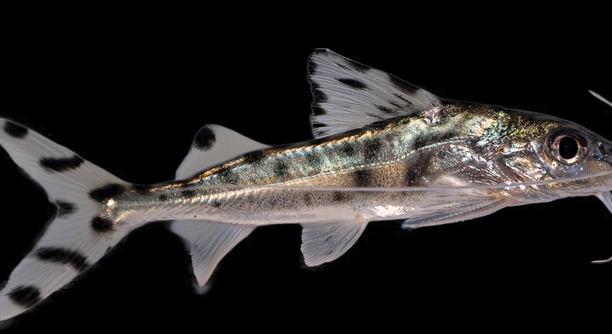
Do you keep Pictus Catfish in your aquarium and notice how they react to sounds around them? These fish live in flowing rivers and often experience a mix of noises. Understanding how they respond to background noise can help create a better environment for them.
Pictus Catfish generally tolerate subtle background noise well and do not show signs of stress from it. Their natural habitat includes gentle sounds, so consistent, low-level noise is unlikely to disturb their behavior or well-being.
Knowing how subtle sounds affect these catfish can improve their care. The following information will help you maintain a calm and comfortable space for your aquatic pets.
How Pictus Catfish React to Background Noise
Pictus Catfish live in environments where natural sounds like water flow, rustling leaves, and distant animal calls are common. They have adapted to these noises, so they usually don’t get stressed by gentle, constant background sounds in an aquarium. However, sudden loud noises or sharp sounds can startle them. When stressed, they might hide more often or become less active. In my experience, keeping the tank near quiet household areas helps them feel secure. Playing soft music or white noise at a low volume usually doesn’t bother them. It’s important to avoid loud bangs or sudden changes in sound because these can cause anxiety. Observing their behavior when you introduce new noises is a good way to see if they’re comfortable. Pictus Catfish rely on their surroundings to feel safe, so maintaining a steady, calm sound environment is best for their well-being.
Background noise that is steady and subtle generally has little effect on Pictus Catfish behavior or health.
Setting up a peaceful sound environment helps Pictus Catfish stay relaxed. They are sensitive to abrupt noises, but background sounds like quiet conversation or gentle music won’t cause harm. If you notice them hiding or darting around when sounds change suddenly, it’s a sign to reduce noise levels. This makes their habitat more natural and less stressful.
Creating the Best Environment for Pictus Catfish
Keeping Pictus Catfish comfortable means paying attention to more than just noise. Their tank should have plenty of hiding spots, like plants or caves, where they can retreat if startled. Lighting should be soft, as bright lights add stress. Filtration is important, but the water flow should mimic their natural rivers—steady and moderate, not too strong or noisy. You can also monitor the tank’s noise by listening for buzzing or humming from equipment and making sure it stays low. Regularly checking water quality and temperature is essential since stress from poor conditions can make them more sensitive to noise. When their environment is stable, Pictus Catfish are more likely to ignore subtle background sounds and behave normally.
Maintaining a quiet, natural-feeling environment helps Pictus Catfish thrive and reduces unnecessary stress.
A calm and consistent setting, both visually and acoustically, supports healthy behavior. Combining low-level background noise with proper tank setup creates a space where these fish feel safe. This reduces sudden stress reactions and encourages natural activity. Making small adjustments like moving the tank away from loud appliances or closing doors to noisy rooms can make a big difference. Pictus Catfish benefit from an environment where both noise and physical surroundings match their needs.
Noise Levels and Pictus Catfish Comfort
Low to moderate noise levels usually do not bother Pictus Catfish. They seem to tolerate soft background sounds well when other tank conditions are stable.
In my experience, Pictus Catfish are quite adaptable to gentle noises like a quiet television or soft music. Their natural habitat involves flowing water sounds and ambient outdoor noises, so they are not easily disturbed by consistent background sound. However, sudden loud noises can cause brief stress reactions. If you notice your catfish swimming erratically or hiding more often after a noise spike, it’s a sign to reduce that disturbance. Generally, keeping the noise level steady and soft works best to maintain their comfort.
Aside from noise, the overall environment plays a big role in their well-being. A well-maintained tank with good filtration and hiding places allows Pictus Catfish to feel secure. When they have these essentials, they are less reactive to everyday background sounds. This balance helps them stay calm and active.
Tips to Minimize Stress from Noise
Keeping noise levels consistent and predictable helps Pictus Catfish stay relaxed in their aquarium. Avoid sudden changes in volume or unexpected loud sounds.
Placing the tank in a quiet room away from heavy foot traffic or loud appliances reduces disturbances. You can also add soft furnishings around the tank area to absorb sound. If household noise is unavoidable, playing low-level white noise or calming music can create a stable sound environment. Monitoring your fish’s behavior after introducing any new sounds is important. Stress signs include hiding, loss of appetite, or erratic swimming. Addressing these early by adjusting noise or tank setup supports their health and comfort over time.
Common Household Noises and Their Impact
Normal household sounds like conversations or distant TV usually do not upset Pictus Catfish. They quickly adapt to these familiar noises without showing stress.
Louder noises such as door slams or dropping objects may cause temporary fright. It’s best to minimize these sudden sounds near the tank to keep the fish calm and steady.
How to Monitor Your Catfish’s Stress Levels
Watching your Pictus Catfish for signs like hiding, rapid breathing, or reduced movement helps identify stress from noise. These behaviors indicate discomfort or fear.
If stress signs appear frequently, adjusting the environment by lowering noise or adding more hiding spaces can improve their comfort. Regular observation ensures a healthier tank atmosphere.
Using Equipment to Control Noise
Using quiet filters and air pumps reduces background noise in the aquarium. Choosing equipment designed for silent operation helps maintain a peaceful environment.
Lowering noise from tank devices makes a big difference in reducing fish stress and promoting natural behavior.
FAQ
Do Pictus Catfish get stressed by noise?
Pictus Catfish are generally tolerant of low-level, consistent background noise. They live in river environments with natural ambient sounds, so subtle noises usually don’t cause stress. However, sudden loud noises or vibrations can startle them, leading to brief stress responses such as hiding or erratic swimming. Keeping noise levels steady and avoiding sudden spikes helps reduce their stress.
Can loud noises harm Pictus Catfish?
Loud, unexpected noises can frighten Pictus Catfish but typically don’t cause long-term harm if they are rare. Frequent loud sounds may increase stress, which can weaken their immune system and affect health over time. It’s important to minimize loud noises near the aquarium and create a calm environment to support their well-being.
What household noises are safe around Pictus Catfish?
Normal household sounds like talking, soft music, or distant television are usually safe. These noises are consistent and not too intense, so the fish become accustomed to them. Noises that are sharp or sudden, like dropping objects or door slams, should be limited near the tank to avoid startling the fish.
How can I tell if my Pictus Catfish is stressed?
Signs of stress include hiding for long periods, loss of appetite, rapid breathing, or erratic swimming patterns. If these behaviors increase after certain noises, it’s a sign the fish may be uncomfortable. Monitoring their reactions helps you identify and reduce stress factors in the tank environment.
Should I use white noise or music near my tank?
Low-volume white noise or calming music can be helpful if household noise is unavoidable. These sounds create a steady background that Pictus Catfish can get used to, which reduces the impact of sudden noises. Always keep volume low and watch the fish’s behavior to ensure they remain calm.
Does tank equipment noise affect Pictus Catfish?
Yes, noisy filters or air pumps can stress Pictus Catfish, especially if the noise is loud or inconsistent. Choosing quiet, reliable equipment designed for low noise helps maintain a peaceful environment. Positioning equipment to reduce vibrations and noise transmission can also improve comfort.
What should I do if my fish reacts badly to noise?
If your Pictus Catfish shows stress signs after noise exposure, try moving the tank to a quieter location or reducing noise sources nearby. Adding more plants or decorations to create hiding spots can also help fish feel safer. Adjusting lighting and maintaining stable water conditions further supports recovery from stress.
Are Pictus Catfish more sensitive to noise than other fish?
Pictus Catfish are moderately sensitive due to their natural habitat, which includes flowing water sounds and gentle background noises. They adapt well to subtle noises but are more sensitive to sudden, loud disruptions compared to some other species. Providing a calm and stable environment benefits all fish but especially Pictus Catfish.
Can noise affect Pictus Catfish feeding habits?
Yes, excessive noise or sudden sounds can cause Pictus Catfish to become cautious or hide, leading to reduced feeding. A quiet and stable environment encourages normal feeding behavior. If you notice your fish avoiding food after noisy events, try feeding during quieter times and reducing disturbances.
Is it okay to have the aquarium near a busy area in the house?
It depends on noise levels and how your fish react. Busy areas with constant loud noises or vibrations may stress Pictus Catfish. If you keep the tank there, monitor your fish closely. Using soundproofing methods or moving the tank away from the busiest spots usually improves their comfort and health.
Can I train Pictus Catfish to tolerate noise?
To some extent, yes. Pictus Catfish can get used to regular, low-level background sounds over time, especially if these noises remain consistent. Avoid sudden changes in sound levels. Patience and a stable environment help the fish adapt without stress.
What else can I do to reduce noise impact on my aquarium?
Use soft mats under the tank to absorb vibrations, close doors or windows to block outside noise, and position the tank away from noisy appliances. Surrounding the aquarium with soft materials like curtains or carpets also helps reduce sound reflection. These small changes make the environment calmer for your fish.
How important is a quiet environment for Pictus Catfish’s long-term health?
A quiet and stable environment supports their natural behavior and reduces chronic stress. Stress weakens fish immune systems and makes them prone to illness. Keeping noise levels low and consistent is a simple but effective way to promote long-term health and happiness for Pictus Catfish.
Pictus Catfish are quite adaptable when it comes to background noise. In their natural habitat, they live in flowing rivers with many soft and constant sounds. This means they are used to some level of noise and usually don’t get stressed by gentle, steady sounds in an aquarium. It is the sudden, loud noises that can cause them discomfort or fear. These fish will often hide or swim quickly when startled, but if the noise stays low and consistent, they tend to stay calm and continue their normal behavior. Creating a peaceful sound environment in your home will help your Pictus Catfish feel safe and secure.
Maintaining a quiet and stable environment for Pictus Catfish is important for their overall health. Loud or sudden noises can increase their stress levels, which might affect their appetite, movement, and immune system. Stress can make fish more vulnerable to illness and reduce their lifespan. Simple steps like placing the tank in a low-traffic area, avoiding banging nearby, and choosing quiet tank equipment can make a big difference. Adding plants and decorations to provide hiding places also helps the fish feel protected when noises do occur. Monitoring your catfish’s behavior regularly can show you how well they are coping with their surroundings and if any changes are needed.
Overall, understanding how Pictus Catfish respond to noise helps you provide better care for them. While they tolerate subtle background sounds, it’s best to avoid sudden loud noises to keep stress at a minimum. Keeping noise levels steady and low, along with a well-maintained tank, supports their natural habits and well-being. By paying attention to their reactions and adjusting their environment, you can ensure your Pictus Catfish thrive in a comfortable, calm home. Taking these simple steps shows respect for their needs and helps create a peaceful aquarium where they can live happily.

Hello,
If you enjoy the content that we create, please consider saying a "Thank You!" by leaving a tip.
Every little bit helps us continue crafting quality advice that supports the health, happiness, and well-being of pets around the world, for pets of all shapes, sizes, and species.
We really appreciate the kindness and support that you show us!