
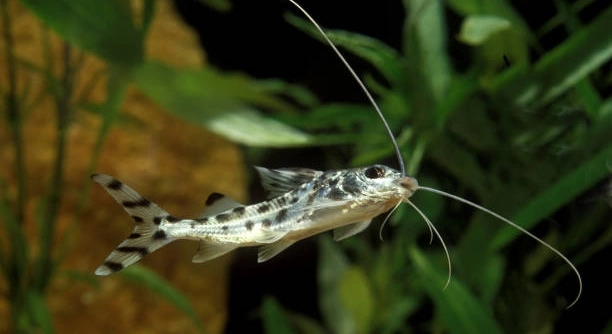
Pictus catfish are popular aquarium fish known for their active nature and distinct spotted appearance. Feeding habits play a key role in their overall health and behavior. Understanding how they respond to different feeding styles helps improve their care.
Pictus catfish generally do not prefer fast feeding sessions, as they are natural foragers who take time to find and consume food. Rapid feeding may cause stress and overeating, negatively impacting their digestion and well-being. A measured feeding pace is more suitable.
Learning about their feeding preferences helps maintain a balanced environment. Proper feeding techniques contribute to the long-term health of your catfish and a peaceful aquarium.
How Pictus Catfish Feed Naturally
Pictus catfish are bottom dwellers that prefer to search for food slowly and methodically. In their natural habitat, they forage among rocks and plants, picking at small insects, worms, and plant matter. This steady approach helps them avoid predators and conserve energy. Rapid feeding sessions in an aquarium can be stressful because they do not align with this natural behavior. When food is offered too quickly or in large amounts, pictus catfish may become overwhelmed or compete aggressively, which can lead to injury or health problems. Feeding them smaller portions at a relaxed pace mimics their usual foraging, helping them feel secure and reducing waste from uneaten food. Observing how your catfish respond during feeding can provide clues about their comfort level and health. Adjusting feeding speed and portion size based on their behavior promotes a calm and healthy environment for your fish.
Feeding slowly is better for digestion and reduces leftover food that can pollute the tank.
Taking the time to feed pictus catfish at a measured pace supports their natural habits and well-being. It helps maintain water quality by preventing excess food from decomposing. This approach also reduces stress among tank mates by limiting competition and aggression. Gradual feeding encourages more consistent eating patterns and supports digestive health. It is a simple adjustment that improves both fish happiness and tank cleanliness.
Signs Your Pictus Catfish Prefer Slower Feeding
Watching your pictus catfish during feeding reveals a lot about their preferences. If they approach food calmly and nibble at intervals, it indicates comfort with a slower feeding pace. Rapid lunges or aggressive grabbing often suggest stress or discomfort with fast feeding sessions. Uneaten food left after quick feedings is another sign they need more time to eat properly. Overfeeding can lead to bloating and poor water conditions, harming their health. Paying attention to these signals helps you adjust feeding to suit your catfish better. Providing smaller amounts over a longer period allows them to eat at their own rhythm. This simple change makes a noticeable difference in their behavior and tank environment. Keeping feedings calm and measured supports your pictus catfish’s health and natural instincts, leading to a happier aquarium overall.
Adjusting Feeding Techniques for Pictus Catfish
Feeding pictus catfish in small, slow portions helps reduce stress and supports their natural foraging behavior. Quick feedings often overwhelm them, so pacing is key to their comfort and health.
Slow feeding allows catfish to process food better and reduces leftover waste. By offering small amounts multiple times a day, you mimic their natural environment. This approach also helps prevent overfeeding, which can cause digestive issues and poor water quality. Watching your fish’s reaction during feeding helps you find the right pace and portion size. Feeding should feel calm and controlled to keep your catfish healthy and active.
Introducing varied food types, like sinking pellets and live or frozen options, encourages natural foraging habits. Changing feeding times occasionally also keeps the fish engaged and prevents boredom. These small adjustments improve their overall well-being and create a more balanced aquarium environment.
Common Mistakes in Feeding Pictus Catfish
Feeding too much at once is a frequent mistake that leads to overfeeding and poor water conditions. Pictus catfish need time to eat without rushing.
Another common error is offering only one type of food, which can limit their nutrition and interest. Relying solely on flakes or pellets misses the opportunity to replicate their natural diet, which includes live or frozen foods. Lack of variety may cause picky eating or nutritional deficiencies over time. Proper feeding schedules and portion control prevent these problems. Consistently observing your catfish helps identify issues early. Adjusting feeding habits based on their behavior ensures they stay healthy and active.
Feeding Frequency Matters
Feeding pictus catfish too often can cause health problems, while too little feeding may leave them hungry and stressed. Finding a balanced schedule is important for their well-being.
Most owners find that feeding their catfish two to three times daily with small portions works best. This routine supports their metabolism and mimics natural conditions, keeping them active and healthy.
Ideal Foods for Pictus Catfish
Pictus catfish thrive on a diet that includes sinking pellets, frozen or live bloodworms, and occasional vegetables. Variety ensures balanced nutrition and keeps them interested during feeding. Avoid floating foods since they usually feed at the bottom. Providing a mix of protein and plant matter supports their natural diet and promotes health. Regularly rotating food types prevents boredom and encourages consistent eating habits.
Observing Feeding Behavior
Pay close attention to how your catfish eat during feedings. Slow and steady eating usually means they are comfortable and well-fed.
FAQ
Do pictus catfish eat fast or slow?
Pictus catfish generally eat slowly, reflecting their natural foraging habits. They prefer to pick at food gradually rather than rushing to eat everything at once. Fast feeding sessions can stress them and cause competition or overeating. Offering food in small portions over time allows them to eat comfortably and safely.
How often should I feed my pictus catfish?
Feeding two to three times daily with small amounts is ideal. This schedule matches their metabolism and natural feeding patterns. Overfeeding at once or feeding too frequently can cause health issues and dirty the tank. A steady routine keeps them active and well-nourished.
What is the best food for pictus catfish?
Sinking pellets made for bottom feeders are a good staple. Supplement their diet with frozen or live bloodworms, brine shrimp, and occasional vegetables like cucumber or zucchini. Variety helps meet their nutritional needs and prevents boredom. Avoid floating flakes since they don’t feed near the surface.
Can pictus catfish eat too much?
Yes, overfeeding can cause bloating, digestive problems, and poor water quality. Uneaten food can decompose and harm the tank environment. Feeding in measured amounts and watching how much they consume helps avoid this issue.
Why does my pictus catfish ignore food sometimes?
They might be stressed, sick, or simply not hungry. Fast or large feedings can overwhelm them, making them avoid food. Adjust feeding size and pace to see if their appetite improves. Consistent water quality and proper tank conditions also influence feeding behavior.
Is it okay to feed pictus catfish once a day?
Feeding once daily can work if the portion size is appropriate, but two or three smaller feedings better mimic their natural habits. More frequent, smaller meals support digestion and reduce hunger-related stress.
How can I tell if my pictus catfish is overfed?
Signs include bloating, sluggish behavior, and leftover food in the tank. Overfed fish may also hide more often or show less interest in swimming. Adjust feeding amounts and frequency if you notice these signs.
Do pictus catfish eat plants in the aquarium?
They mostly eat protein-based foods but may nibble on soft plants occasionally. They are not known to damage plants heavily. Including some vegetables in their diet can satisfy any plant-eating urges and add variety.
Should I feed my pictus catfish at night or during the day?
Pictus catfish are nocturnal but will eat during the day if comfortable and hungry. Feeding them when the tank lights are dim or off can encourage natural feeding behavior. Observe your fish to find the best feeding time for them.
Can fast feeding harm pictus catfish?
Yes, fast feeding can increase stress and cause accidents like gulping air or aggressive behavior. Slow, steady feeding helps keep them calm and reduces the risk of health problems. It also prevents food waste, which keeps the tank cleaner.
Final Thoughts
Feeding pictus catfish at a slow and steady pace aligns best with their natural habits and helps keep them healthy. These fish are natural foragers that take their time searching for food, so quick or large feedings often cause stress or overeating. By offering small portions several times a day, you mimic their environment and support good digestion. This method also reduces leftover food, which helps maintain better water quality in the tank. Feeding should be calm and controlled, allowing your catfish to eat comfortably without rushing or competing.
Paying attention to your pictus catfish’s behavior during feeding is important. Signs like slow and steady nibbling suggest they are comfortable and eating well. If they act restless, miss feedings, or leave food behind, it may mean you need to adjust portion sizes or feeding speed. Offering a variety of sinking pellets, frozen or live foods, and some vegetables keeps their diet balanced and prevents boredom. Keeping their feeding routine consistent while making small adjustments based on their reactions will ensure they remain healthy and active over time.
Taking the time to understand your pictus catfish’s feeding preferences benefits both the fish and your aquarium environment. Slow feeding sessions not only improve their well-being but also reduce waste and keep the tank cleaner. With careful observation and simple changes, you can create a feeding schedule that fits your catfish’s needs. This thoughtful approach helps your pictus catfish thrive, making your aquarium a more peaceful and enjoyable place for both you and your fish.

Hello,
If you enjoy the content that we create, please consider saying a "Thank You!" by leaving a tip.
Every little bit helps us continue crafting quality advice that supports the health, happiness, and well-being of pets around the world, for pets of all shapes, sizes, and species.
We really appreciate the kindness and support that you show us!