
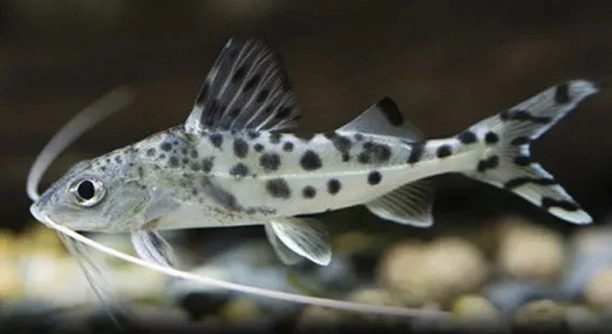
Have you ever found yourself observing your pictus catfish and wondering if they recognize patterns in your daily routine or feeding habits?
Pictus catfish are capable of learning from routine through associative behavior. Repeated actions such as feeding times, lighting patterns, and tank interactions can lead to predictable responses, suggesting basic cognitive recognition and learned expectations in their environment.
Understanding this behavior helps create a more enriching tank life while deepening the bond between you and your fish.
How Pictus Catfish Respond to Routine
Pictus catfish are known for their energy and activity, especially in community tanks. Over time, many owners notice patterns in how these fish behave around specific times of day. For example, they often become more active near feeding times or when lights are adjusted in a certain way. These behaviors suggest they can associate specific actions with outcomes, such as food arriving after a lid opens or movement near the tank. Repeating these cues daily can encourage learned responses. This kind of routine-driven behavior helps reduce stress, especially in a stable environment where the fish know what to expect. While pictus catfish may not learn in the same way mammals do, their ability to recognize and respond to patterns shows a basic level of environmental learning. Their memory may be short-term, but it’s strong enough to associate regular signals with events that matter to them, such as feeding or changes in tank activity.
Setting a consistent routine can help your pictus catfish feel more secure and display more active, confident behavior in their tank.
They are more likely to swim freely, explore decorations, and interact with their surroundings when they know what to expect from their environment each day.
Signs Your Pictus Catfish Has Learned Something
A trained pictus catfish may begin rising to the surface when it hears the sound of the lid opening or sees a hand approach.
Some catfish can even adjust their resting and activity patterns based on the timing of regular feedings or tank maintenance. If feeding always happens at dusk, they might start becoming more active around that time, expecting food. You might also see them gather in a particular spot before feeding begins. These signs often appear gradually and may be subtle at first. The behavior tends to grow more consistent with time, showing that the fish is responding to repeated cues. While they won’t perform tricks or remember things long-term like some other animals, pictus catfish can display enough memory to align with your habits. Recognizing this allows you to improve their environment. Keeping noise levels steady, using familiar routines, and limiting surprises will help reinforce their learned patterns and lead to calmer, more balanced behavior.
How Environment Affects Learning
A calm, consistent environment allows pictus catfish to form simple associations more easily. Sudden changes in lighting, temperature, or noise can disrupt their ability to recognize routine, making them less responsive or more skittish during regular tasks like feeding or tank maintenance.
If the tank environment shifts too often, it becomes harder for pictus catfish to predict what will happen next. This uncertainty can increase stress and reduce the likelihood of learned behavior. They may stop responding to cues that once triggered feeding behavior or movement. Consistency in lighting schedules, feeding times, and human presence helps reinforce connections. Dim lighting during the same part of the day and using a specific location for feeding can make these cues easier for the fish to associate with specific outcomes. It also creates a more peaceful space that supports mental comfort, encouraging learning and consistent interaction within the tank setting.
Providing hiding spots and gentle water flow also improves their ability to process new experiences. Pictus catfish are naturally shy, so having a secure space to retreat helps reduce stress. Lower stress leads to more predictable behavior and stronger association with patterns. Their comfort level plays a big role in their ability to learn from routine.
Feeding Habits and Routine Recognition
Pictus catfish quickly associate feeding with movement near the tank, the sound of a lid opening, or a change in water flow. They may begin swimming near the surface or gathering in a favorite corner even before food is added. These repeated patterns reinforce recognition.
They are most responsive when fed at the same time daily, especially in low-light conditions that mimic dusk. These feeding routines help create structure and stability. Over time, the fish begin to expect food around that time and respond to cues leading up to it. Some may swim in tight patterns or become more active as soon as they sense movement outside the tank. Reinforcing this behavior with a consistent method of feeding—such as using the same container or hand motion—can strengthen their recognition. Avoid overfeeding or random feedings, as this disrupts the pattern. Routine feeding supports both physical health and learning behavior in pictus catfish.
Tankmates Can Influence Learning
Pictus catfish may observe and mirror the behavior of other fish, especially when food is involved. If tankmates consistently respond to feeding cues, pictus catfish might begin reacting to those same cues more quickly and confidently.
Keeping calm, active tankmates can help reinforce healthy patterns. Avoid aggressive species that disrupt routines or crowd the feeding area, as this can stress pictus catfish and reduce their ability to form consistent associations over time.
Routine Maintenance Makes a Difference
Regular tank maintenance helps create a stable, clean environment that supports predictable behavior in pictus catfish. Cleaning schedules, water changes, and filter checks should follow a set rhythm. If these tasks are performed around the same time each week, the fish will likely grow used to the activity and may even hide less during them. Sudden or irregular maintenance can make them anxious, causing a setback in learned behavior. Keeping your actions calm and consistent during water changes and adjustments helps them associate those events with safety, not threat. This steady approach encourages comfort and reinforces the routine you’ve built.
Final Thoughts on Routine and Learning
Pictus catfish may not remember in the long term, but they do respond to repeated patterns. Routine helps them feel safe and act more naturally.
FAQ
Can pictus catfish really remember routines?
Yes, pictus catfish can remember short-term routines. They respond to repeated actions like feeding at the same time daily or the sound of the tank lid opening. While they don’t have long-term memory like some pets, they can form short-term associations. This helps them predict certain events, such as when food is about to be added or lights will change. These behaviors build over time and create a more secure environment for the fish. Even small changes in your daily pattern might affect how they react, showing they’ve picked up on your habits.
How long does it take for a pictus catfish to learn a new routine?
It depends on how consistent the routine is. If you feed them at the same time every day, they may start recognizing that pattern in about a week or two. Their reactions can be subtle at first—like coming out of hiding more or swimming faster near the surface—but these behaviors usually grow more noticeable. The more predictable your actions are, the quicker they respond. Skipping days or changing the schedule may slow down this recognition. Sticking with a simple, repeatable routine works best.
Do pictus catfish recognize their owners?
They likely don’t recognize faces the way mammals do, but they can associate your presence with specific actions like feeding. Over time, they may come closer to the glass or swim actively when you’re near the tank. These responses are more about the pattern than personal recognition. If you’re the one who consistently feeds them, they might link your movements or shadow with food. That’s why they might ignore someone else but react when you walk by. It’s a sign of learned behavior through association, not personal attachment.
Can changing the tank setup affect what they’ve learned?
Yes, rearranging the tank or changing lighting can impact their behavior. If the environment changes too much, it may interrupt their ability to connect familiar cues with specific events. For example, moving a decoration they use as a hiding spot might cause stress and reduce their usual response to feeding. Gradual changes are better than sudden ones. Keeping key features consistent—like the feeding area and light schedule—helps them keep their learned patterns. Try to keep the tank layout steady if they seem to respond well to a routine.
What behaviors show they’ve learned something?
Signs include increased activity before feeding, swimming to the same spot when you approach, or reduced hiding during regular tank tasks. They might also come out of their cave more often at certain times of day, especially if that’s when feeding usually happens. These actions show they expect something based on your repeated habits. The more consistent your routine, the more predictable their behavior becomes.
Do pictus catfish learn from other fish in the tank?
Yes, they may pick up cues from other fish, especially during feeding. If a group of fish rushes to a corner when food appears, your pictus catfish might start doing the same. This group behavior helps reinforce their own pattern recognition. Calm tankmates who respond well to routine can support a more stable environment for the pictus catfish.
Is it stressful for them if the routine changes suddenly?
Sudden changes can stress pictus catfish and make them hide more or become less active. They’re sensitive to shifts in light, noise, and feeding schedules. If you must change something, do it gradually. Adding new elements or adjusting the feeding time by a few minutes daily helps reduce the stress. Consistency is key.
Do they learn better alone or in groups?
Pictus catfish are social by nature and tend to feel more secure in groups of their own kind or peaceful tankmates. When kept alone, they may be more timid and take longer to show predictable responses. In a group, seeing others react to feeding or tank movements can speed up their learning process. As long as the tank isn’t overcrowded, keeping them with others generally supports better behavior and stronger routine recognition.
Final Thoughts
Pictus catfish are more than just active swimmers in a tank—they are also aware of their surroundings and can learn from daily patterns. Even though their memory is not as advanced as some animals, they are still able to connect repeated actions with certain results. Feeding at the same time, turning lights on or off in a regular way, and moving near the tank all play a part in shaping how they respond. These fish can show clear signs of recognition by becoming more active, swimming in specific areas, or preparing for feeding before the food even arrives. While their learning is simple, it makes a big difference in how they behave over time.
Keeping their environment calm and steady is important. Sudden changes in lighting, noise, or layout can affect how they react and slow their ability to recognize patterns. Giving them a secure place to hide, limiting loud movements, and creating a regular maintenance schedule can all help reduce stress. When the tank feels safe, they are more likely to come out, explore, and stick to their learned behaviors. Routine supports not only their comfort but also their health. A predictable setting makes it easier for them to feel confident and adjust to daily life in the tank.
Their learning may not be complex, but it is meaningful. By watching how they respond to small changes and patterns, you can better understand what helps them feel safe. Whether you’re feeding, cleaning, or just passing by the tank, your actions can teach them what to expect. Over time, this builds a calm, balanced environment that works well for both you and your fish. The more steady your care routine is, the more responsive and relaxed your pictus catfish will be. Their reactions may seem small, but they reflect the trust they’ve built based on your consistency. In the end, supporting their ability to learn helps create a more peaceful and predictable home for them.

Hello,
If you enjoy the content that we create, please consider saying a "Thank You!" by leaving a tip.
Every little bit helps us continue crafting quality advice that supports the health, happiness, and well-being of pets around the world, for pets of all shapes, sizes, and species.
We really appreciate the kindness and support that you show us!