
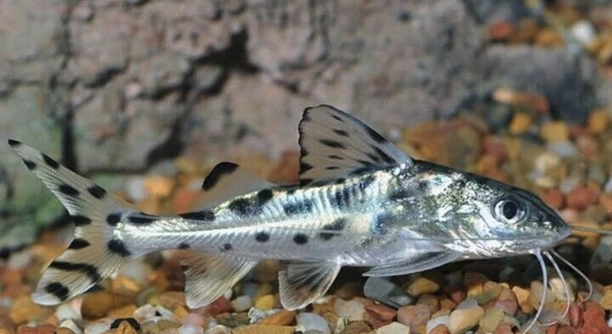
Pictus catfish are popular freshwater fish known for their active nature and peaceful temperament. Many fishkeepers enjoy watching their quick movements and bottom-dwelling habits. Understanding their behavior around food is important for maintaining harmony in a community tank.
Pictus catfish generally do not show strong territorial behavior over food. While they may compete during feeding times, their natural tendency is to share space rather than aggressively defend food sources. This species prefers quick snatching rather than guarding resources.
Knowing how pictus catfish behave around food can help prevent unnecessary stress and keep your aquarium peaceful and enjoyable for all inhabitants.
Pictus Catfish Feeding Behavior
Pictus catfish are active feeders, usually scavenging along the bottom of the tank. They tend to move quickly to grab food, rather than waiting or guarding a spot. During feeding, you might notice a brief scramble as several fish try to eat at once, but this rarely leads to serious conflict. These catfish prefer to dart in, pick up food, and swim away. They eat a variety of foods, including sinking pellets, live or frozen foods like bloodworms, and small insects. Their natural environment encourages them to be opportunistic feeders rather than territorial. It’s important to provide enough food spread out in the tank to avoid competition and stress. A well-fed pictus catfish is less likely to act aggressively toward other fish during feeding time. Regular feeding schedules and sufficient quantity help maintain peace in a mixed-species tank with these active bottom dwellers.
Pictus catfish feed quickly and don’t usually guard their food. Their focus is on grabbing rather than defending meals.
Understanding their feeding style helps keep your aquarium calm and balanced, ensuring all fish get their share without stress or aggression.
How to Manage Food Competition in a Community Tank
Feeding pictus catfish with other fish requires some planning. Since they are fast eaters but not territorial, spreading food around the tank works best. This way, every fish can access food without feeling pressured. Avoid feeding only in one spot because it might cause temporary crowding or stress. Using sinking pellets or wafers that reach the bottom quickly supports their natural feeding habits. Additionally, feeding smaller portions more often instead of one large meal can reduce competition and waste. Observing your tank during feeding times is helpful. If some fish are consistently missing out, adjusting feeding techniques or schedules may be necessary. Remember, healthy feeding practices contribute to calmer fish and a better environment overall. Balancing the needs of pictus catfish and other species creates a more peaceful and thriving community aquarium.
Signs of Food-Related Aggression in Pictus Catfish
Pictus catfish rarely show aggressive behavior, but signs can include chasing or nipping during feeding. These actions tend to be brief and usually stop once food is dispersed. Watch for any fish that appears overly stressed or injured.
Aggression over food in pictus catfish usually arises from overcrowding or insufficient food supply. When too many fish compete in a small space, stress levels increase and minor squabbles can happen. Ensuring enough space and feeding a sufficient amount helps reduce these conflicts. These catfish are naturally social but can become defensive if food is scarce. Observing how they interact during feeding times helps identify if aggression is becoming a problem, allowing you to adjust feeding routines accordingly.
If aggression is frequent or intense, consider increasing tank size or providing hiding spots. Dividing feeding locations also allows less dominant fish to eat without pressure, promoting a calmer environment for all.
Feeding Tips to Prevent Territorial Behavior
Feeding pictus catfish several small meals daily works better than one large feeding. This reduces competition and mimics their natural scavenging habits. Scatter food throughout the tank to allow multiple fish to eat at once without crowding.
In community tanks, using sinking pellets or wafers ensures food reaches the bottom quickly, matching the pictus catfish’s feeding style. Supplementing their diet with occasional live or frozen foods provides variety and promotes healthy behavior. Avoid overfeeding, which can cause water quality issues and increase aggression as fish compete for limited space. Monitoring fish behavior and adjusting feeding amounts helps keep everyone calm and healthy. Consistent feeding routines also reduce stress and maintain a balanced tank environment.
Tank Setup and Space Considerations
Pictus catfish need enough room to swim freely without feeling crowded. Overcrowding can lead to stress and increased competition for food. A spacious tank helps reduce tension during feeding times.
Providing hiding spots like caves or plants gives these catfish places to retreat if they feel threatened. This lowers stress and improves their overall behavior around food.
Feeding Schedule and Consistency
Keeping a regular feeding schedule helps pictus catfish feel secure. Predictable meal times reduce anxiety and prevent aggressive behavior during feeding. Feeding at the same times daily supports their natural routine and encourages calmer interactions among tank mates.
Recognizing Normal Behavior vs Aggression
Occasional chasing or nudging during feeding is normal for pictus catfish. These brief interactions usually don’t escalate. It’s important to distinguish typical behavior from real aggression that can harm fish or disrupt tank harmony.
Adjusting Diet for Peaceful Feeding
Changing the type or amount of food can help reduce food-related tension. Offering balanced, nutritious options keeps pictus catfish satisfied and less likely to compete aggressively during mealtime.
Do pictus catfish fight over food?
Pictus catfish are generally peaceful and do not fight over food aggressively. They may compete briefly when food is first introduced, but this is usually limited to quick movements to grab food. Their feeding style focuses on fast snatching rather than defending territory.
Why do my pictus catfish chase each other during feeding?
Chasing during feeding is often a way for pictus catfish to get better access to food. It is usually brief and not serious. This behavior can increase if the tank is overcrowded or if food is scarce. Providing enough space and spreading food around helps reduce chasing.
Can pictus catfish become territorial in small tanks?
Yes, in small or crowded tanks, pictus catfish may show more territorial behavior. Limited space increases competition for resources, including food. A larger tank with plenty of hiding places reduces stress and limits territorial disputes.
How can I reduce food aggression in my aquarium?
Feeding smaller amounts several times a day and spreading food across the tank reduces competition. Using sinking pellets that reach the bottom quickly helps pictus catfish feed naturally. Also, maintaining a clean tank and regular feeding schedule promotes calm behavior.
What foods are best for pictus catfish to minimize competition?
Sinking pellets, wafers, frozen bloodworms, and small insects work well. These foods quickly reach the bottom, where pictus catfish naturally feed. Offering a variety of foods keeps them interested and less likely to compete aggressively.
Is it normal for pictus catfish to nip other fish during feeding?
Light nipping may happen occasionally but is not typical aggressive behavior. It usually results from stress or overcrowding. If nipping becomes frequent or causes injury, it is a sign that the tank setup or feeding routine needs adjustment.
Do pictus catfish need hiding places to reduce aggression?
Yes, hiding spots like caves, plants, or decorations provide safe areas. These help pictus catfish retreat if they feel threatened, reducing stress and aggressive behavior during feeding or tank disturbances.
Can overfeeding cause food aggression in pictus catfish?
Overfeeding usually causes water quality issues rather than aggression. However, inconsistent feeding or sudden changes in diet can stress fish and lead to competition. Keeping a steady, moderate feeding routine prevents these problems.
How often should I feed pictus catfish to avoid competition?
Feeding pictus catfish two to three times a day in smaller portions works best. This mimics their natural scavenging habits and prevents crowding at feeding times. Regular feeding schedules help keep all fish calm and well-nourished.
What signs indicate serious food-related aggression?
Signs include persistent chasing, biting that causes injury, or one fish consistently dominating food. If these behaviors appear, it is important to check tank size, population, and feeding methods to reduce stress and conflict.
Are pictus catfish more aggressive during breeding?
Pictus catfish do not tend to become more aggressive during breeding. They usually remain peaceful, though minor territorial displays around spawning sites can happen. Providing enough space and hiding places helps avoid conflicts during breeding.
How can I ensure all fish get enough food in a community tank?
Distributing food in different areas of the tank and feeding at various depths allows all fish, including pictus catfish, to eat without competition. Observing feeding times helps identify any fish that may be missing out. Adjust feeding techniques if necessary.
Does tank temperature affect pictus catfish aggression?
Extreme temperatures can stress fish, potentially increasing aggression. Maintaining stable water temperature within the recommended range for pictus catfish supports healthy behavior and reduces tension during feeding and daily activities.
What role does tank decoration play in food aggression?
Tank decorations provide visual barriers and hiding spots, reducing direct confrontations. This lowers food aggression by allowing shy or less dominant fish to avoid dominant feeders and find safe places to eat peacefully.
Is it necessary to separate aggressive pictus catfish from others?
Separation should be a last resort. Most aggression can be managed by improving tank conditions, feeding routines, and providing space. If aggression persists and harms other fish, separating or rehoming may be necessary for the health of all tank inhabitants.
Pictus catfish are generally peaceful fish that do not become very territorial over food. Their natural behavior is to move quickly and grab what they need rather than guarding or fighting for food. This makes them a good choice for community tanks where multiple species share the space. However, like many fish, they can show some competition during feeding, especially if conditions are crowded or if food is limited. Understanding this basic behavior helps in setting up the right environment for them and other tank mates.
Providing enough space and hiding spots is important for reducing stress and competition among pictus catfish. When tanks are too small or overcrowded, even peaceful fish can become more defensive or aggressive. Having areas where fish can retreat helps lower tension and keeps the aquarium balanced. Feeding routines also play a role. Offering food multiple times a day in smaller amounts and spreading it around the tank helps ensure all fish can eat without feeling pressured. Using sinking foods that reach the bottom quickly supports their natural feeding habits and reduces competition at the surface.
Overall, keeping pictus catfish calm during feeding is about creating a healthy environment with proper space, diet, and care. Observing their behavior regularly lets you spot any signs of stress or aggression early. Small adjustments to tank setup or feeding methods can often prevent problems before they become serious. With the right attention, pictus catfish remain peaceful, active, and enjoyable members of your aquarium community. This helps ensure a harmonious tank where all fish thrive together.

Hello,
If you enjoy the content that we create, please consider saying a "Thank You!" by leaving a tip.
Every little bit helps us continue crafting quality advice that supports the health, happiness, and well-being of pets around the world, for pets of all shapes, sizes, and species.
We really appreciate the kindness and support that you show us!