
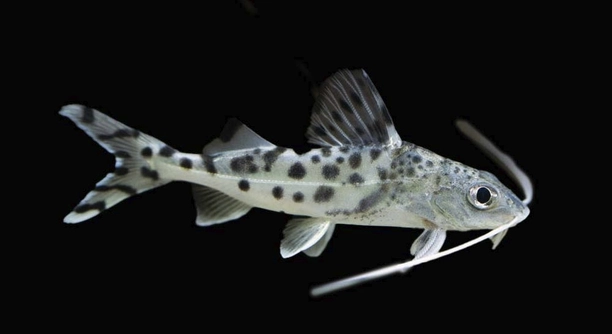
Do you have a Pictus Catfish and notice it moving around your tank? Many fish owners wonder about how their catfish’s activity changes as time passes. These lively fish often surprise with their behavior patterns.
Pictus Catfish generally become more active over time, especially as they adjust to their environment. Their increased activity is linked to growing comfort, better health, and established routines in the tank. This trend is typical in well-maintained aquarium settings.
Understanding this activity pattern can help you create a better environment for your catfish. Knowing why and when they move more ensures their care matches their needs.
Why Pictus Catfish Activity Changes Over Time
Pictus Catfish are known for being active swimmers, especially during certain times of the day. When they are first introduced to a new tank, they may hide or move slowly as they get used to their surroundings. Over the next few weeks, as they feel safer, their activity increases. This change happens because they become more comfortable and confident in their environment. Their natural behavior includes exploring the tank and searching for food. Temperature, tank size, and water quality also affect their movement. If the tank is clean and well-maintained, the catfish will be more likely to swim around freely. Overfeeding or poor water conditions can make them lethargic. Observing these patterns helps in understanding when your fish is healthy and when it might need attention. The change in activity is a good sign of adaptation and well-being.
The gradual increase in activity is normal and expected for Pictus Catfish. It reflects their growing comfort.
This behavior shows how important it is to create a safe and stable environment for these fish. A well-set tank supports their natural habits, encouraging them to be active and happy. They need hiding spots and enough room to swim. Without stress, they show their playful side more clearly. Watching them move can be enjoyable and rewarding for anyone caring for Pictus Catfish.
Feeding and Its Effect on Activity
Feeding plays a key role in how active Pictus Catfish become. Proper nutrition gives them energy to swim and explore.
Pictus Catfish need a balanced diet to stay energetic and healthy. When fed the right amount and type of food, they tend to be more lively. Overfeeding can cause them to slow down because their digestion is strained, and poor water quality may result from leftover food. On the other hand, feeding too little leaves them weak and less active. It’s best to provide small portions twice a day, including sinking pellets or live foods like bloodworms. This mimics their natural feeding habits and keeps them motivated to move around. When their diet meets their needs, they show more natural behaviors like foraging and interacting with their environment. Monitoring feeding habits directly impacts their daily activity levels and overall health.
Tank Environment and Activity Levels
A clean and well-organized tank helps Pictus Catfish stay active. They respond quickly to changes in their environment.
Water temperature and quality directly affect how much your catfish move. Ideal temperatures between 75°F and 80°F keep them comfortable. Poor water conditions, such as high ammonia or nitrite levels, stress the fish and reduce their activity. Providing plenty of hiding spots like plants and caves encourages natural exploration while offering security. A cramped or cluttered tank limits movement and can cause stress. Regular maintenance, including water changes and gravel cleaning, supports a healthy environment. When their tank feels safe and fresh, Pictus Catfish show more energetic swimming and interaction.
Lighting also influences activity. Dimmer lights suit their nocturnal nature, making them more active during low-light periods. Bright, constant lighting might cause them to hide more and swim less. Adjusting the tank’s layout to balance hiding places and open space helps promote regular movement and natural behavior.
Social Behavior and Interaction
Pictus Catfish are social fish and often show more activity when kept in groups. They naturally swim together and interact.
Keeping multiple Pictus Catfish in the same tank can encourage playfulness and movement. They are peaceful and usually get along well with other species, especially those that share similar water requirements. Watching their interactions, such as swimming in small schools or chasing each other gently, can be a sign of good health and happiness. However, overcrowding can cause stress and reduce activity, so it’s important to maintain a proper fish-to-tank ratio. Social interaction also helps reduce boredom and encourages the catfish to explore more of their surroundings. Providing companions creates a more dynamic environment where the fish stay active and engaged throughout the day.
Signs of Healthy Activity
Regular swimming and exploring show a Pictus Catfish is healthy. They often move around the tank during feeding and low light.
Lethargy or hiding for long periods can signal stress or illness. Watching for consistent movement helps spot problems early and keep the fish well.
Adjusting to New Environments
Pictus Catfish take time to settle in new tanks. Their activity may be low at first but usually increases within weeks as they feel safer and adapt to the surroundings.
Offering hiding spots and maintaining stable water conditions speeds up this adjustment process. Patience during this period is key to seeing their natural, active behavior return.
Impact of Lighting on Activity
Dim or natural lighting supports Pictus Catfish activity. Bright lighting may cause them to hide more and swim less, so adjusting light intensity benefits their behavior.
How often do Pictus Catfish become more active?
Pictus Catfish usually show increased activity within the first few weeks after being introduced to a new tank. As they get comfortable and adjust to the environment, their movement becomes more noticeable. This period can vary depending on the individual fish and the tank conditions. Some catfish may take longer if the environment is stressful or if water quality is not ideal. Once settled, their activity tends to follow a daily rhythm, being more active during low-light hours and feeding times.
What factors cause Pictus Catfish to be less active?
Several factors can cause Pictus Catfish to slow down or hide more often. Poor water quality is a major cause; high ammonia, nitrites, or nitrates can stress the fish. Incorrect water temperature, either too cold or too warm, also affects their energy levels. Overfeeding or underfeeding can impact their willingness to swim and explore. Stress from overcrowding or aggressive tank mates makes them retreat. Lastly, illness or injury can cause lethargy. Monitoring these conditions helps maintain normal activity.
Can tank setup improve activity levels?
Yes, the tank setup greatly influences how active Pictus Catfish are. Providing enough swimming space is important, as cramped tanks limit movement. Including plants, rocks, and hiding spots creates a natural environment that encourages exploration while giving them places to feel safe. Proper lighting that mimics their natural environment supports their behavior—dim lighting helps them feel secure. Regular maintenance to keep water clean and stable promotes health and activity. A thoughtfully arranged tank keeps them engaged and energetic.
Is it normal for Pictus Catfish to be active at night?
Pictus Catfish are naturally nocturnal, so it is normal for them to be more active at night or during low-light periods. They often swim and forage after the lights go down, which is part of their instinct to avoid predators and search for food safely. If you notice increased activity when the lights are off or dimmed, it means your fish is following its natural pattern. This behavior is healthy and shows they are comfortable in their tank.
How does feeding affect their activity?
Feeding impacts Pictus Catfish activity significantly. They become more active when it’s feeding time, moving around to search for food. Offering a balanced diet with sinking pellets, live, or frozen foods encourages natural foraging behavior. Overfeeding can cause sluggishness, while underfeeding results in low energy. Feeding small amounts twice daily helps maintain steady activity. Watching how your catfish respond during feeding gives clues about their health and well-being.
What should I do if my Pictus Catfish is not active?
If your catfish shows little movement, check water quality and temperature immediately. Poor conditions often cause inactivity. Observe for signs of illness like unusual spots or gasping at the surface. Review feeding routines and ensure they are getting proper nutrition. Evaluate tank mates for aggression or overcrowding. Adding more hiding places and dimming lights may help reduce stress. If inactivity continues, consulting an aquatic veterinarian or experienced fish keeper is advisable.
Can Pictus Catfish live alone, and how does that affect their activity?
Pictus Catfish can live alone but are more active and show natural behaviors when kept in groups of three or more. Social interaction stimulates their movement and reduces boredom. Alone, they may hide more and swim less due to lack of companionship. However, tank size and species compatibility matter when housing multiple fish. Keeping them with peaceful tank mates also supports healthy social behavior and increases their overall activity.
Do Pictus Catfish become more active as they age?
As Pictus Catfish mature, they generally become more confident and active. Young catfish might be shy and hide frequently, but adult fish usually explore the tank and swim more. However, very old fish may slow down due to natural aging or health issues. Activity levels vary based on care, environment, and individual temperament. Providing good conditions throughout their life helps maintain steady energy and movement.
Pictus Catfish are interesting fish that change how active they are over time. When they first arrive in a new tank, they might be shy or hide a lot. This is normal as they get used to their surroundings. After a few weeks, they usually start swimming more and showing their natural playful behavior. This increase in activity is a good sign that they feel safe and comfortable. The right tank conditions, such as clean water and proper temperature, help them adjust faster and stay healthy. Watching your catfish become more active can be rewarding because it shows they are doing well.
How much a Pictus Catfish moves depends on several things. Their environment plays a big role. A tank with enough space, hiding spots, and dim lighting encourages them to swim and explore. Feeding also affects their energy. Giving them a balanced diet in the right amount helps them stay lively. Overfeeding or poor water quality can make them slow or sick. Social behavior is another factor. Pictus Catfish tend to be more active when kept in small groups, as they enjoy interaction with other fish. It’s important to pay attention to all these details to keep your fish happy and active.
If your Pictus Catfish is not moving much, it may be time to check the tank and feeding habits. Clean water, the right temperature, and proper food are key to keeping them healthy. Sometimes, they need time to get used to changes or new environments. Being patient and making sure their tank is a safe place helps them become more active naturally. Watching their activity can also give clues about their health. If you notice unusual behavior, it’s good to act quickly to prevent problems. Overall, with good care and attention, your Pictus Catfish will show more energy and enjoy life in your aquarium.

Hello,
If you enjoy the content that we create, please consider saying a "Thank You!" by leaving a tip.
Every little bit helps us continue crafting quality advice that supports the health, happiness, and well-being of pets around the world, for pets of all shapes, sizes, and species.
We really appreciate the kindness and support that you show us!