
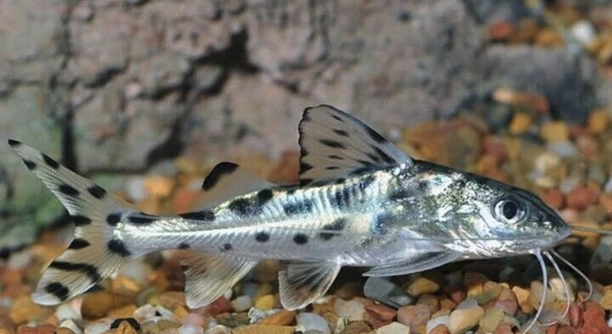
Do you ever wonder how big your Pictus Catfish will grow over time? Many fish owners want to know if these lively swimmers keep getting bigger or reach a certain size. Understanding their growth can help with proper care and tank planning.
Pictus Catfish grow steadily during their first few years and then slow down but never completely stop growing. Their size depends on genetics, diet, and tank conditions, with adult fish usually reaching around 4 to 5 inches in length.
Knowing how and when Pictus Catfish grow helps you provide the best environment for them to thrive and avoid surprises as they develop.
How Fast Do Pictus Catfish Grow?
Pictus Catfish grow quickly during their first year. When they are young, they focus energy on growing rather than breeding or resting. With good food and a clean tank, they can reach 3 to 4 inches within 12 months. After that, growth slows down but doesn’t stop completely. The size also depends on the space available; in small tanks, they tend to grow slower or stay smaller. It’s important to feed them a balanced diet rich in protein, like sinking pellets or frozen bloodworms, to support healthy growth. Overfeeding or poor water quality can stunt their growth and cause health issues. Watching your Pictus Catfish grow can be rewarding, as their sleek bodies and long fins become more impressive over time. Patience and proper care help ensure they reach their full potential without stress.
Pictus Catfish usually grow faster in larger tanks with plenty of hiding spots and clean water.
Growth slows down naturally after the first year but continues at a very slow pace. They can grow a bit longer as they age, sometimes adding a few extra millimeters each year. However, most of the noticeable growth is done early in life. Proper care and a good diet remain important to keep them healthy and active even after growth slows. Stress and poor conditions may affect their overall size and wellbeing.
How Big Do They Get?
Pictus Catfish typically reach about 4 to 5 inches when fully grown. In rare cases, some may grow slightly larger, but this depends on their environment and genetics. If they live in cramped tanks, growth can be limited. Providing a tank of at least 30 gallons helps them develop comfortably. They also need places to hide, like plants or caves, which reduce stress and promote healthy growth. Tank mates matter too; aggressive fish can stress them and affect size. Monitoring water parameters like pH and temperature helps keep the fish healthy. Consistent care helps Pictus Catfish reach their ideal size and live longer, happier lives in your aquarium.
Factors That Affect Growth
Tank size is a key factor. Larger tanks encourage better growth because the fish have more space to swim. Smaller tanks often limit size. Water quality also matters; clean, well-filtered water supports healthy growth and reduces stress. Poor conditions slow growth and cause health problems.
Feeding plays a big role too. A diet rich in protein helps Pictus Catfish grow strong and fast. Live or frozen foods like bloodworms and brine shrimp are great supplements to pellets. Overfeeding can cause water problems, so feeding in moderation is best. Temperature also influences growth; Pictus Catfish prefer temperatures between 75 and 82°F, which supports their metabolism and activity.
Stress impacts growth significantly. Stress from aggressive tank mates or overcrowding can stunt growth. Providing hiding places and peaceful companions helps them feel secure. Regular water changes and stable conditions also reduce stress. When fish feel safe and comfortable, they grow better and stay healthier.
Signs Your Pictus Catfish Has Stopped Growing
Most Pictus Catfish slow down after a couple of years, showing little to no size increase. When your fish stays the same length for months, it’s likely done growing. Their fins and body shape will appear full and mature.
If your catfish seems healthy but no longer grows, it’s usually a sign it has reached adult size. Growth can stop earlier if conditions are poor, so watch for signs of illness or stress. Proper care will help maintain their health even after growth ends. Sometimes they grow slightly longer as they age, but these changes are very small and slow.
Common Growth Problems
Stunted growth happens when fish face poor water quality, overcrowding, or bad diet. It can make your Pictus Catfish smaller than expected. Regular tank maintenance and balanced feeding prevent this issue.
Illness can also slow growth. Signs like lethargy, spots, or unusual swimming patterns mean a vet visit or treatment is needed.
How to Encourage Healthy Growth
Keep the tank clean by doing regular water changes and testing water parameters often. Feed high-quality food with protein to support growth. Avoid overcrowding to reduce stress and give your fish plenty of space. Also, maintain a stable temperature between 75 and 82°F to keep their metabolism steady. These steps help your Pictus Catfish stay healthy and grow well over time.
When to Adjust Tank Size
If your Pictus Catfish reaches 4 inches or shows signs of crowding, it’s time for a larger tank. More space means better growth and less stress.
FAQ
Do Pictus Catfish keep growing their whole life?
Pictus Catfish grow rapidly during their first year, then their growth slows down significantly but never fully stops. They may add small amounts of length as they age, but most noticeable growth happens early. Their size depends on genetics, tank conditions, and diet.
How big will my Pictus Catfish get?
On average, adult Pictus Catfish grow to about 4 to 5 inches long. Some can grow slightly larger, especially if kept in a spacious, well-maintained tank. Smaller tanks or poor care can limit their growth, so providing enough room and good food is important.
Why is my Pictus Catfish not growing?
If your Pictus Catfish isn’t growing, it might be due to stress, poor water quality, overcrowding, or an inadequate diet. Illness can also slow growth. Checking water parameters, improving diet, and reducing stress can help improve growth rates.
How often should I feed my Pictus Catfish?
Feeding your Pictus Catfish once or twice a day is usually enough. Provide high-quality sinking pellets and supplement with frozen or live foods like bloodworms or brine shrimp. Avoid overfeeding to keep water clean and fish healthy.
What is the ideal tank size for Pictus Catfish?
A tank of at least 30 gallons is recommended for a small group of Pictus Catfish. They are active swimmers and need space to move freely. A larger tank supports better growth and reduces stress from overcrowding.
Can Pictus Catfish live with other fish?
Yes, Pictus Catfish are peaceful and can live with other non-aggressive species. Avoid keeping them with very large or aggressive fish that may bully or harm them. Providing hiding spots also helps reduce stress in community tanks.
How do I know if my Pictus Catfish is stressed?
Signs of stress include hiding constantly, loss of appetite, erratic swimming, or faded colors. Stress slows growth and weakens the immune system. Improving tank conditions, reducing aggressive tank mates, and maintaining clean water can help reduce stress.
Do Pictus Catfish need special lighting or tank setup?
They prefer dim lighting or shaded areas because they are nocturnal. Including plants, caves, or decorations gives them places to hide and feel secure. This setup encourages natural behavior and promotes healthy growth.
Is temperature important for their growth?
Yes, keeping the water temperature between 75 and 82°F supports metabolism and healthy growth. Temperatures outside this range can stress the fish and slow growth. Using a reliable heater and thermometer helps maintain stable conditions.
How often should I change the water?
Regular water changes of about 20-30% weekly keep the tank clean and safe. This helps remove toxins that can build up and cause health issues or stunt growth. Consistency is key to maintaining good water quality.
Pictus Catfish are interesting fish that grow steadily over time, especially during their first year. Their growth slows down after that but does not completely stop. How big they get depends on several things like genetics, tank size, water quality, and diet. When cared for properly, they usually reach about 4 to 5 inches in length. Knowing these facts helps fish owners understand what to expect and how to care for their Pictus Catfish well.
Taking care of a Pictus Catfish means keeping the tank clean and spacious enough for them to swim comfortably. A larger tank helps support better growth and keeps the fish less stressed. Feeding them a balanced diet with high-quality food is important. Including live or frozen foods like bloodworms can provide good nutrients that promote healthy growth. Avoiding overfeeding is also necessary because too much food can pollute the water, which harms the fish.
Watching a Pictus Catfish grow can be rewarding, but it takes patience and attention. Growth happens mostly early on and slows down, so it is normal not to see big changes as the fish get older. Stress and poor conditions can stop growth, so keeping the fish healthy is key. With the right tank size, good water quality, and proper food, Pictus Catfish can live long, happy lives in your aquarium. Understanding their growth helps you give them the best care possible.

Hello,
If you enjoy the content that we create, please consider saying a "Thank You!" by leaving a tip.
Every little bit helps us continue crafting quality advice that supports the health, happiness, and well-being of pets around the world, for pets of all shapes, sizes, and species.
We really appreciate the kindness and support that you show us!