
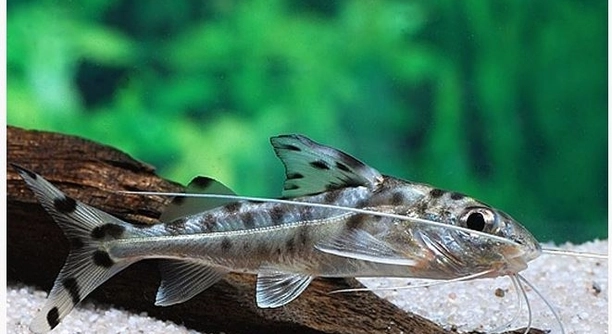
Pictus catfish are popular freshwater aquarium fish known for their active swimming and peaceful nature. Many aquarium enthusiasts are interested in how these fish contribute to tank cleanliness. Their behavior often leads to questions about their diet and algae consumption.
Pictus catfish do consume algae but are not primarily algae eaters. Their diet mainly consists of small invertebrates and detritus. While they may nibble on algae, their cleaning behavior is limited, making them a supplementary rather than a primary algae control option.
Understanding the extent of their cleaning habits can help aquarium owners maintain a balanced tank environment and manage algae growth more effectively.
What Do Pictus Catfish Eat?
Pictus catfish are omnivores, which means they eat a variety of foods. In their natural habitat, they feed on insects, small crustaceans, and plant matter. In an aquarium, they often enjoy sinking pellets, frozen or live foods like bloodworms and brine shrimp. While they do nibble on algae occasionally, it’s not their main food source. Their preference leans more toward protein-rich options rather than plant material. Providing a balanced diet helps keep them healthy and active. Overfeeding algae or plant-based foods may cause nutritional imbalances. Many owners notice their catfish scavenging along the tank bottom, looking for leftover food, which adds to their role in cleaning but doesn’t make them efficient algae eaters.
Pictus catfish also use their whiskers to find food in murky water. These barbels are sensitive and help them explore their environment for various edible items.
Their feeding habits contribute to overall tank cleanliness but are only part of maintaining a healthy aquarium.
How Effective Are Pictus Catfish at Cleaning Algae?
Pictus catfish provide some cleaning benefits by eating leftover food and small debris, which can reduce algae growth indirectly. However, their ability to consume algae itself is limited. Unlike specialized algae eaters, such as plecos or certain snails, pictus catfish focus on animal-based food rather than plants. This means they might nibble on algae if it is present but won’t eliminate large algae buildups.
For aquariums with persistent algae problems, relying solely on pictus catfish will not be effective. They should be part of a broader tank maintenance plan that includes regular cleaning, water changes, and possibly other algae-eating species. While pictus catfish contribute to the ecosystem by scavenging, they do not replace proper tank care.
Combining their natural scavenging with consistent aquarium upkeep helps keep the environment clean and balanced for all tank inhabitants.
Do Pictus Catfish Require Special Care?
Pictus catfish need a clean tank with good water quality. They prefer cooler water temperatures and plenty of hiding spots. Regular water changes are important to keep them healthy and active.
Maintaining water quality is crucial because pictus catfish are sensitive to poor conditions. They thrive in temperatures between 72 and 78°F (22 to 26°C) and need oxygen-rich water with gentle flow. Providing plants, rocks, or driftwood offers shelter and reduces stress. They are nocturnal and more active during dim light or at night. Tank mates should be peaceful since pictus catfish can be shy. Avoid aggressive species that might harass them. Feeding a varied diet ensures they get the nutrients needed to stay strong and vibrant.
Their care routine is straightforward but requires attention to detail. Monitoring water parameters regularly and avoiding overfeeding will promote a longer, healthier life for your pictus catfish.
Tank Setup for Pictus Catfish
A spacious tank with a soft substrate is ideal for pictus catfish. They use their barbels to search for food and prefer gentle surfaces to avoid injury. Decorations like caves and plants create a comfortable environment. Good filtration and aeration help maintain water quality. Avoid sharp objects that can damage their barbels or skin. They are active swimmers, so providing enough open space is important. Lighting should be moderate or dim to suit their nocturnal habits.
Regular tank maintenance is key. Cleaning filters, changing water, and removing debris keep the environment stable. This setup supports the catfish’s natural behaviors and keeps stress low. A well-maintained tank helps prevent disease and supports overall health. Proper space and hiding spots make them feel secure and encourage natural activity during feeding times or at night.
Common Mistakes When Keeping Pictus Catfish
Overfeeding is a frequent mistake that leads to poor water quality. Uneaten food decomposes and causes ammonia buildup, harming the fish. It’s important to feed only what they can consume within a few minutes.
Another issue is housing them with aggressive tank mates. Pictus catfish are peaceful and can get stressed or injured if kept with aggressive species. Choosing compatible companions helps maintain a calm environment.
Best Algae-Eating Tank Mates for Pictus Catfish
Good algae eaters to pair with pictus catfish include otocinclus, nerite snails, and Siamese algae eaters. These species specialize in controlling algae without harming others. Their diets focus on different types of algae and plant matter.
Having these tank mates helps reduce algae growth while pictus catfish focus on scavenging leftover food. This combination creates a balanced ecosystem where each species plays a role in keeping the tank clean and healthy.
How to Encourage Algae Eating in Pictus Catfish
Algae eating in pictus catfish can be encouraged by offering algae wafers occasionally. This supplements their diet and may promote nibbling on natural algae in the tank. However, it should not replace their primary diet. Providing a variety of foods supports their overall health and natural behavior.
FAQ
Do pictus catfish eat all types of algae?
Pictus catfish do nibble on some algae but are not efficient at eating all types. They mostly consume soft algae or film algae that may grow on surfaces. Hard or thick algae like green hair algae usually remain untouched by them. Their diet focuses more on protein, so algae is a minor part of what they eat.
Can pictus catfish live with other algae eaters?
Yes, pictus catfish coexist well with many algae eaters such as otocinclus, nerite snails, and Siamese algae eaters. These species complement each other by targeting different algae types or cleaning tasks. Having a mix of species helps maintain a cleaner tank overall, as each contributes in its own way.
How often should I feed pictus catfish?
Feeding pictus catfish once or twice a day is usually enough. Offer only what they can consume within a few minutes to avoid leftover food spoiling the tank. A varied diet with sinking pellets, frozen foods, and occasional algae wafers keeps them healthy and active.
Are pictus catfish nocturnal?
Yes, pictus catfish are mainly nocturnal. They tend to be more active during the evening and nighttime when the tank is dimly lit. During the day, they often hide in caves or under plants. Adjusting lighting to suit their habits can make their behavior easier to observe.
Can pictus catfish clean algae off aquarium glass?
While pictus catfish may occasionally nibble on algae on glass, they do not clean it thoroughly. Their barbels and mouth shape are not designed for scraping algae like plecos or certain snails. For effective glass cleaning, dedicated algae eaters or manual cleaning is recommended.
What water parameters are best for pictus catfish?
Pictus catfish thrive in slightly cooler water, with temperatures between 72 and 78°F (22 to 26°C). They prefer a pH range of 6.5 to 7.5 and moderately soft to neutral water hardness. Good filtration and regular water changes help maintain stable, healthy conditions.
How large do pictus catfish grow?
Pictus catfish typically grow to about 5 to 6 inches (12 to 15 cm) in length. They need a tank large enough to swim comfortably and accommodate their active nature. A tank of at least 30 gallons is recommended to provide sufficient space.
Are pictus catfish suitable for beginner aquariums?
They can be suitable for beginners if water quality and tank conditions are maintained properly. Their sensitivity to poor water conditions means owners must be diligent about regular maintenance. Providing proper diet, hiding places, and peaceful tank mates will ensure their well-being.
Do pictus catfish require special lighting?
Pictus catfish do not need special lighting but prefer moderate to low light levels. Bright lighting may cause stress and reduce their activity. Providing shaded areas or floating plants can help create a comfortable environment.
How long do pictus catfish live?
With good care, pictus catfish live about 8 to 10 years in an aquarium. Consistent water quality, proper diet, and a stress-free environment contribute to a longer lifespan.
Can pictus catfish breed in home aquariums?
Breeding pictus catfish at home is challenging and not very common. They require specific water conditions and triggers that are difficult to replicate in a typical aquarium. Most hobbyists purchase young catfish rather than breed them.
What signs show a pictus catfish is unhealthy?
Signs include lethargy, loss of appetite, clamped fins, or visible injuries. Cloudy eyes or abnormal swimming can also indicate illness. Poor water conditions often cause these symptoms, so regular monitoring and maintenance are essential.
Pictus catfish are interesting and active additions to many freshwater aquariums. While they do nibble on some algae, they are not reliable as primary algae cleaners. Their diet focuses more on animal-based foods like small invertebrates and leftover fish food. This means they can help keep the tank clean by scavenging leftover debris but will not completely control algae growth on their own. Understanding their feeding habits and cleaning behavior helps set realistic expectations for their role in the tank.
Proper care is essential to keep pictus catfish healthy and active. They need clean, well-filtered water with regular changes to avoid stress and illness. Providing hiding places and maintaining the right temperature range between 72 and 78°F supports their natural behavior. Feeding them a balanced diet with sinking pellets, frozen or live foods, and occasional algae wafers ensures they get the nutrients they need. Tank mates should be peaceful to prevent aggression and stress. A suitable tank setup with a soft substrate and moderate lighting helps pictus catfish feel secure and thrive.
While pictus catfish offer some benefits for tank cleanliness, relying on them alone for algae control is not enough. Combining them with other dedicated algae-eating species like nerite snails or Siamese algae eaters provides better results. Regular aquarium maintenance, including water changes and manual cleaning, remains important. Keeping the entire aquarium environment balanced supports the health of all inhabitants. Overall, pictus catfish are valuable for their scavenging behavior and lively presence, but their role in algae eating should be viewed as supplementary rather than primary.

Hello,
If you enjoy the content that we create, please consider saying a "Thank You!" by leaving a tip.
Every little bit helps us continue crafting quality advice that supports the health, happiness, and well-being of pets around the world, for pets of all shapes, sizes, and species.
We really appreciate the kindness and support that you show us!