
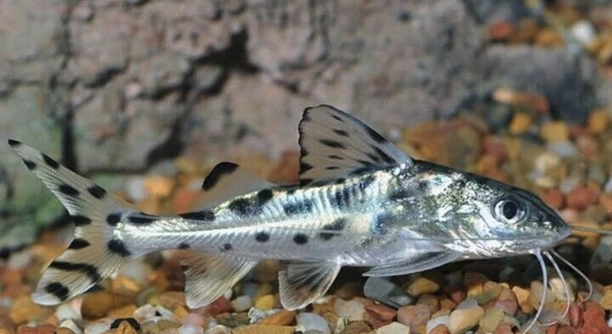
Have you ever brought home a pictus catfish and wondered if a breeder tank is the right setup for them? These active little swimmers often leave aquarists unsure about the best housing for their needs.
Pictus catfish do not typically do well in breeder tanks due to their need for space, strong currents, and social behavior. Breeder tanks are often too small and lack the proper environment to support their health and activity levels.
Understanding what pictus catfish require in their habitat can help you avoid common mistakes and create a setup that supports their natural behavior and long-term well-being.
Why Breeder Tanks Aren’t Ideal for Pictus Catfish
Pictus catfish are very active and need plenty of room to swim. Breeder tanks are usually shorter in height and more compact in space, which doesn’t suit the natural behavior of these fish. They prefer longer tanks with strong water flow and plenty of hiding spots. Breeder tanks often lack enough space for proper decorations and swimming zones, which can make the fish feel stressed. Stress in pictus catfish can lead to weakened immunity and poor eating habits. These tanks also rarely provide the kind of filtration needed to handle the bioload of these fast-moving fish. While they may look clean and simple, breeder tanks just don’t give pictus catfish what they need. They may work for some species, but not for ones that thrive on movement and interaction with their environment. A proper setup means a better quality of life and a healthier fish overall.
Keeping them in such a space can lead to health issues and aggressive behavior over time. They need more than just water and food.
If you’re housing pictus catfish, it’s better to use a standard tank that is at least 55 gallons or larger. This allows for proper swimming space, better oxygen flow, and stable water conditions. They also do best in groups, which means even more space is needed to reduce stress and help them feel safe. Standard tanks offer more flexibility for setting up caves, driftwood, and plants, which help mimic their natural environment. When they feel safe and have room to move, they show their natural patterns and behaviors more often. You’ll notice a difference in their energy and appetite. The right tank doesn’t just make things easier for you—it also keeps the fish calm and healthy. A well-structured tank is always better than a compact one that leaves them with limited choices. Thinking ahead about space and layout makes a big difference.
Key Things to Consider When Setting Up Their Tank
Smaller tanks might save space, but they don’t provide enough support for active species like pictus catfish. You need to think long-term.
Pictus catfish are fast swimmers and need water that flows steadily, like in rivers. That means using a strong filter and a longer tank that supports horizontal swimming. They’re also nocturnal and love to hide during the day, so it’s important to include plenty of caves or shaded areas using driftwood or rocks. These additions not only make them feel safe but also help reduce stress-related illness. The substrate should be soft and smooth since pictus catfish have delicate barbels that can be damaged easily. Adding floating plants can dim the lighting, which suits their shy nature. Keep the tank covered—they’re known to jump. Good water quality matters a lot, so regular cleaning and consistent monitoring of ammonia, nitrite, and nitrate levels are essential. Tankmates should be chosen carefully. Avoid slow or smaller fish that could be mistaken for food. Matching their pace and size will help avoid problems.
Common Problems When Using Breeder Tanks for Pictus Catfish
Pictus catfish can become restless and stressed in breeder tanks. The lack of space and weak water flow can lead to poor activity levels, hiding behavior, and even injuries from bumping into decorations or glass walls.
A big issue is the limited swimming space. These fish need room to move quickly and comfortably, and breeder tanks just don’t give them that. Their natural behavior includes darting around and exploring, which becomes difficult in such a confined setup. This often leads to boredom and erratic swimming patterns. The shallow design also doesn’t support proper filtration, which causes unstable water quality. Changes in ammonia or nitrite levels can cause skin problems and breathing issues. If they’re housed alone due to lack of space, they may become withdrawn and less active. Over time, all of this can impact their immune system and overall health in noticeable ways.
Another problem is the lack of hiding spots and structure in many breeder tanks. Pictus catfish feel more secure when they can retreat into caves or plants. Without that, they may stay hidden out of fear or become overly aggressive. They might even start fighting with other fish, especially if the space is shared. Poor lighting control is another factor that adds stress. Breeder tanks often don’t support the right balance of shade and cover, leaving them constantly exposed. All of this adds up to a situation where the fish can’t feel comfortable or thrive. Even if water parameters are stable, the lack of enrichment and movement space takes a toll on their behavior and energy levels.
Better Tank Features for Long-Term Health
A longer tank with solid filtration, stable water parameters, and natural decor can make all the difference. These setups reduce stress, encourage healthy movement, and allow for social behavior among multiple pictus catfish.
Using a tank that holds at least 55 gallons or more gives them room to swim without crashing into objects or glass. Horizontal space is more important than depth for these fish. Add smooth rocks, driftwood, and artificial caves to offer shelter. Use sand or fine gravel for the substrate to protect their delicate barbels. A reliable canister or internal filter helps maintain good water flow, which keeps oxygen levels up and supports their active nature. You’ll also want to keep lighting a bit dim or include floating plants to create shaded areas. Keep a secure lid on the tank, as pictus catfish are jumpers. When given enough space and the right environment, they show natural behavior, stay active, and eat well.
Signs Your Pictus Catfish Is Unhappy
Unusual swimming patterns, like constant pacing or sudden darting, can mean the tank setup is causing stress. They might also stay hidden more than usual or avoid food, which is not typical for healthy pictus catfish in a proper environment.
Torn fins, faded color, or frequent hiding during feeding time can be red flags. These signs often point to poor water conditions, lack of space, or too much light. Changes in behavior should be taken seriously and addressed quickly to avoid long-term health problems.
How to Transition from a Breeder Tank
Start by preparing the new tank in advance with proper filtration, water temperature, and decor. Move some of their existing tank items into the new space to help them feel more secure. Transfer them gently using a soft net or container, avoiding sudden temperature changes. Let them settle in without distractions for the first day. Monitor water levels closely during the first week and avoid adding new tankmates right away. Watch their behavior and feeding habits to ensure they’re adjusting well. A smooth transition can reduce stress and help them feel at home faster. It may take a little time, but it’s worth the effort.
Final Thought on Tank Size
A larger tank doesn’t just give them space—it helps them feel safer and behave naturally. If they’re active, eating well, and interacting with their environment, that’s a good sign you’re on the right track.
FAQ
Can pictus catfish live alone in a tank?
They can survive alone, but they do much better in small groups. Pictus catfish are naturally social and often feel more secure when kept with others of their kind. Being in a group reduces stress and helps them display normal behavior. If kept alone, they may become withdrawn, less active, or overly skittish. A group of three or more allows for interaction without creating too much competition for space, especially in a tank that’s at least 55 gallons.
How big of a tank do I really need for pictus catfish?
A minimum of 55 gallons is recommended for a small group. These fish are fast swimmers and need horizontal space more than depth. Anything smaller can restrict movement, cause stress, and lead to health problems. If you’re keeping more than three or adding other active fish, go larger—around 75 gallons or more. This helps with stable water conditions, better oxygen levels, and gives each fish enough room to establish their own territory without aggression.
Do pictus catfish need a filter with strong flow?
Yes, they do best in tanks with moderate to strong water flow. This mimics the river-like conditions they come from. A powerful filter not only keeps the water clean but also supports their energy levels and breathing. Canister filters or powerheads are good choices. Just make sure the flow isn’t so strong that it pushes them around constantly. You want enough movement to prevent still water and keep oxygen high, but still allow for rest.
What should I put in the tank to keep them happy?
Use smooth rocks, caves, and driftwood to create hiding spots. These fish are nocturnal and feel safer when they have shaded areas to rest during the day. Fine sand or smooth gravel works best as a substrate since their barbels are sensitive. Avoid anything sharp or rough. Floating plants help dim the light, which is more comfortable for them. Decorations that create little tunnels or shaded zones are also great additions, especially in a group setup.
Can I keep pictus catfish in a community tank?
Yes, but tankmates need to be chosen carefully. Avoid slow swimmers or fish small enough to fit in the pictus catfish’s mouth, like neon tetras or guppies. Better choices include larger, peaceful species like silver dollars, giant danios, or larger barbs. Also, don’t pair them with overly aggressive or territorial fish. They do fine with other bottom dwellers as long as there’s enough room and hiding spots to avoid conflict. Keep an eye on feeding, too—they’re fast eaters and might outcompete slower fish.
What temperature and pH do pictus catfish need?
They thrive in temperatures between 74°F and 80°F. Keep the pH between 6.5 and 7.5. Stability matters more than perfection, so try to keep the temperature and pH steady. Sudden shifts in either can cause stress or illness. Use a reliable heater and thermometer, and test the water regularly to catch any changes early. Water hardness isn’t a major concern as long as it’s within a moderate range. Always treat tap water to remove chlorine before using it in the tank.
Do pictus catfish jump out of tanks?
Yes, they can and often will, especially if startled or stressed. They’re strong swimmers and can leap with surprising force. Always use a secure, tight-fitting lid on the tank. Gaps or loose covers are risky. Even if they seem calm, sudden noise or activity can cause them to panic and jump. A covered tank not only protects them but also keeps water from evaporating too quickly. It’s a simple step that can prevent serious accidents.
How often should I clean the tank?
Do partial water changes of about 25% every week. This helps remove waste and keeps nitrate levels low. Pictus catfish are messy eaters and produce a lot of waste, so staying on top of water changes is important. Clean the filter monthly, but don’t wash it with tap water—use tank water to avoid killing beneficial bacteria. Vacuum the substrate lightly each week to clear out uneaten food and waste without disturbing the setup too much. Regular maintenance keeps everything stable and helps the fish stay healthy.
Final Thoughts
Keeping pictus catfish in the right tank setup makes a big difference in their health and behavior. While breeder tanks may seem like a good starting point, they are usually not the best option for this species. Pictus catfish need space to swim, strong water flow, and enough hiding spots to feel safe. In breeder tanks, the space is often too limited, and the layout doesn’t match what they need to stay active and comfortable. Over time, this can cause stress, sickness, or even aggression. A standard tank with proper length, filtration, and structure offers a much better environment where they can thrive.
These fish are naturally social, curious, and full of energy. Giving them enough room and the right water conditions helps them show their true behavior. When their needs are met, they’re more likely to swim around freely, eat well, and interact with their surroundings. You’ll also see brighter colors and fewer signs of stress. Even simple changes—like adding smooth hiding spots, keeping the lighting dim, or using a stronger filter—can have a positive effect. It may take a bit more planning at first, but once everything is in place, maintenance becomes easier and the fish stay healthier in the long run.
If you’re already using a breeder tank, it’s still possible to make improvements or prepare for a move to a better-suited setup. Watching for behavior changes and health issues will help guide your next steps. A stable environment with good water quality and enough space will always lead to better outcomes. Pictus catfish are hardy and adaptable, but they do have clear needs that shouldn’t be ignored. Choosing the right tank setup from the start saves time, money, and stress for both you and the fish. Whether you’re just starting out or rethinking your current setup, focusing on what’s best for the fish will help you build a better, more enjoyable aquarium.

Hello,
If you enjoy the content that we create, please consider saying a "Thank You!" by leaving a tip.
Every little bit helps us continue crafting quality advice that supports the health, happiness, and well-being of pets around the world, for pets of all shapes, sizes, and species.
We really appreciate the kindness and support that you show us!