
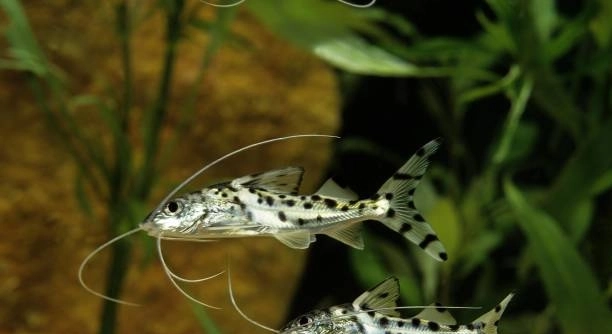
Do you enjoy keeping Pictus catfish in your aquarium and wonder how they interact with their environment? These lively fish often swim around various decorations, which may influence their behavior and comfort. Their response to decor can be quite interesting to observe.
Pictus catfish do develop preferences for certain types of decor in their tanks. They tend to favor hiding spots and smooth surfaces that offer shelter and security. These preferences help reduce stress and encourage natural behaviors in captivity.
Knowing how Pictus catfish respond to different decorations can help create a better tank environment for them. This article explores how their preferences impact their well-being and what you can do to support their needs.
How Pictus Catfish Use Decor in Their Habitat
Pictus catfish are naturally active and curious fish. In their natural environment, they live in rivers with plenty of plants, rocks, and hiding spots. In an aquarium, decor plays an important role in making them feel secure. They often swim around and explore items like caves, driftwood, and smooth stones. These decorations offer places to hide and rest, which helps reduce stress. When a tank has varied decor, Pictus catfish are more likely to display natural behaviors such as resting under leaves or darting through crevices. It also helps them avoid bright light, which they prefer to escape from during the day. This creates a more comfortable and engaging space for them to thrive.
Decor not only gives Pictus catfish shelter but also stimulates their activity and mental health. A simple tank can make them shy or inactive.
Adding the right decorations encourages healthy exploration and reduces signs of stress. Pictus catfish especially appreciate gentle hiding spots where they can retreat if they feel threatened. Rounded stones and plants with broad leaves seem popular, as they offer smooth surfaces and cover. Open swimming areas combined with secure shelters create a balanced tank setup. Over time, these fish may choose favorite spots for resting or hiding, showing clear preferences. Observing their choices can help aquarists adjust the environment to better suit their needs. A well-decorated tank promotes natural habits and a happier fish.
Recognizing Preferences in Pictus Catfish
Pictus catfish often show clear choices in where they like to spend time. These preferences are not random but linked to their instincts.
Understanding these preferences can improve how we care for them. Providing a variety of decor options allows the fish to express natural behavior and pick what suits them best. This leads to a healthier and more relaxed fish in the aquarium.
Types of Decor Preferred by Pictus Catfish
Pictus catfish favor decor that offers both shelter and open swimming space. They tend to choose smooth rocks, driftwood, and plants with broad leaves over sharp or rough surfaces. These choices help protect their delicate barbels and skin.
Smooth surfaces prevent injury and create comfortable resting spots. Driftwood is popular because it mimics natural habitats and provides hiding places underneath or around it. Plants with large leaves offer shade and cover, helping fish feel safe. Hard or sharp decorations can cause damage or stress, so they are usually avoided. In addition to hiding spots, Pictus catfish enjoy open areas nearby, where they can swim freely without feeling exposed.
The size and placement of decor matter as well. Larger decorations that create caves or tunnels encourage exploration and hiding. These features support natural behavior, reducing anxiety. Having a mix of tall plants, low rocks, and driftwood allows catfish to choose different areas based on mood and activity level. A varied tank setup keeps them comfortable and engaged.
How to Arrange Decor for Best Results
Placing decor thoughtfully is key to meeting the needs of Pictus catfish. Arrange hiding spots near open swimming zones so fish feel secure but not trapped.
Spacing decorations to allow smooth swimming paths is important. Crowding a tank with too many items can cause stress or restrict movement. Instead, balance the layout to offer shelter without limiting space. Position caves and driftwood in quiet corners, where the fish can rest safely. Use plants to create natural barriers or shade but avoid dense clusters that block light completely. Adjusting decor height and layering helps create a natural feel, encouraging activity.
Regularly observe the fish’s behavior to see which areas they prefer. Move or add items if needed to improve comfort. This simple attention can make a big difference in their well-being and happiness.
Signs Your Pictus Catfish Has a Favorite Spot
Pictus catfish often return to the same hiding places or swim routes. They may rest longer in certain corners or under specific plants, showing clear attachment.
Observing repeated behavior around a decoration signals preference. These spots provide comfort and security, which the fish seek regularly.
Why Decor Variety Matters
Offering a range of decorations allows Pictus catfish to explore and choose based on mood or needs. Different textures and shapes keep their environment interesting and less stressful. Variety supports natural instincts for hiding, swimming, and resting. Without options, fish might become bored or anxious.
Avoiding Stress Through Proper Decor
Sharp or rough decorations can injure Pictus catfish’s sensitive barbels and skin. Always check decor for smoothness to prevent harm.
Maintaining Decor Cleanliness
Regular cleaning prevents algae buildup and keeps decorations safe and appealing for your fish.
FAQ
Do Pictus catfish need hiding spots in their tank?
Yes, hiding spots are important for Pictus catfish. They are naturally shy and feel safer when they have places to retreat. Hiding spots reduce stress and encourage natural behavior. Decorations like caves, driftwood, and dense plants offer good shelter and comfort for them.
Can Pictus catfish live without decorations?
While they can survive without decor, it is not ideal. A bare tank can cause stress because the fish lack places to hide or explore. This may lead to shy or withdrawn behavior. Providing some form of decor improves their well-being and encourages active swimming.
What type of plants work best for Pictus catfish tanks?
Pictus catfish prefer broad-leaf plants that offer shade and cover. Plants like Anubias, Java fern, and Amazon sword are great choices. These plants have smooth leaves that won’t damage their barbels. Floating plants also help diffuse light and create a calm environment.
Is driftwood safe for Pictus catfish?
Yes, driftwood is safe and often beneficial. It mimics their natural habitat and provides hiding spots. Driftwood can also slightly lower the pH, creating conditions closer to their native waters. Make sure the wood is properly cleaned and soaked before adding it to the tank.
How often should I rearrange the tank decor?
Rearranging can be done occasionally but should not be frequent. Too much change can stress the fish. Observing their behavior first helps understand what they prefer. Small adjustments may encourage exploration, but keep familiar hiding spots intact to maintain their sense of security.
Can Pictus catfish damage plants or decor?
Pictus catfish are generally peaceful and do not damage plants or decorations. They may occasionally nibble on plants but usually do not harm them. Their barbels are sensitive, so they avoid rough or sharp surfaces. Providing soft plants and smooth decor protects both the fish and the tank setup.
What signs show that Pictus catfish like their tank setup?
Signs include active swimming, regular use of hiding spots, and calm resting periods. Fish that explore the tank comfortably or return often to certain decor pieces show contentment. Lack of hiding or constant hiding in one spot may indicate stress or discomfort.
Can tank decor affect Pictus catfish health?
Yes, tank decor plays a role in health. Sharp or rough decorations can injure barbels and skin, leading to infections. Poorly cleaned decor may introduce harmful bacteria. Providing smooth, safe decorations and maintaining cleanliness supports their physical well-being and reduces stress.
Is it better to have natural or artificial decor for Pictus catfish?
Both natural and artificial decor can work, but natural items like driftwood and live plants are often preferred. They create a more realistic environment and benefit water quality. Artificial decor should be smooth and free of sharp edges. Choose materials safe for aquarium use.
How can I tell if a decor item is safe for my Pictus catfish?
Check for smooth edges and non-toxic materials. Avoid decorations painted with harmful chemicals or those that can leach toxins into the water. It helps to rinse new decor well and soak natural wood to remove tannins. If unsure, research the item before adding it to the tank.
Do Pictus catfish prefer dim lighting or bright tanks?
Pictus catfish prefer dim lighting. Bright tanks can stress them, as they are nocturnal and avoid strong light. Using plants or floating decor to diffuse light creates a more comfortable environment. Low to moderate lighting helps them feel secure and active.
Can tank decor influence Pictus catfish social behavior?
Yes, decor affects social behavior by providing territories and hiding spots. In crowded tanks, having enough shelters reduces aggression and competition. It allows shy fish to escape and lowers stress, promoting peaceful interactions. Proper decor setup encourages a balanced social environment.
How important is the size of the decor pieces?
Size matters because it affects swimming space and hiding ability. Large decor pieces can provide good shelter but should not overcrowd the tank. Small items are useful for creating varied textures but must not block movement. Balance between open space and decor helps fish feel secure and free to explore.
What should I avoid when choosing decor for Pictus catfish?
Avoid sharp, rough, or toxic materials that can harm the fish. Do not use decor that can easily break or leach chemicals. Avoid overcrowding the tank with too many items, as this restricts swimming and can cause stress. Choose decor based on safety, smoothness, and natural feel.
How can I encourage my Pictus catfish to explore new decor?
Introduce new items gradually and place them near existing preferred spots. Give the fish time to adjust and observe their reaction. Rearrange items slightly to create new pathways. Avoid sudden large changes to prevent stress. Positive exploration helps keep the fish active and curious.
Is it normal for Pictus catfish to ignore some decorations?
Yes, fish may not use all decorations equally. Preferences depend on comfort, safety, and individual personality. Some items may be too exposed or unsuitable. Observing their behavior helps identify favored spots. Unused decor can be repositioned or replaced to better fit their needs.
When keeping Pictus catfish, paying attention to their environment is important for their health and happiness. These fish are active and curious but also need places to hide and feel safe. Providing the right decorations in their tank helps them behave naturally and reduces stress. Smooth rocks, driftwood, and broad-leaf plants are some of the best choices because they offer shelter and prevent injury. A well-decorated tank can make a big difference in how comfortable your catfish feel.
It is also important to arrange the decorations thoughtfully. Too many items crowded together can limit swimming space and cause stress. On the other hand, a tank with too few hiding spots may leave the fish feeling exposed. Finding a balance between open areas and safe shelters allows Pictus catfish to explore, rest, and swim freely. Observing your fish’s behavior can guide you in adjusting the tank setup to suit their preferences. Sometimes small changes in decor placement can encourage more activity and reduce signs of stress.
Maintaining clean and safe decorations supports your Pictus catfish’s well-being over time. Rough or sharp decor should be avoided to protect their delicate barbels and skin. Natural decorations, like driftwood and live plants, create a more familiar and comfortable environment. Regular cleaning prevents algae buildup and keeps the tank healthy. Overall, understanding the needs and preferences of Pictus catfish helps create a tank where they thrive. Giving them a thoughtful and secure environment is key to enjoying these lively and beautiful fish.

Hello,
If you enjoy the content that we create, please consider saying a "Thank You!" by leaving a tip.
Every little bit helps us continue crafting quality advice that supports the health, happiness, and well-being of pets around the world, for pets of all shapes, sizes, and species.
We really appreciate the kindness and support that you show us!