
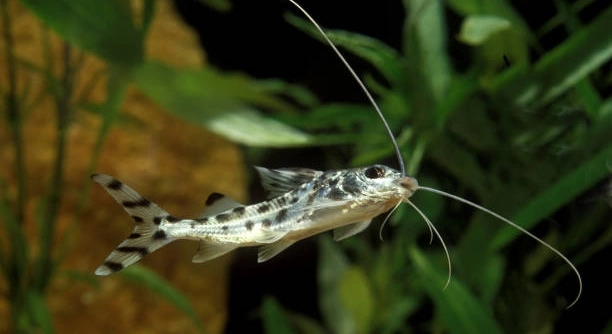
Many fish owners seek ways to improve their aquarium environment for their pets. UV lighting is often considered for its potential benefits. Pictus catfish, a popular freshwater species, may have specific needs that influence this choice.
Pictus catfish do not specifically require UV lighting to thrive. While UV light can support plant growth and help control algae, it does not provide direct health benefits to these catfish. Proper tank conditions and diet remain essential for their well-being.
Understanding the role of UV lighting in your tank can help maintain a healthy habitat. This article explains what UV lighting means for pictus catfish and their care requirements.
What UV Lighting Does in Aquariums
UV lighting mainly promotes the growth of aquatic plants and helps control algae in freshwater tanks. It mimics natural sunlight, which can improve the overall environment by encouraging photosynthesis. However, UV light itself is not a direct health factor for most fish species, including pictus catfish. These fish rely more on water quality, temperature, and diet to stay healthy. UV lighting can make the tank look brighter and more natural, which many aquarium owners appreciate. Still, it is important to remember that it is not a necessity for pictus catfish care. Keeping the water clean and stable plays a bigger role in their wellbeing than lighting alone. Additionally, too much UV exposure might cause stress or algae overgrowth if not balanced properly.
UV lighting benefits plants and algae control but does not directly affect pictus catfish health or behavior.
Considering these points helps create a balanced tank environment. While UV light adds visual appeal and supports plants, focusing on water conditions is critical for your catfish’s health.
Pictus Catfish Natural Habitat and Light Exposure
Pictus catfish come from rivers and streams with shaded areas, where light exposure is moderate. They tend to avoid bright, direct sunlight and prefer dimmer surroundings. Their natural habitat is usually filled with plants and hiding spots that offer protection from strong light. This means that strong UV lighting is not necessary and might even make them uncomfortable. In aquariums, replicating these dim conditions helps reduce stress and promotes natural behavior. Soft lighting combined with plenty of places to hide will support their wellbeing better than intense UV lights.
In summary, moderate light that mimics shaded water conditions is best for pictus catfish.
Creating an environment similar to their native habitat helps pictus catfish feel secure. Avoiding harsh lighting and ensuring there are plenty of hiding places encourages them to swim actively and stay healthy. Bright UV lights can cause stress or reduce their activity, so gentle illumination is preferred. Using floating plants or shaded decorations can help control light levels and make the tank more comfortable. Balancing light with water quality and diet creates a stable environment where pictus catfish can thrive naturally.
Effects of UV Lighting on Pictus Catfish Behavior
Pictus catfish may become stressed if exposed to intense or prolonged UV lighting. They prefer low to moderate light levels and rely on shaded areas for comfort and safety.
Stress from bright light can cause these catfish to hide more and reduce their natural swimming activity. When stressed, their immune system weakens, making them more vulnerable to illness. Bright UV lighting can also interfere with their nocturnal habits, as pictus catfish are more active during low light conditions. Ensuring gentle lighting helps maintain their regular behavior and reduces anxiety in the tank.
Maintaining a calm environment with controlled lighting supports healthy behavior in pictus catfish. Avoiding strong UV exposure helps keep them active and comfortable.
Alternatives to UV Lighting for Tank Health
Proper filtration and regular water changes have a much greater impact on tank health than UV lighting alone. Clean water reduces harmful bacteria and toxins, promoting a stable habitat for pictus catfish. Using activated carbon filters or biological filtration supports water clarity without relying on UV light.
Natural or LED lighting systems designed to mimic daylight without excessive UV radiation can enhance the tank environment. These lights support plant growth and maintain a balanced ecosystem without stressing sensitive fish. Combining good filtration, stable water parameters, and moderate lighting is the best approach to keeping pictus catfish healthy.
UV Sterilizers vs. UV Lighting
UV sterilizers use ultraviolet light to kill harmful bacteria and parasites in aquarium water. They help maintain water quality by reducing pathogens without affecting fish directly.
UV lighting, on the other hand, mainly supports plant growth and algae control but does not sterilize the water or benefit fish health directly.
When to Consider UV Sterilizers
UV sterilizers are useful in tanks with frequent disease outbreaks or high bio-loads. They can reduce waterborne pathogens and improve overall water clarity. However, for a well-maintained tank with pictus catfish, regular cleaning and filtration are usually enough. UV sterilizers should not replace proper tank maintenance but can be added as a supplementary tool in specific situations.
Proper Lighting for Pictus Catfish Tanks
Soft, dim lighting that mimics their natural shaded habitat is ideal. Avoid bright or direct UV lights that can cause stress.
Key Takeaway on UV Lighting
UV lighting is not essential for pictus catfish health and should be used thoughtfully within the tank setup.
FAQ
Do pictus catfish need UV lighting to stay healthy?
Pictus catfish do not require UV lighting for their health. Their wellbeing depends more on clean water, proper diet, and a suitable environment with hiding places. UV lighting mainly benefits plants and helps control algae but does not provide direct health effects to these fish. Ensuring good water quality and tank maintenance is far more important.
Can UV lighting harm pictus catfish?
Yes, excessive or intense UV lighting can cause stress to pictus catfish. These fish naturally live in shaded waters and prefer low to moderate light. Bright or continuous UV exposure may lead to hiding, reduced activity, and weakened immune response. Keeping lighting gentle and balanced helps avoid these problems.
Is a UV sterilizer the same as UV lighting?
No, they serve different purposes. A UV sterilizer uses ultraviolet light to kill harmful bacteria, parasites, and pathogens in aquarium water, improving water quality. UV lighting, however, is designed to mimic sunlight, aiding plant growth and algae control but does not sterilize water. Both can be useful, but only sterilizers impact disease control directly.
Will UV lighting improve algae problems in my tank?
UV lighting can help control algae growth indirectly by supporting healthy plants that compete with algae for nutrients. However, too much UV light or poor tank maintenance can worsen algae issues. Balancing light levels, keeping the tank clean, and managing nutrients are more effective ways to prevent algae overgrowth.
How should I light a pictus catfish tank?
Use soft, dim lighting that mimics the catfish’s natural habitat. Avoid bright or direct lights that can cause stress. Floating plants or shaded decorations can help filter light and create shaded areas. Moderate LED or natural daylight bulbs without strong UV rays work best.
Can UV light help my plants grow better?
Yes, UV light supports photosynthesis, which helps aquatic plants grow healthier and stronger. However, it’s important to balance light exposure because too much UV can harm fish. Using light designed specifically for planted tanks ensures plants get enough light without stressing the fish.
Should I buy a UV sterilizer for my pictus catfish tank?
Only consider a UV sterilizer if you have ongoing disease problems or high bio-load in your tank. For most healthy tanks, proper filtration, water changes, and regular cleaning keep water safe. UV sterilizers are helpful tools but are not required for pictus catfish care.
What other lighting options are good for pictus catfish?
LED lights with adjustable brightness and spectrum are excellent choices. They provide control over light intensity and color, allowing you to create a natural, comfortable environment. Avoid intense halogen or fluorescent bulbs with strong UV output, as these can stress the fish.
Does UV lighting affect nocturnal behavior?
Yes, strong UV lighting can disrupt pictus catfish’s natural nocturnal activity. These catfish are more active in low light and rely on darkness or shaded areas to feel safe. Bright lights, especially UV, can reduce their movement and cause hiding, impacting their wellbeing.
How can I create a balanced environment without UV lighting?
Focus on stable water conditions, proper filtration, and moderate lighting. Include plants and decorations that provide hiding spots and shaded areas. Regular water testing and maintenance keep the tank safe. This approach supports pictus catfish’s natural behavior and health without needing UV lights.
Final Thoughts
UV lighting is not a necessity for pictus catfish, as their health depends mostly on proper water quality, diet, and a comfortable environment. These fish come from shaded rivers and streams, so they thrive best with soft, moderate lighting that mimics their natural habitat. While UV lighting can support plant growth and control algae in the tank, it does not offer direct benefits to pictus catfish themselves. Understanding this helps avoid unnecessary equipment and ensures focus stays on the most important factors for their care.
Stress caused by too much or too strong UV light can affect pictus catfish behavior, causing them to hide more and become less active. This can lead to a weakened immune system and increase their risk of illness. Keeping the lighting gentle and providing plenty of hiding spots creates a safer, more natural space for these fish. Tank owners should prioritize maintaining clean, stable water conditions, along with a proper diet, to keep pictus catfish healthy and active. UV lighting should be used cautiously and only when it adds clear value to the tank environment.
For those considering UV sterilizers or other UV equipment, it is important to remember these tools are different from regular UV lighting. UV sterilizers can help control harmful bacteria and parasites in the water but are not essential unless the tank has specific health problems. Good filtration, regular water changes, and stable water parameters usually provide the best support for pictus catfish wellbeing. In summary, a balanced tank setup with proper care and gentle lighting is the key to keeping pictus catfish healthy, while UV lighting remains a non-essential option that should be used thoughtfully.

Hello,
If you enjoy the content that we create, please consider saying a "Thank You!" by leaving a tip.
Every little bit helps us continue crafting quality advice that supports the health, happiness, and well-being of pets around the world, for pets of all shapes, sizes, and species.
We really appreciate the kindness and support that you show us!