
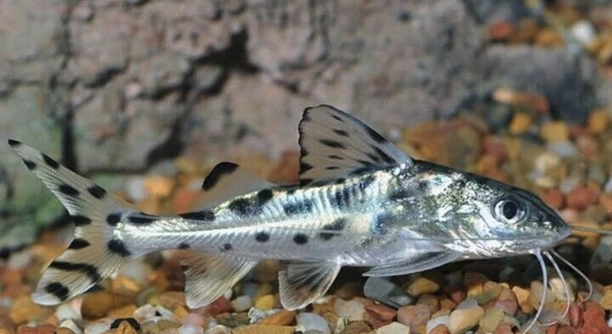
Pictus catfish are popular in home aquariums for their active and social behavior. Many fishkeepers notice changes in their catfish when breeding time approaches. These changes can be subtle but important to understand.
Pictus catfish exhibit distinct behavioral changes during breeding mode, including increased territoriality, nest preparation, and more frequent interaction between mates. These behaviors serve to ensure reproductive success and protect their offspring in their natural environment.
Knowing how pictus catfish act during breeding helps aquarium owners provide the right conditions. This understanding supports healthier fish and a better breeding experience overall.
Behavioral Changes in Breeding Mode
During breeding, pictus catfish show clear changes in behavior that signal their readiness to mate. They become more territorial and may chase other fish away from their chosen area. Nest-building activities also increase, with the catfish cleaning surfaces and sometimes moving small objects. Males and females interact more closely, often swimming side by side and touching each other gently with their barbels. These behaviors help prepare the environment for eggs and protect the future fry. Observing these changes can be very rewarding for aquarium keepers because it shows the fish are healthy and comfortable in their tank.
Breeding pictus catfish require stable water conditions and a calm environment. Stress can prevent these natural behaviors from appearing.
Understanding these behaviors allows you to better support the fish during breeding. Providing hiding spots and soft lighting can encourage them to breed successfully. Watching their interactions can also deepen your appreciation for their natural instincts and social patterns.
Preparing the Aquarium for Breeding
To encourage breeding behavior, the aquarium must be properly prepared. Keeping the water clean and slightly cooler than usual can help trigger spawning. Adding flat surfaces or broad leaves gives the catfish places to lay eggs. It’s important to reduce sudden noise or movement around the tank, as this can stress the fish and delay breeding. A well-balanced diet also supports reproductive health, so including live or frozen foods rich in nutrients is beneficial.
Proper tank setup creates a safe space for pictus catfish to focus on breeding and caring for their young.
When setting up the aquarium, pay attention to water parameters like pH, temperature, and hardness. Pictus catfish prefer slightly acidic to neutral water with a temperature between 75 and 79°F (24–26°C). Gradually lowering the temperature by a few degrees can stimulate breeding activity. Adding plants or smooth stones provides ideal spots for egg attachment. Keep the lighting soft, mimicking their natural environment, which helps reduce stress. Feeding the fish high-quality protein foods such as bloodworms or brine shrimp boosts their energy and encourages spawning. Regular water changes and good filtration maintain healthy conditions. Avoid overcrowding the tank because too many fish can increase aggression and disrupt breeding behavior. By following these steps, aquarium owners can create an environment that supports natural breeding patterns and increases the chances of successful reproduction.
Signs of Successful Spawning
After breeding behaviors, egg laying usually occurs on smooth surfaces like plant leaves or tank glass. The eggs are small, sticky, and translucent, often clustered together.
Pictus catfish parents may guard the eggs, fanning them gently with their fins to keep them clean and oxygenated. This care lasts until the eggs hatch, usually within 3 to 5 days. During this time, the adults may become more protective and aggressive toward other fish. It’s important to keep disturbances to a minimum, ensuring the eggs remain safe and develop properly.
Once hatched, the fry are tiny and vulnerable. Parents often continue guarding them, though some catfish may leave after hatching. Providing plenty of hiding spots and gentle water flow helps the young fish survive and grow.
Changes in Social Behavior During Breeding
Pictus catfish become less social with other tank mates during breeding, focusing more on their mate and territory. This shift can lead to increased aggression, especially from males protecting nesting sites.
This change can be challenging in a community tank. Other fish may need to be separated temporarily to prevent stress or injury. Watching these interactions closely helps you manage tank dynamics and maintain peace. It’s a sign that your catfish are invested in successful breeding, but it requires careful observation and intervention if needed.
Feeding Changes During Breeding
Pictus catfish tend to eat more when they are preparing to breed. They need extra energy to support spawning activities.
Offering protein-rich foods like bloodworms or brine shrimp helps meet their increased nutritional needs during this time.
Post-Breeding Behavior
After breeding, pictus catfish often return to their normal social habits. The aggression and territorial behaviors usually decrease once the fry are independent.
The adults may still show some protective behavior for a short time, but they gradually become less focused on the breeding site as the young grow.
Common Challenges in Breeding
Breeding pictus catfish can face challenges like water quality issues, stress, and aggression from other tank mates. Maintaining stable conditions and minimizing disturbances is crucial for success.
Inadequate nutrition or improper tank setup can also affect breeding outcomes. Keeping a calm, clean environment supports healthier fish and better chances of raising fry successfully.
Monitoring Fry Development
It’s important to watch the fry closely during their early days. Healthy fry will swim actively and start feeding within a week.
FAQ
How long does breeding mode last in pictus catfish?
Breeding mode usually lasts from a few days up to two weeks. During this time, males and females show distinct behaviors such as nest preparation, increased interaction, and territorial defense. After the eggs hatch, the parents gradually return to their normal routines.
Can pictus catfish breed in a community tank?
Yes, but it can be tricky. Breeding behaviors often lead to increased aggression, which might stress other fish. It helps to provide plenty of hiding spots or even separate the breeding pair temporarily to protect both the catfish and their tank mates.
What triggers pictus catfish to enter breeding mode?
Changes in water temperature, quality, and lighting can trigger breeding behavior. Slightly cooler water and consistent clean conditions simulate their natural environment, encouraging spawning. Feeding high-protein foods also supports breeding readiness.
Do pictus catfish eat their eggs?
Sometimes, especially if stressed or if the eggs are infertile. Providing a calm environment and separating the eggs or parents from other fish can reduce this risk. Monitoring the fish closely helps identify any problematic behavior early.
How can I tell if the eggs are fertilized?
Fertilized eggs usually appear clear or slightly yellowish and develop a tiny dark spot as the embryo grows. Unfertilized eggs turn white or cloudy and often get fungus. Removing unfertilized eggs helps protect the healthy ones.
What should I feed the fry?
Fry should be fed small, frequent meals. Infusoria or liquid fry food is best at first, moving to newly hatched brine shrimp or finely crushed flakes as they grow. Feeding small amounts multiple times a day supports healthy development.
How much space do pictus catfish need for breeding?
They prefer a spacious tank with plenty of hiding places and flat surfaces for egg laying. At least 30 gallons is recommended for a breeding pair, but larger tanks reduce stress and aggression.
Can I keep the parents with the fry?
It depends. Some pictus catfish may protect their young, but others might eat the fry. If you notice aggressive behavior, it’s best to separate the fry into a different tank until they are large enough to avoid predation.
How often do pictus catfish breed?
In good conditions, they may breed every few weeks or months. However, constant breeding without proper care can stress the fish. Allowing rest periods between spawning helps keep the catfish healthy.
What signs show that pictus catfish are ready to spawn?
Look for increased activity between males and females, nest cleaning, chasing away other fish, and touching with barbels. Males may show brighter coloration, and both will focus on a specific spot in the tank for egg laying.
Is special lighting needed for breeding?
Soft, dim lighting is preferred during breeding to reduce stress. Harsh or bright lights can cause agitation or disrupt natural behaviors, so adjustable lighting or covering part of the tank is useful.
How can I reduce aggression during breeding?
Providing plenty of hiding spots, rearranging decorations to break line of sight, and keeping the tank well-maintained helps lower stress and aggression. Separating overly aggressive fish temporarily can also prevent injuries.
What water parameters are best for breeding pictus catfish?
A temperature of 75-79°F (24-26°C), pH around 6.5 to 7.0, and soft to moderately hard water work best. Regular water changes and stable conditions encourage healthy breeding behavior.
Can pictus catfish breed without a mate in the tank?
No, they require both male and female to reproduce. Identifying sexes can be difficult but males are usually slimmer and more active during breeding. Ensuring a compatible pair is key for success.
What happens if eggs don’t hatch?
Unhatched eggs may be infertile or affected by poor water conditions. Removing these eggs and improving tank care can prevent fungus and increase the chances for future successful hatching.
How long until fry are free swimming?
Fry usually become free swimming about 3 to 5 days after hatching. At this stage, they begin feeding on tiny foods and can be gradually introduced to the main tank environment if conditions are safe.
Pictus catfish show clear changes in behavior when they enter breeding mode. These changes include becoming more territorial, preparing nesting sites, and increasing interaction between mates. Understanding these behaviors is important for anyone who keeps pictus catfish in an aquarium. When you recognize the signs, you can provide the right care and environment to support their natural breeding process. This helps make sure the fish stay healthy and that breeding is successful.
Creating a proper environment is key to encouraging breeding in pictus catfish. Keeping water clean and stable, adjusting temperature slightly, and offering places for egg laying all help the fish feel comfortable. Feeding them a diet rich in protein supports their energy needs during this time. It’s also important to watch for changes in social behavior. Aggression and territoriality may increase, which is natural but can affect other fish in the tank. Providing hiding spots and separating fish if needed can keep the tank peaceful.
Breeding pictus catfish can be rewarding but also requires patience and careful attention. Observing the fish closely allows you to respond to their needs and protect both the adults and fry. Some challenges like water quality issues or stress can make breeding harder, but these can often be managed with good tank care. Overall, understanding how pictus catfish act during breeding helps you create the best environment for them. This knowledge supports their health and increases the chances of successful reproduction in your aquarium.

Hello,
If you enjoy the content that we create, please consider saying a "Thank You!" by leaving a tip.
Every little bit helps us continue crafting quality advice that supports the health, happiness, and well-being of pets around the world, for pets of all shapes, sizes, and species.
We really appreciate the kindness and support that you show us!