
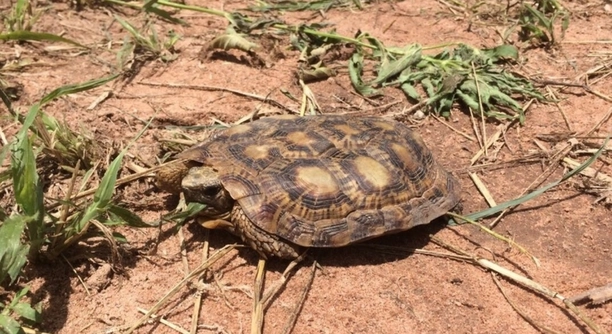
Pancake tortoises are unique and fascinating reptiles. As pet owners, it’s important to consider their health and well-being. One question that often arises is whether these tortoises need cuttlebones for proper care.
Pancake tortoises do benefit from cuttlebones, as they provide essential calcium for shell growth and overall health. Cuttlebones help prevent metabolic bone disease, which can result from calcium deficiencies. These supplements are crucial for their long-term well-being.
Proper care of your pancake tortoise can help ensure they stay healthy and active. Understanding the role of cuttlebones will guide you in making the right decisions for their care.
Why Pancake Tortoises Need Calcium
Pancake tortoises require calcium for their overall health, especially for shell development. Without enough calcium, they can suffer from metabolic bone disease, which weakens their bones and shells. This condition can be dangerous and potentially fatal if not treated. Providing a source of calcium, such as a cuttlebone, is essential for these tortoises. Cuttlebones offer an easy and natural way to ensure they receive the nutrients they need. By supplementing their diet with calcium, you support their growth and prevent long-term health issues. Regularly offering cuttlebones can help maintain their well-being and keep their shells strong.
Calcium plays a vital role in keeping your pancake tortoise healthy and active. It strengthens bones and helps maintain the structure of their shells. Without it, they may experience severe health problems.
Adding cuttlebones to their environment is a simple way to meet their nutritional needs. Ensure the cuttlebones are always accessible, and your tortoise will be able to nibble on them as needed. Offering calcium helps prevent deficiencies and supports healthy growth.
The Importance of Cuttlebones
Cuttlebones are a simple yet highly effective tool in maintaining your pancake tortoise’s health. These natural calcium-rich bones are soft and easy for tortoises to chew on. The process of chewing helps them absorb the calcium they need for strong shells and bones. Without this added source of calcium, your tortoise may face serious health complications. Including cuttlebones in your pet’s environment ensures they receive this crucial supplement. Not only do they help with calcium absorption, but cuttlebones also contribute to maintaining good overall health.
By adding cuttlebones, you provide a constant, reliable calcium source. It’s an easy and affordable way to support your tortoise’s nutritional needs. Your tortoise can nibble on the cuttlebone whenever it needs a calcium boost.
How to Offer Cuttlebones to Pancake Tortoises
To properly offer cuttlebones to your pancake tortoise, place them in an easily accessible spot in their enclosure. Make sure the cuttlebone is not too large for them to chew on comfortably. Ensure it’s placed on a flat surface or attached to a wall so they can reach it with ease.
You can also break the cuttlebone into smaller pieces if needed. Some tortoises may prefer to nibble on smaller portions. It’s important to replace the cuttlebone when it becomes worn down or dirty. Clean the area regularly to maintain a healthy environment for your tortoise.
Offering cuttlebones regularly ensures your tortoise gets the necessary calcium to prevent deficiencies. Make sure your tortoise has access to fresh, clean water alongside the cuttlebone. Keep an eye on their eating habits and offer the right amount based on their size and needs. This simple practice can help keep your tortoise healthy for years.
Additional Calcium Sources for Pancake Tortoises
While cuttlebones are an excellent source of calcium, there are other options available. You can offer calcium-rich vegetables such as collard greens, dandelion greens, and turnip greens. These vegetables can be served alongside their regular diet to help boost calcium intake.
Some tortoises may be more inclined to eat calcium-rich food than others, so it’s essential to observe their eating habits. Providing a balanced diet that includes vegetables, cuttlebones, and occasional supplements can help ensure your tortoise gets all the nutrients it needs. By offering a variety of calcium sources, you promote healthier bones and a stronger shell.
It’s important to vary their diet to avoid potential nutritional imbalances. Calcium is vital, but too much can cause other health issues. Always provide a well-rounded diet alongside your tortoise’s main food source to keep them in optimal health.
Signs of Calcium Deficiency in Pancake Tortoises
A pancake tortoise showing signs of calcium deficiency may exhibit a soft or deformed shell, which is a major red flag. You might also notice their activity level decreasing, as they feel weak or lethargic. It’s crucial to address this issue quickly.
Other signs of calcium deficiency include irregular or brittle bones and difficulty moving. If left untreated, calcium deficiency can lead to severe health problems, including fractures or even death. Monitoring your tortoise’s health and providing a steady supply of calcium is essential for their well-being.
How Often Should Cuttlebones Be Replaced?
Cuttlebones should be replaced when they become worn down or dirty. Regularly inspect the cuttlebone to ensure it is still intact and usable. If it’s significantly chewed or contaminated, it’s time for a new one.
A fresh cuttlebone helps ensure your tortoise receives the proper calcium supplement. When replacing it, check that your tortoise has easy access and that the new one is appropriately sized for their needs.
Other Nutritional Considerations for Pancake Tortoises
Along with calcium, pancake tortoises require other essential nutrients for a balanced diet. They need a variety of vegetables, high in fiber and vitamins, such as kale, squash, and carrots. This helps support their digestive system and overall health.
They also benefit from a protein source in their diet, which can come from insects like crickets or mealworms. However, these should be given in moderation. A well-rounded diet, including calcium supplements like cuttlebones, promotes strong bones and healthy growth. Regularly adjust the diet based on their age and size.
FAQ
How much calcium should a pancake tortoise get?
A pancake tortoise should receive a balanced amount of calcium to support healthy shell growth and bone development. Calcium intake should come from both food and supplements. It’s generally recommended to offer a cuttlebone in their enclosure along with calcium-rich vegetables. Depending on your tortoise’s size and age, a small piece of cuttlebone is enough to provide the required calcium. A steady supply of calcium-rich foods like dark leafy greens should also be provided, but avoid over-supplementing to prevent imbalances. Monitor your tortoise’s condition regularly to ensure they are getting enough calcium.
Can I give my pancake tortoise a cuttlebone every day?
Yes, it is safe to offer a cuttlebone every day. Having constant access to cuttlebones allows your tortoise to regulate how much calcium they consume. Most pancake tortoises will nibble on the cuttlebone as needed, ensuring they get the proper amount of calcium. Just be sure to replace the cuttlebone if it becomes worn down or dirty. While offering cuttlebones daily is beneficial, it’s important to provide other calcium sources, such as calcium-rich foods, to maintain a well-rounded diet.
What happens if a pancake tortoise doesn’t get enough calcium?
If a pancake tortoise does not receive enough calcium, it can develop metabolic bone disease (MBD), which can lead to weakened bones and deformities in the shell. This condition may cause a soft or misshapen shell, difficulty moving, and a decrease in overall activity. Without proper treatment, the tortoise can suffer long-term health issues, including fractures and even death. It’s essential to offer a reliable calcium source like cuttlebones to prevent deficiencies and ensure a healthy, active tortoise.
Can pancake tortoises get too much calcium?
Yes, it’s possible for pancake tortoises to get too much calcium, which can lead to health problems like kidney damage or bladder stones. Over-supplementing with calcium can cause the tortoise’s body to become imbalanced, affecting their organ function. To avoid this, ensure that you’re offering the right amount of calcium through food and supplements. Keep a balanced approach by combining cuttlebones with calcium-rich vegetables and avoiding excess supplementation. It’s crucial to follow proper feeding guidelines to maintain a healthy calcium balance.
Are there other ways to supplement calcium besides cuttlebones?
Yes, there are several ways to supplement calcium for a pancake tortoise. In addition to cuttlebones, you can offer calcium powder sprinkled on their food. Calcium powder is often available at pet stores and is a great way to ensure they’re getting enough calcium if they don’t eat enough calcium-rich vegetables. Other calcium-rich foods include collard greens, kale, and dandelion greens. You can also consider calcium-enriched pellets that are designed for tortoises, providing an easy and convenient option for calcium supplementation.
How can I tell if my pancake tortoise is getting enough calcium?
Signs that your pancake tortoise is getting enough calcium include a firm and well-shaped shell, good activity levels, and healthy growth. If you notice that their shell becomes soft, deformed, or brittle, it could be a sign that they aren’t getting enough calcium. Additionally, lethargy and difficulty moving may indicate calcium deficiencies. Regularly check their shell for any signs of weakness and monitor their eating habits to ensure they are getting a proper balance of calcium. If you’re unsure, consulting a veterinarian is always a good option.
Can I use calcium supplements instead of cuttlebones?
While you can use calcium supplements like powders or liquids, cuttlebones are a natural and easy way to provide calcium. Cutttlebones also offer the added benefit of promoting natural chewing behavior. However, if your tortoise doesn’t show interest in cuttlebones, calcium powders or liquid supplements can be an effective alternative. When using supplements, always follow the instructions on the packaging to avoid over-supplementing. Combining both cuttlebones and supplements, along with calcium-rich foods, provides a well-rounded approach to meeting your tortoise’s calcium needs.
Are there any foods that should be avoided when feeding pancake tortoises?
Yes, some foods should be avoided when feeding pancake tortoises. High-oxalate foods like spinach and rhubarb can interfere with calcium absorption and may lead to kidney or bladder issues. Additionally, iceberg lettuce should be avoided as it offers little nutritional value. Foods that are too high in phosphorus, such as broccoli and cabbage, can also negatively impact calcium absorption. Stick to calcium-rich vegetables and leafy greens for the best nutrition and avoid processed foods or foods high in fat or sugar.
Can I feed my pancake tortoise fruit?
Fruits can be offered to your pancake tortoise in moderation. While fruits like apples, melons, and berries are safe, they should not make up a large part of their diet. Fruit contains higher levels of sugar, which can be harmful to tortoises in the long run. It’s best to offer fruit as an occasional treat rather than a daily food source. Focus on providing a variety of leafy greens, vegetables, and calcium supplements as the main components of their diet.
Final Thoughts
Pancake tortoises need calcium to stay healthy, and providing a consistent source is essential for their well-being. Cuttlebones are an easy and effective way to meet this need, as they supply a steady supply of calcium that your tortoise can access whenever needed. Along with cuttlebones, a balanced diet of calcium-rich vegetables, such as collard greens and kale, can help support their health. It’s important to maintain a balance, avoiding both calcium deficiency and over-supplementation.
Monitoring your tortoise’s condition is key to making sure they are getting enough calcium. Signs of deficiency, such as a soft or deformed shell, lethargy, and difficulty moving, should be addressed immediately. If you notice any changes in your tortoise’s activity or appearance, adjusting their diet or adding more calcium to their routine can help. On the other hand, over-supplementing with calcium can cause health issues, so be mindful of the amounts you provide. Keeping an eye on their overall health will ensure they thrive.
Ultimately, calcium is just one part of the puzzle for a healthy pancake tortoise. In addition to proper calcium intake, providing a variety of vegetables and occasional fruit can help round out their diet. It’s also essential to consider their living environment, temperature, and humidity, as these factors affect their digestion and overall health. With a little attention to detail, you can help your pancake tortoise lead a long, healthy life.

Hello,
If you enjoy the content that we create, please consider saying a "Thank You!" by leaving a tip.
Every little bit helps us continue crafting quality advice that supports the health, happiness, and well-being of pets around the world, for pets of all shapes, sizes, and species.
We really appreciate the kindness and support that you show us!