
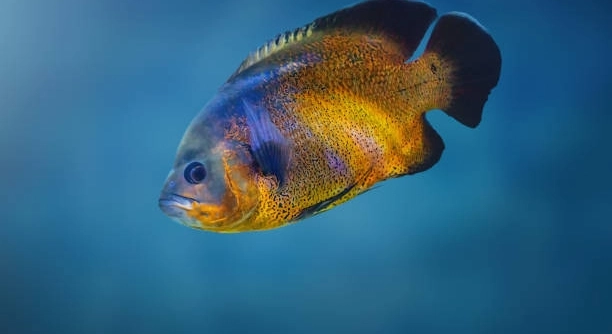
Do you ever find yourself watching your Oscar fish move rocks and wonder if there’s more to it than simple behavior?
Oscar fish do not use rocks to express emotions in a human-like way. Their rock-moving behavior is mainly driven by instinct, such as marking territory, rearranging their environment, or preparing a spawning site.
These actions may seem personal, but they are rooted in natural habits that support their daily needs and social behavior.
Why Do Oscar Fish Move Rocks?
Oscar fish often rearrange rocks as part of their natural behavior. This can include setting up a comfortable area, creating a place to hide, or preparing a site for breeding. In the wild, Oscars live in muddy, debris-filled environments where they constantly interact with their surroundings. In a tank, moving rocks helps them feel more secure and in control. It’s also a sign that the fish is healthy and active. Owners may notice this behavior more in tanks with loose gravel or decorations. The rock-moving isn’t random—it often reflects the fish’s desire to modify its space to suit its needs. Some Oscars become very focused when doing this, nudging rocks repeatedly or stacking them in certain areas. These patterns are usually linked to territory or mating habits. Observing this behavior regularly can help you understand your Oscar’s comfort levels and spot any changes that might need attention.
This habit is mostly about comfort, protection, and readiness to spawn.
If your Oscar starts moving rocks more often than usual, it may be marking territory or preparing for mating. You might also see this behavior if the tank environment has changed recently, like new decorations or another fish being added. Stability helps them feel safe and reduces overactivity with rocks. Watching for shifts in these actions can help you spot when your fish might be stressed or needs a more suitable setup. Avoid overcrowding and ensure hiding spots are available. These fish thrive when they feel in control of their space, so let them build and rearrange when they need to. Just be sure the objects in the tank are smooth and safe. While it might seem unusual, it’s a normal and healthy behavior that supports their daily needs and comfort in captivity.
Do They Do It to Communicate?
Oscars do not move rocks as a way to express feelings or communicate like humans do.
Their rock-moving actions are tied to instinct rather than emotion. While it may look like they are “decorating” or expressing frustration, the real purpose is far more practical. In most cases, they are signaling dominance, establishing territory, or trying to attract a mate. These behaviors are useful in the wild, where Oscars need to maintain a clear space to survive. In a tank, the same instincts remain. When they move objects, they may be reacting to nearby fish, a lack of space, or changes in lighting and water conditions. These behaviors are a form of self-regulation. They allow the Oscar to create a more comfortable setting or send signals to other fish, even if it’s not emotional expression. Understanding this can help you avoid misinterpreting what you see and instead support your Oscar’s needs with proper care and tank setup.
What Triggers the Rock-Moving Behavior?
Changes in the tank, like new fish or decorations, can lead to more frequent rock-moving. Oscars react to environmental shifts by adjusting their space, helping them feel secure and maintain control over their surroundings.
Oscars often move rocks when they’re feeling territorial or preparing to spawn. Even small changes in lighting, water temperature, or tank mates can make them shift objects around more. This activity is often more intense in male Oscars, especially when they are trying to attract a female or defend a part of the tank. The behavior isn’t random—it’s often linked to their natural instincts and responses to perceived challenges in their space. They may push rocks away from their preferred hiding spots or stack them around the edges to create barriers. This helps them manage stress and regulate their comfort levels in a controlled tank environment.
Watching your Oscar move rocks can be useful. It gives clues about how comfortable or unsettled the fish may be. Frequent rearranging often happens after a water change or tank cleaning. They might also shift gravel if a dominant fish is nearby. Providing enough hiding spots, a steady tank setup, and limited changes will reduce excessive moving. Try not to adjust decorations often. Oscars value consistency, and too many changes may make them overreact by moving everything around. Letting them modify their space in safe ways supports their health and routine.
Does This Behavior Ever Become a Problem?
Sometimes excessive rock-moving can lead to issues, especially if your Oscar starts damaging equipment or disturbing plants. If decorations are being tossed often, it may mean the fish is overstimulated or lacking a stable environment.
Tank safety should always come first. Rocks that are too sharp or unstable can hurt your Oscar as they nudge or lift them. Heavy items can also damage the tank glass or fall on smaller fish. If your Oscar starts to focus on one area too much, it could create an imbalance in filtration or water flow. It may also lead to aggression if other fish are in the tank. To prevent issues, secure all decorations, use rounded stones, and avoid clutter. Watch for repeated patterns—excessive digging, pushing the same rock constantly, or targeting equipment could be signs of stress. A calm, steady setup will keep your Oscar healthier and reduce unnecessary rock-moving behavior.
Can You Prevent Rock-Moving?
You can’t fully stop Oscars from moving rocks, but you can reduce the behavior by creating a balanced tank setup. Avoid frequent changes and provide plenty of space and hiding spots to keep them calm and occupied.
Using heavier decorations and smooth rocks helps minimize movement. Avoid lightweight objects that can easily be pushed or lifted.
Best Tank Setup to Support Natural Behavior
A calm and spacious tank setup works best for Oscars that like to rearrange things. Use smooth, rounded rocks that won’t injure the fish and place them in stable positions. Avoid clutter, and make sure objects can’t fall or trap the Oscar during movement. Include caves or decorations that offer hiding areas to reduce stress. Maintain good water quality and lighting conditions, as poor tank health can lead to more rock-shifting. When Oscars feel secure, they’re less likely to overreact. Keep other tank mates peaceful to prevent competition. A stable, natural environment helps support their instinctive behavior without allowing it to become a problem.
When to Be Concerned
If your Oscar becomes aggressive, damages equipment, or moves rocks nonstop, it may signal stress or discomfort in the tank.
FAQ
Why does my Oscar fish move rocks around the tank?
Oscar fish often move rocks due to instinctive behaviors like territory marking, preparing for breeding, or simply modifying their environment to feel more secure. In the wild, they interact with their surroundings by moving objects, and this behavior continues in captivity. Moving rocks helps them establish a space they are comfortable with, whether it’s creating a safe hiding spot or making a suitable area for spawning. This behavior is natural and a sign that your Oscar is active and engaged with its environment.
Can Oscar fish move rocks all the time?
Yes, Oscar fish can move rocks frequently, especially if they feel the need to adjust their space. However, the frequency of this behavior can vary depending on factors like tank conditions, the presence of other fish, or changes in the environment. Some Oscars are more active and territorial, while others may move rocks only occasionally. If the behavior becomes excessive or aggressive, it might indicate stress, overcrowding, or an issue with the tank setup. A consistent and comfortable environment usually minimizes unnecessary rock-moving behavior.
How can I stop my Oscar from moving rocks?
While you can’t completely prevent your Oscar from moving rocks, you can reduce the frequency by creating a more stable environment. This includes limiting changes to the tank, using heavier decorations that won’t easily be pushed, and ensuring that your Oscar has enough hiding spots to feel secure. Avoid rearranging the tank often, as this may cause your Oscar to feel unsettled. Providing a calm, low-stress environment can help reduce the desire to constantly rearrange objects in the tank.
Is it bad if my Oscar moves too many rocks?
Excessive rock-moving can lead to problems if it causes damage to the tank, decorations, or equipment. It can also disrupt the water flow, especially if the Oscar moves rocks around the filter or heater. If your Oscar is constantly pushing rocks and it leads to aggression or damage, it might be a sign that the tank setup needs adjustment. You can reduce this behavior by ensuring the tank is properly organized and that the fish feels secure in its environment. If the behavior is a sign of stress, addressing the tank conditions may help.
What type of rocks should I use in the tank for my Oscar?
Use smooth, rounded rocks that won’t injure your Oscar when they’re pushed or moved. Avoid sharp or rough edges that can harm the fish. Natural stones like river rocks or lava rocks are often a good choice. These types of rocks are heavy enough to stay in place and won’t easily be displaced by an active fish. Additionally, it’s essential to ensure that all decorations and rocks are firmly secured, so they don’t fall or cause damage to the tank.
Can Oscar fish move plants too?
Yes, Oscar fish can move plants as well. Plants in the tank, whether real or artificial, can be nudged or uprooted as part of the Oscar’s natural behavior. This is particularly true if the fish is creating a space for hiding or establishing a territory. To minimize plant movement, choose sturdy plants that can anchor well in the substrate, or use artificial plants that are securely attached to the base. Make sure that plants aren’t placed in areas where they could be easily disturbed by the fish’s rock-moving activities.
Is rock-moving behavior a sign of a problem in my Oscar fish?
Generally, moving rocks is a natural behavior for Oscar fish. However, if it becomes excessive or is accompanied by signs of aggression or stress, it may indicate that the fish is unsettled. Issues such as poor water quality, overcrowding, or the introduction of new tank mates can cause your Oscar to act out by constantly moving rocks. Monitoring your Oscar’s behavior and ensuring that the tank is appropriately sized and set up can help prevent excessive rock-moving and associated stress.
Do Oscars use rocks for communication with other fish?
Oscar fish do not use rocks as a direct form of communication with other fish. However, moving or rearranging rocks can signal territorial behavior. By shifting objects around, Oscars may be marking their space, which can serve as a subtle message to other fish in the tank. Male Oscars, in particular, may move rocks to prepare for breeding, signaling to females or other fish that they are ready to claim a spot for spawning. While this isn’t communication in the human sense, it is a natural behavior that plays a role in their social interactions.
How can I reduce my Oscar’s stress and rock-moving?
To reduce your Oscar’s stress and limit rock-moving, ensure that the tank environment is stable and secure. Keep the water quality high and avoid overstocking the tank. Providing hiding spots, caves, and enough space for the fish to establish its own territory can help reduce anxiety. Regularly clean the tank, but try not to make frequent changes to the layout. Consistency and a peaceful environment are key to keeping your Oscar calm and reducing the need for constant rock-moving.
Is it normal for my Oscar to move rocks when it’s breeding?
Yes, rock-moving is especially common when an Oscar is preparing for breeding. During this time, males may rearrange rocks to create a suitable nesting site. This behavior is instinctual and necessary for creating a safe area for the female to lay her eggs. If your Oscar is breeding, you may notice more frequent rock-moving, and it could become more focused on specific areas of the tank. Providing a stable environment with enough space will help reduce stress during the breeding process.
Should I be concerned if my Oscar moves rocks and behaves aggressively?
If your Oscar is moving rocks and showing signs of aggression, it could indicate territorial behavior or stress. Oscars are known for their strong personalities, and they may display aggression when they feel their space is threatened, especially if they’re in a tank with other fish. If this behavior is frequent or leads to harm, you may need to consider separating aggressive fish or adjusting the tank setup to ensure each fish has enough space. Ensuring your Oscar has a stable, stress-free environment can help mitigate aggressive behavior linked to rock-moving.
Final Thoughts
Oscar fish are fascinating creatures with unique behaviors, and moving rocks is a natural part of their activity. This behavior helps them establish territory, create hiding spots, and interact with their environment. While it’s normal for Oscars to move rocks, it’s important to keep an eye on the behavior to ensure it doesn’t become excessive or cause harm. Ensuring that your tank setup supports their instincts can help reduce unnecessary stress and promote a more peaceful environment for your fish.
Creating a stable tank environment is key to minimizing the rock-moving behavior. Providing enough space, smooth rocks, and hiding spots can make your Oscar feel more secure and reduce the need to constantly rearrange objects. Monitoring water quality and keeping the tank clean is also essential to keeping your fish healthy and calm. When Oscars are in a good environment, they’re less likely to feel the need to move rocks or engage in aggressive behaviors.
While you can’t completely stop your Oscar from moving rocks, you can certainly manage it by adjusting the tank setup. Recognizing when the behavior is normal or when it indicates stress is important for keeping your Oscar happy and healthy. As long as the fish isn’t damaging the tank or showing signs of distress, a little rock-moving here and there isn’t a cause for concern. By understanding their natural behaviors, you can help your Oscar thrive in its environment.

Hello,
If you enjoy the content that we create, please consider saying a "Thank You!" by leaving a tip.
Every little bit helps us continue crafting quality advice that supports the health, happiness, and well-being of pets around the world, for pets of all shapes, sizes, and species.
We really appreciate the kindness and support that you show us!