
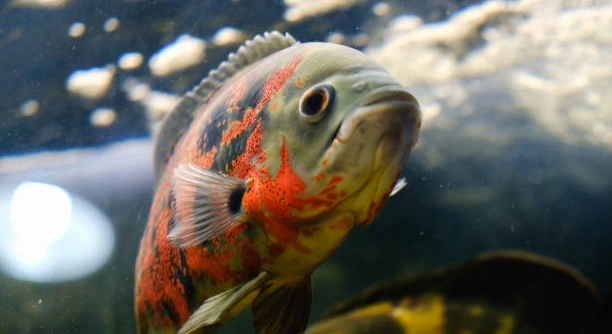
Oscar fish are fascinating creatures, known for their intelligence and vibrant personalities. Many fish owners have wondered if their oscars behave differently when they are being observed. Understanding their swimming patterns may provide a better insight into their habits.
Research suggests that Oscar fish may exhibit slight changes in behavior when watched, including swimming more cautiously or even staying still longer. This reaction could be attributed to their natural instinct to detect predators or changes in their environment.
Understanding the factors that influence Oscar fish behavior can be insightful for any fish owner. In this article, we’ll explore why and how these fish may alter their actions when under observation.
Understanding the Behavior of Oscar Fish
Oscar fish, like many animals, react to their surroundings. They are naturally curious and aware of potential threats, which includes the presence of humans or other creatures around their tank. While some may believe that watching them closely could change how they swim, the truth is that Oscar fish are responsive to their environment and may alter their behavior when they sense attention. This can include swimming patterns, hiding, or becoming more alert. It is important to recognize that Oscar fish are territorial and sensitive, so any perceived presence, even from a human, might influence how they move in their space.
The presence of a watcher could trigger stress in Oscar fish, causing them to behave differently than they would if left alone. Their natural instincts push them to avoid potential predators, and the watchful eyes of a person may trigger this response.
Although Oscar fish are social and sometimes display curiosity toward their owners, it is not uncommon for them to retreat or act differently when they feel observed. A lack of privacy can cause stress, which may result in less active swimming or hiding in their tank’s corners.
How Stress Affects Oscar Fish Swimming
Stress plays a significant role in how Oscar fish behave when watched. If they feel threatened, they might swim less, avoid certain areas, or act more cautiously. In some cases, they might even freeze in place for short periods.
When Oscar fish experience stress, it impacts their overall behavior and well-being. Stress can lead to physical symptoms such as rapid gill movement or abnormal swimming patterns. This can make them more vulnerable to illnesses or discomfort. Fish who feel observed may become more lethargic or engage in defensive behaviors, which could change how they interact with their environment. Over time, stress can affect their appetite, making them less likely to eat, further impacting their health.
Keeping a balanced environment, with enough hiding spots and minimal distractions, can help reduce the likelihood of stress. Understanding that Oscar fish may swim differently when watched is a helpful reminder for owners to give them space to feel secure.
Factors That Influence Oscar Fish Behavior
Oscar fish are sensitive to their environment, and several factors can influence how they swim. This includes the level of light, water temperature, and the presence of other fish or objects in the tank. Any change in their environment can affect their response, making them more cautious or active.
Water conditions are one of the most significant factors in an Oscar’s behavior. If the water is too warm or cold, they may swim less or appear lethargic. Likewise, the clarity of the water and tank cleanliness can affect their comfort levels, making them more or less active.
Another important factor is the presence of other tank mates. If Oscar fish feel threatened or crowded, they may adjust their swimming patterns to stay away from potential competition. Stress from other fish can make them retreat into corners or become less sociable when being watched.
How Oscar Fish React to New Tank Setups
When placed in a new tank, Oscar fish can be nervous and cautious. They might swim erratically or hide in one corner, adjusting to their new surroundings. This initial reaction is due to their need to understand the layout of the tank and assess its safety.
During this time, Oscar fish may display signs of stress like hiding more often or avoiding open areas. They need to acclimate to their environment and feel secure before resuming their usual swimming patterns. It’s also common for them to appear less curious or interact less with their owners during this period.
Over time, as they become familiar with the new setup, they begin to explore the tank and swim more freely. The more comfortable they feel, the less likely they are to show defensive behavior when observed. Giving them time and space is key to helping them adjust.
The Role of Tank Size in Behavior
The size of the tank is important for Oscar fish, as they require a lot of space to swim freely. A small tank can cause them to feel confined, which may lead to more defensive or limited swimming behaviors when being observed.
A larger tank gives them room to move around, which can result in more natural, fluid swimming. When they feel they have enough space, Oscar fish may swim with more confidence and less hesitation. It’s also beneficial to provide hiding spots within the tank, giving them a place to retreat if they feel stressed.
The Effect of Overfeeding on Behavior
Overfeeding Oscar fish can lead to sluggishness and decreased activity. Fish that are overfed may swim less or hover near the bottom of the tank, avoiding movement. This behavior can also affect their health over time.
When Oscar fish are overfed, they may experience digestive issues, making them less likely to swim around the tank. This can also cause an imbalance in the tank’s water quality, further increasing stress. Proper feeding habits can help prevent this and maintain their usual energetic swimming style.
Handling Disturbances and Loud Noises
Oscar fish are sensitive to disturbances and loud noises in their environment. Rapid movements or loud sounds can make them startle, causing them to swim erratically or seek shelter.
Sudden disruptions like banging on the tank or loud music can make them feel threatened. It’s essential to maintain a calm, quiet atmosphere around the tank to prevent unnecessary stress. Providing a peaceful setting helps Oscar fish feel secure and reduces their likelihood of acting out when observed.
FAQ
Do Oscar fish get used to being watched?
Yes, Oscar fish can get used to being watched, but it depends on their environment and their level of comfort. Some Oscar fish may become more accustomed to human presence over time, swimming normally while being observed. However, others may remain cautious or alter their swimming patterns. It’s essential to give them space to adjust and allow them to interact on their terms.
Can Oscar fish be trained to recognize their owners?
Oscar fish are intelligent creatures, and they can recognize their owners. With consistent feeding or interaction, they may begin to associate you with food or safety. Over time, they may approach the glass when they see you, waiting for food or attention. However, they are still wild animals, so don’t expect them to form bonds in the same way a dog might.
How can I make my Oscar fish feel more comfortable when being observed?
To make your Oscar fish feel more comfortable, avoid making sudden movements or loud noises near their tank. Ensure the tank is large enough, with enough hiding spots and decoration for them to retreat to. If they feel safe and secure in their environment, they’ll be less likely to change their behavior when you are watching.
Do Oscar fish prefer solitude or companionship?
Oscar fish are territorial and can be aggressive toward other fish, especially when they feel their space is threatened. In general, they are more comfortable being the only fish in the tank. However, some owners have had success with keeping them with other large, non-aggressive species. It’s essential to monitor their interactions closely to avoid conflict.
Why does my Oscar fish hide when I approach?
Oscar fish hide when they feel stressed, threatened, or when their environment is not ideal. If they are hiding when you approach, it could be due to overfeeding, poor water quality, or general unease. Ensure the tank is well-maintained and that the fish have enough space to feel safe.
How do Oscar fish behave when they are stressed?
When stressed, Oscar fish may display behaviors such as hiding, darting around the tank, or swimming erratically. They might also stop eating or become more defensive. Stress can be caused by changes in water quality, overcrowding, or other tank mates. It’s crucial to address the source of stress to help them feel comfortable again.
Can I keep multiple Oscar fish together?
It is possible to keep multiple Oscar fish together, but it can be tricky. Oscars are territorial and can be aggressive, especially as they grow larger. If you plan on keeping more than one, make sure the tank is large enough to give each fish enough space. Monitor their behavior for signs of aggression and be prepared to separate them if necessary.
How do I know if my Oscar fish is happy?
A happy Oscar fish will typically swim around confidently, explore their environment, and interact with you or other fish. They may also display vibrant colors and maintain a healthy appetite. If your Oscar is staying active, not hiding excessively, and showing interest in their surroundings, they are likely content.
Why is my Oscar fish swimming at the surface?
Oscar fish may swim at the surface of the tank for several reasons, including looking for food, seeking oxygen, or reacting to changes in water conditions. If they are constantly at the surface, it could indicate a problem with water quality or oxygen levels. Check the water parameters and ensure your filtration system is working well.
How often should I interact with my Oscar fish?
While Oscar fish can recognize their owners, they don’t require constant interaction. Over time, they may become comfortable with your presence but still prefer their space. Interact with them during feeding or maintenance times, but avoid over-stimulating them by constantly tapping the tank or making fast movements. Let them approach you when they feel comfortable.
Do Oscar fish like lights on or off?
Oscar fish typically prefer low lighting or natural daylight. Bright, harsh lighting can stress them out and cause them to hide or swim erratically. It’s best to keep the lights on a timer, providing a day/night cycle similar to their natural habitat. This helps them establish a comfortable routine and feel more secure in their environment.
What should I do if my Oscar fish is not swimming normally?
If your Oscar fish isn’t swimming normally, first check the water quality. Poor water conditions are often the primary cause of abnormal behavior. Test the water’s pH, ammonia, nitrites, and nitrates, and perform a water change if necessary. If the issue persists, consider stress, illness, or injury and consult with a vet or fish expert for further advice.
Can Oscar fish become more active over time?
Yes, Oscar fish can become more active as they adjust to their environment. If they feel safe and secure, they will swim more and interact with their surroundings. Sometimes, a change in tank setup or a larger tank can encourage them to become more active. However, if they remain inactive, it may be due to stress or health issues.
How long does it take for Oscar fish to adjust to a new tank?
Oscar fish can take a few days to a few weeks to adjust to a new tank. During this time, they may act more cautiously, hide more often, or appear less active. It’s important to keep their environment stable and quiet during this period to help them acclimate. With proper care, they will eventually feel comfortable and begin to swim normally.
Do Oscar fish like being petted?
Oscar fish may not enjoy being petted in the same way a dog or cat would, but they can become familiar with your hand. Some owners report that their Oscars will swim near their hand during feeding times or even gently nudge it. However, it’s best to avoid direct contact unless the fish is comfortable with it.
Is my Oscar fish sick or just stressed?
Determining if your Oscar fish is sick or just stressed requires observing their behavior. Stress often leads to changes in swimming patterns, hiding, or decreased appetite. However, illness may come with other symptoms like lesions, rapid breathing, or clamped fins. If you notice unusual physical symptoms, it’s best to consult a vet or aquarium specialist.
Final Thoughts
Oscar fish are fascinating creatures, known for their unique personalities and intelligent behavior. Like many fish, they have natural instincts that can influence how they swim and interact with their environment. Whether they’re hiding, swimming boldly, or reacting to the presence of a watcher, it’s important to understand that these behaviors are often a result of their sensitivity to their surroundings. Observing them can be a learning experience, as it helps owners better understand how their fish respond to different situations, from the presence of people to changes in their tank environment.
The key to maintaining healthy Oscar fish is ensuring they have a stable and stress-free environment. This includes proper tank size, clean water, and enough space for them to swim and explore. Providing hiding spots within the tank can also help your Oscar feel secure and reduce the likelihood of stress-related behaviors. Understanding the factors that influence their behavior, such as water conditions and their response to being watched, allows owners to create an environment where their fish can thrive. This means paying attention to details, from feeding practices to ensuring a peaceful atmosphere around the tank.
Ultimately, Oscar fish are adaptable creatures. Over time, they may adjust to being observed and even recognize their owners. However, it’s important to respect their space and natural instincts. By creating a balanced and caring environment, you can foster a setting where your Oscar feels safe and comfortable, allowing them to express their natural behavior and enjoy a healthy life in your aquarium.

Hello,
If you enjoy the content that we create, please consider saying a "Thank You!" by leaving a tip.
Every little bit helps us continue crafting quality advice that supports the health, happiness, and well-being of pets around the world, for pets of all shapes, sizes, and species.
We really appreciate the kindness and support that you show us!