
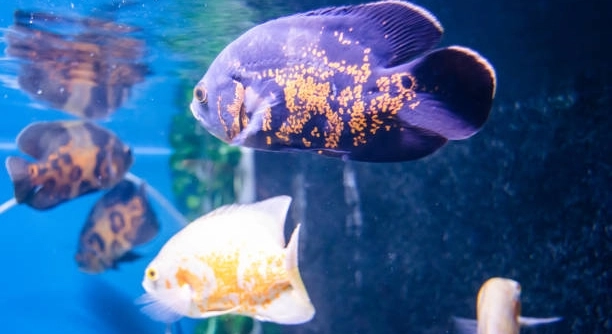
Oscar fish are known for their vibrant colors and active behavior, but you may wonder if they also express emotions through their fins. Understanding how fish communicate through body language can give you insight into their feelings and moods.
Oscar fish do indeed use their fins to communicate. Changes in fin position or movement can indicate emotional states such as excitement, aggression, or fear. These subtle cues help them express their emotions in a way other creatures may recognize.
By paying attention to these signals, you can better understand your Oscar fish’s behavior and needs. This knowledge can improve their care and your bond with them.
How Oscar Fish Express Emotions Through Their Fins
Oscar fish are highly expressive and communicate with their environment in various ways. Their fins are one of the main tools they use for emotional expression. When an Oscar fish feels threatened, its fins will often spread wide, making it appear larger. This display can signal aggression or fear, depending on the situation. On the other hand, relaxed and gently fluttering fins indicate a calm state. In a more playful or curious mood, the fish might move its fins in a fluid, graceful manner. Understanding these signals allows fish owners to recognize their Oscar’s emotional needs and well-being. It’s fascinating to observe how much a simple shift in fin position can convey about their emotional state.
Oscar fish also use their fins to interact with one another. A fish with slightly raised fins might be signaling dominance, while a fish with lowered fins might be showing submission or indifference. These interactions can be seen during feeding or in encounters with other fish.
Knowing these behaviors gives you a clearer understanding of your fish’s emotions. When you observe your Oscar’s fin movements, you can address any potential stressors or make adjustments to their environment, improving their quality of life.
Signs of Stress in Oscar Fish
Oscar fish are sensitive to changes in their environment, and stress can cause noticeable changes in their behavior and fin movements. If the fins appear clamped against the body, it’s often a sign of distress. This can happen due to overcrowding, sudden water temperature changes, or poor water quality.
Stress can also manifest in more aggressive behavior, such as chasing other fish or rapid fin movement. If your Oscar fish begins to swim erratically or hide more than usual, it’s likely experiencing stress. These behaviors can also be a response to insufficient space in the tank or other fish being too territorial.
Keeping your Oscar’s tank clean and ensuring it has enough space will help reduce stress. Regular water changes and maintaining a stable environment will allow your fish to thrive and reduce the likelihood of negative behaviors linked to anxiety.
Interpreting Aggressive Behavior
Aggressive behavior in Oscar fish often shows up in their fin movements. A fully spread fin, accompanied by an erect posture, signals that the fish feels threatened or is trying to assert dominance. In these situations, the fish may engage in aggressive actions like chasing or fighting.
Oscar fish also display aggression when they are protecting their territory. This is especially true during breeding seasons or when a new fish is introduced into the tank. The fish will make its body appear larger by puffing up and extending its fins to warn others to stay away. Understanding these signs helps to avoid conflicts and keep your fish safe.
To prevent aggression, it’s important to monitor the fish’s behavior closely and avoid overcrowding. If aggression continues, separating the fish from others may be necessary to ensure a peaceful environment for all tank inhabitants.
Oscar Fish and Their Calm States
When Oscar fish are calm, their fins remain relaxed and close to their bodies. They swim smoothly and steadily, signaling they’re in a secure environment. This state is often seen when they are not threatened or when they’re familiar with their surroundings.
A relaxed Oscar fish is typically seen in stable water conditions. Its movements are slow, and the fins gently move in rhythm with its swimming. A calm environment helps to keep the fish from showing signs of stress or aggression, allowing the fish to thrive and remain healthy.
Understanding Playful Behavior
Oscar fish are known to be curious creatures. In a playful state, their fins move more fluidly, and they often swim around their tank exploring. These playful movements can also involve interacting with decorations or other fish in the tank.
They may also exhibit behavior like following their owners around the tank. This indicates they feel secure and are comfortable in their environment. Playful Oscars are often more interactive and seem to show interest in the world around them. Maintaining a healthy tank with varied decor encourages this playful activity.
How to Tell When Your Oscar is Content
When an Oscar fish is content, it will exhibit relaxed fin movements and swim in a steady, graceful manner. A content Oscar will also feed well and interact gently with tank mates. This behavior is a sign that the fish is comfortable in its environment.
FAQ
Do Oscar fish show emotions through their fins?
Yes, Oscar fish use their fins to communicate emotions. Wide fins can indicate aggression, while relaxed fins often signal calmness. When the fins are raised, it could suggest dominance or a defensive stance, while smaller, more subtle movements show curiosity or happiness. Understanding these behaviors helps in recognizing their emotional state.
Can Oscar fish recognize their owners?
Oscar fish have shown the ability to recognize their owners. They may respond to the sight or even the sound of their owner’s presence, swimming toward the front of the tank when you approach. This behavior can indicate recognition and a level of comfort around their caretaker.
Why is my Oscar fish acting aggressively?
Aggressive behavior can stem from several factors. It may be due to territorial disputes, especially if there are other fish in the tank. Overcrowding, stress, or water quality issues can also cause aggression. During breeding seasons, Oscars can be more territorial and protective, displaying heightened aggression.
What should I do if my Oscar fish is stressed?
If your Oscar fish is stressed, first check the water conditions. Poor water quality can often be the cause of stress, so ensure that the temperature, pH level, and ammonia levels are within the safe range. Also, reduce tank congestion and remove any aggressive tank mates to help the fish feel more secure.
How can I tell if my Oscar fish is happy?
A happy Oscar fish will swim around actively with relaxed fins. It will also interact with its environment and may seek attention from you. Consistent feeding, smooth swimming, and healthy interactions with other tank mates are all signs of a content Oscar. If the fins are constantly spread out or fluttering gently, it’s a good sign of happiness.
Do Oscar fish get along with other fish?
Oscar fish can get along with other fish, but they can also be territorial. They tend to do better with fish of similar size and temperament. Smaller fish might be seen as prey, while larger or more aggressive tank mates may lead to constant fighting. It’s important to monitor tank dynamics.
How do I know if my Oscar fish is in pain?
An Oscar in pain may exhibit changes in behavior, such as erratic swimming, rubbing against tank surfaces, or hiding more than usual. It may also lose its appetite or show signs of injury, such as torn fins. If you notice these behaviors, it’s essential to check for injuries or health issues.
What are the signs of illness in Oscar fish?
Signs of illness in Oscar fish include loss of appetite, lethargy, unusual swimming patterns, or changes in fin behavior. Physical symptoms like discoloration, lesions, or bloating can also indicate health problems. Regularly monitoring your fish and keeping their environment stable is key to preventing illness.
How can I reduce stress in my Oscar fish?
To reduce stress in your Oscar fish, ensure that their tank environment is stable. Maintain good water quality, avoid overcrowding, and provide plenty of hiding spots. Also, try to limit sudden changes in the tank, such as moving decorations or introducing new tank mates too quickly.
Why is my Oscar fish swimming in circles?
Swimming in circles can be a sign of stress, poor water quality, or even a lack of space in the tank. It could also indicate that the fish is bored or not getting enough stimulation. Ensure the tank is large enough, and consider adding more hiding spots or decorations for enrichment.
How often should I feed my Oscar fish?
Oscar fish should be fed once or twice a day, depending on their age and size. Young Oscars may require more frequent feedings. Offer a varied diet that includes pellets, live or frozen foods, and occasional vegetables. Be careful not to overfeed, as this can lead to water quality issues.
Can Oscars live with plants in the tank?
Oscar fish may not always be the best companions for live plants, as they tend to dig and uproot them. If you want to include plants, choose hardy species that can withstand some disruption. Alternatively, you can use artificial plants to decorate the tank without the risk of them being uprooted.
How do I prevent Oscar fish from getting bored?
To prevent boredom in Oscar fish, provide a variety of tank decorations like rocks, logs, and plants for exploration. Change the tank layout occasionally to offer new sights. You can also introduce safe tank mates to stimulate social interaction, but make sure the new additions are compatible with Oscars.
Why is my Oscar fish losing color?
Color loss in Oscar fish can be caused by stress, poor water quality, or an inadequate diet. If your fish is not getting enough nutrients, it may lose its vibrant colors. Also, sudden changes in the tank environment or the presence of aggressive tank mates can lead to color fading.
How can I tell if my Oscar fish is pregnant?
Oscar fish do not carry eggs internally, but a female will become noticeably rounder when ready to lay eggs. If you notice a bulging belly in your Oscar, it could be a sign that it is preparing to breed. During breeding, both males and females will display more territorial behavior.
What size tank do Oscar fish need?
Oscar fish require a large tank, as they can grow up to 12-14 inches in length. The minimum recommended tank size for a single Oscar is 55 gallons, though a 75-gallon tank is ideal for optimal growth and health. Providing enough space helps reduce stress and aggression.
Why is my Oscar fish shaking its fins?
Shaking fins can be a sign of excitement or a display of aggression. In some cases, it may be an attempt to assert dominance or intimidate other fish. If the shaking is accompanied by rapid swimming or erratic behavior, it could indicate stress or discomfort in the tank environment.
What is the best temperature for Oscar fish?
Oscar fish thrive in water temperatures between 74°F and 81°F (23°C to 27°C). Keeping the water temperature stable within this range helps maintain their health and reduces stress. Use a reliable heater and thermometer to ensure the water remains within the ideal range for your fish.
Can Oscar fish live with other species?
Oscar fish can live with other species, but compatibility depends on the temperament of the other fish. They can be aggressive towards smaller fish or those that invade their territory. Tank mates should be similar in size and able to handle the Oscars’ sometimes aggressive nature.
Final Thoughts
Oscar fish are fascinating creatures with unique behaviors, and understanding their emotional expressions through their fins can deepen the bond between the fish and its owner. These fish are not only intelligent but also quite expressive in their actions. By observing the way their fins move and their overall body language, you can gain insight into their mood, comfort level, and potential health issues. It’s important to pay attention to their surroundings and the environment to ensure that they stay happy and healthy. Creating a comfortable, stress-free environment for your Oscar fish will allow them to thrive and display their natural behaviors.
When it comes to caring for Oscar fish, patience and attention to detail are essential. These fish require specific water conditions, a spacious tank, and the right tank mates to be content. Any changes in their behavior should be observed carefully, as they may indicate stress, aggression, or illness. Regular tank maintenance, proper feeding, and monitoring water quality will help maintain a healthy habitat for your fish. Over time, you will be able to recognize the signs that indicate whether your Oscar is comfortable or needs adjustments in its care.
Ultimately, Oscar fish can be rewarding pets that offer both beauty and interaction. Their emotional range, demonstrated through fin movements and behavior, makes them a fascinating species to observe. Whether they are displaying affection, showing stress, or just swimming peacefully, their behavior provides valuable insights into their well-being. Keeping their environment stable and healthy is key to ensuring they continue to thrive. By maintaining a proper routine and understanding their needs, you can enjoy a rewarding experience with these intelligent and expressive fish.

Hello,
If you enjoy the content that we create, please consider saying a "Thank You!" by leaving a tip.
Every little bit helps us continue crafting quality advice that supports the health, happiness, and well-being of pets around the world, for pets of all shapes, sizes, and species.
We really appreciate the kindness and support that you show us!