
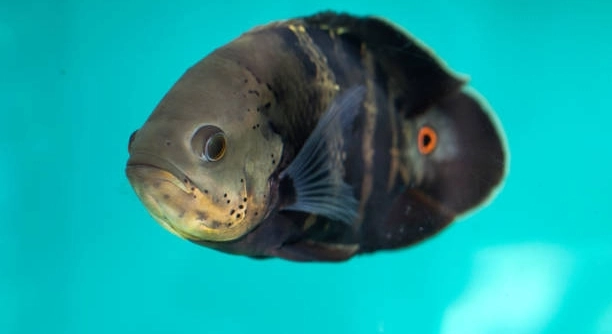
Have you ever spent time near your aquarium and noticed how your Oscar fish behave when soft music is playing nearby? These fish are known for their unique personalities and surprising interactions with their surroundings.
Oscar fish can respond to soft music through changes in behavior, such as swimming patterns and alertness. While not all individuals react the same, gentle sounds may influence their activity levels and stress responses.
Understanding how music affects Oscar fish behavior can help improve their environment and offer more engaging care for these intelligent aquatic pets.
How Oscar Fish React to Music
Oscar fish are known for being alert and reactive to their environment. Some owners have noticed changes in their fish’s behavior when soft music is played nearby. These changes include smoother swimming, less erratic movement, and staying closer to the front of the tank. In quieter songs, they may even seem calmer, as if they’re resting while staying slightly alert. Louder or sharp sounds, however, can lead to stress. Their reactions vary from fish to fish, but gentle music played at a low volume tends to have a more soothing effect. This could be because of vibrations traveling through the water, which Oscars can detect. Since they are sensitive to sound and movement, music might be another way they interact with their space. While research is still limited, many fish owners believe music helps create a peaceful tank atmosphere.
Not every Oscar fish will show a clear response. Some may ignore the sound completely.
It’s important to monitor their reactions over time. If your Oscar shows signs of stress, like hiding or rapid swimming, stop the music. Stick to soft, steady rhythms. Avoid any sudden volume changes. Each Oscar is different, so it’s helpful to adjust based on their behavior. Keep the volume low.
Why Music Might Influence Oscar Fish
Oscar fish are highly sensitive to vibrations and movements. Music, especially when played through speakers near the tank, creates vibrations that travel through the glass and water. These vibrations can be detected by the fish’s lateral line system, which helps them sense pressure changes and movement. Softer music tends to have gentler vibrations, which are less likely to startle the fish. Classical or acoustic sounds are usually better tolerated compared to music with sharp beats or sudden shifts. Since Oscars are naturally curious, they may swim closer to the sound source or become more still when they sense consistent, calming patterns. It’s important to note that even though we may enjoy music emotionally, fish respond more to the physical changes it creates in their space. Too much stimulation can stress them out, so soft, slow rhythms work best. Always observe their behavior before making music a regular part of their care.
Creating a Calm Environment for Your Oscar Fish
Oscar fish feel more secure in a steady and peaceful space. Bright lights, sudden sounds, or too much movement can make them uneasy. Soft music can help if the rest of the environment stays stable and stress-free.
Try to keep your tank in a low-traffic area of your home. Avoid sudden light changes or tapping on the glass, which can startle your Oscar. When playing music, place the speaker a few feet away and keep the volume low. Choose tracks with slow, steady beats. Test different sounds and observe how your Oscar reacts. If they seem more relaxed—swimming slowly, staying in view, or not hiding—you’re on the right track. Some fish even show curiosity by facing the sound. Consistency is key. Avoid switching genres or volumes too often. The goal is to offer a gentle background that adds to their comfort.
Adding plants, hiding spots, and soft lighting supports a peaceful setting. If you use music, make it part of a larger plan to reduce stress. Regular feeding times, a clean tank, and stable water temperature all contribute. Think of music as a small piece that can enhance what you’ve already done. When used carefully, it can be a calming element in their daily routine.
What to Avoid When Using Music Around Oscar Fish
Avoid loud music, especially songs with heavy bass or fast beats. These types of sounds can cause stress or panic. Sudden volume spikes or sharp tones may startle your Oscar and cause hiding or erratic swimming.
Never place speakers directly against the tank, as the vibrations can be too strong and overwhelming. Try to avoid turning music on and off suddenly, especially if your fish is already resting or calm. Keep sound changes slow and subtle. Avoid genres like hard rock or electronic dance music, which often contain unpredictable sound patterns. When experimenting with music, choose a time when your Oscar is active, so it’s easier to see changes in behavior. Also, if your Oscar is recovering from illness or adjusting to a new tank, it’s best to hold off on playing any sounds. During these times, focus on keeping the environment as still and steady as possible.
Signs Your Oscar Fish Enjoys the Music
If your Oscar swims calmly, stays near the front of the tank, or follows the movement of the sound, they may be enjoying the music. A relaxed posture with smooth, slow swimming usually means they feel safe and calm.
Lack of hiding and steady gill movement are also good signs. If your Oscar is still, not darting or showing rapid fin movement, the sound might be comforting. Repeating this pattern across multiple sessions suggests a positive response to the background music.
How Often to Use Music Around Oscar Fish
Music should be used in moderation, especially in the beginning. Try short sessions of soft music once or twice a day and watch for changes in behavior. Over time, you can slowly increase the length, but avoid playing music all day. Just like people, Oscar fish need quiet time too. Always match the sound levels with their mood. If they seem overly active or hide more than usual, stop the music. Let them rest and reset. Mixing music with consistent care and a clean, calm tank helps them feel more at ease. Think of music as a gentle addition, not a main feature.
Using Music During Feeding Time
Soft background music can help set a relaxed mood during feeding. It may reduce sudden movements and make the process smoother. Keep the volume low and avoid changing songs while they eat.
FAQ
Can Oscar fish actually hear music?
Oscar fish don’t hear the same way humans do, but they can detect vibrations and pressure changes through their lateral line system. This allows them to “feel” sounds in the water. When music is played near the tank, the sound waves cause small vibrations in the water and glass. Oscar fish may respond to these sensations. They can sense low, steady rhythms more easily than high-pitched or sudden sounds. So while they don’t hear music like we do, they can definitely react to the physical effects that music creates in their space.
Is it safe to play music near my Oscar fish every day?
Yes, it can be safe if the volume is low and the music is calm. Stick to soft, slow-paced music and avoid loud, sudden changes. Don’t place speakers directly on or against the tank. If your Oscar shows signs of stress, like hiding, rapid swimming, or refusing to eat, reduce or stop the music. Start with short sessions and observe. You can increase the time if they seem calm. Like all tank additions, music should be used as a small part of their care and not something they’re exposed to nonstop.
What kind of music is best for Oscar fish?
Soft classical, gentle instrumental, and acoustic music seem to have the most calming effect. Tracks with slow, steady rhythms are best. Avoid anything with sudden high-pitched tones, deep bass drops, or sharp changes in tempo. Music that is predictable and low in intensity is more likely to make your Oscar feel safe. You might also try nature sounds or light ambient tracks. Every Oscar is different, so try a few styles and see how they respond. Always watch for changes in behavior like calmer swimming or staying closer to the front of the tank.
Can music help reduce aggression in Oscar fish?
Sometimes, yes. Music might help in lowering mild signs of aggression if it’s caused by stress or overactivity. When the tank feels calmer, some Oscar fish may be less territorial. That said, music alone won’t solve aggression caused by overcrowding, poor water quality, or lack of space. It’s not a fix on its own, but it might be helpful when paired with other proper care methods. Make sure your Oscar has enough room, hiding spots, and a stable environment before adding music as an option to support their mood.
Do Oscar fish get used to music over time?
Yes, they can become used to it. If you use the same type of music regularly and at the same times of day, some Oscar fish may become familiar with it as part of their routine. They might even come to associate the sound with safe, calm moments. However, if the music is random or the volume changes too much, it can confuse or stress them. Consistency is key. Like many animals, Oscars can get used to patterns in their environment when those patterns are predictable and not overwhelming.
Should I avoid music if my Oscar fish is sick or new to the tank?
Yes, it’s better to avoid music during these times. Sick or new Oscar fish are more sensitive to their surroundings. Adding music might overwhelm them. Focus on keeping the tank quiet and calm while they adjust or recover. Once your Oscar seems more stable—eating, swimming normally, and reacting well to movement—you can slowly introduce soft music again. Always start with low volume and observe carefully. Their health and comfort should always come first, and silence is often the better choice during stressful periods.
Can other fish in the tank react differently to music?
Yes, different species respond in different ways. Some fish may be more sensitive to vibrations or more easily stressed by noise. While Oscars might enjoy certain sounds, tank mates like tetras or bottom feeders may react differently. Always consider the needs of all fish in the tank when introducing music. Watch closely for any signs of stress across all species—like darting, hiding, or clamped fins. If just one fish seems upset, it’s worth pausing the music. Comfort for all fish should come before using music as enrichment.
Final Thoughts
Oscar fish are sensitive, intelligent creatures that respond to their surroundings in many ways. Music is one element that can influence their mood and behavior when used carefully. While they don’t “hear” music the way humans do, they can feel vibrations caused by sound. This is enough to change how they act in their tank. If the environment is calm and consistent, adding soft music may support a more relaxed atmosphere. Still, every Oscar fish is different. Some may enjoy it, while others may prefer silence. Watching their behavior closely is the best way to decide what works for your fish.
Using music with Oscar fish should always be done with care. Loud sounds, sudden volume changes, or intense beats can cause more harm than good. Soft, steady music at low volume is best. If your Oscar shows signs of stress—like hiding, darting, or losing interest in food—it may be time to turn the music off. Pay attention to their habits and adjust based on what you see. It’s also important to avoid relying on music too much. A stable tank with clean water, proper space, and a regular feeding schedule does far more for your Oscar’s health than sound alone.
In the end, music can be a gentle addition to your Oscar’s care if introduced slowly and thoughtfully. It might help with stress during certain times of the day or create a calmer setting during feeding. But it should never replace basic tank needs. Think of it as a small extra that may or may not suit your specific fish. Every Oscar has its own personality, and what works for one may not work for another. By keeping a close eye on behavior and staying patient, you’ll figure out what makes your Oscar feel safe and happy. Whether it’s music or just peace and quiet, your attention and care matter most.

Hello,
If you enjoy the content that we create, please consider saying a "Thank You!" by leaving a tip.
Every little bit helps us continue crafting quality advice that supports the health, happiness, and well-being of pets around the world, for pets of all shapes, sizes, and species.
We really appreciate the kindness and support that you show us!