
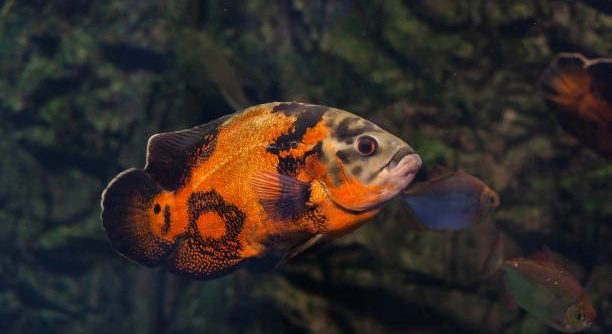
Have you ever noticed your Oscar fish reacting to certain decorations or items in their tank more than others? These behaviors can seem subtle, but they often hint at something more interesting happening beneath the surface.
Oscar fish are capable of recognizing specific objects in their environment. This recognition likely stems from a combination of memory, visual cues, and repeated exposure, allowing them to associate certain items with safety, food, or interaction.
Learning more about how Oscars respond to objects can help you better understand their behavior and create a more engaging habitat.
How Oscar Fish React to Objects
Oscar fish are naturally curious and intelligent. When you place a new item in their tank, they may approach it, observe it closely, or even try to interact with it. This behavior shows their ability to distinguish between familiar and unfamiliar objects. Over time, Oscars tend to respond more to objects they’ve seen often, such as feeding tools, tank decorations, or even your hand. These responses suggest that they are forming associations between certain visuals and experiences. This recognition isn’t just random. It comes from repeated exposure and the connection built through regular interaction. The more consistently they see something, the more likely they are to remember it. This behavior is one reason many fishkeepers notice their Oscars acting differently around certain objects, including their presence near the tank. Such signs of recognition show that these fish can form basic object memories and use them to guide their reactions.
This behavior can help you understand their comfort levels and routines. Recognizing specific objects may offer a sense of security or expectation, especially during feeding times.
Maintaining a consistent tank layout with familiar items can reduce stress and promote more stable behavior in your Oscar fish. Their reactions can guide your care routine.
What This Means for Care
Using the same feeding tools and tank setup helps reinforce positive behaviors and reduces unnecessary stress.
Oscar fish rely on visual cues to recognize their environment. Changing items in the tank too often can confuse or unsettle them. While they may eventually adapt, constant changes can interrupt familiar patterns they’ve learned to expect. Try keeping a stable tank layout with gradual changes when needed. If you do introduce something new, monitor their response. Some fish may become territorial or defensive, while others show increased curiosity. This behavior offers insight into their preferences and comfort levels. Consistent interaction also plays a role. Feeding them at the same time with the same container can strengthen recognition and reduce stress-related behaviors like aggression or hiding. Over time, you may notice them responding quickly to your hand or even coming forward when you enter the room. These are subtle signs that your Oscar knows and recognizes what matters most in its space. Small choices in how you care for them can make a big difference.
How Memory and Routine Influence Behavior
Oscar fish learn from repeated experiences. When they see the same object regularly, they begin to associate it with specific events like feeding or interaction. This routine helps build predictable behaviors that make care easier.
Over time, routines shape how Oscars behave in their environment. They may swim to the top when you approach with food or avoid areas where they’ve had a negative experience. Objects play a role in this process. A decoration near their feeding spot may become part of that memory. If you move it, the fish might act confused or hesitant at first. Their behavior reflects not just instincts but learned habits. Keeping a stable routine with minimal changes supports their comfort. It also makes it easier to identify when something is wrong. Sudden shifts in behavior can signal stress or illness, especially if they stop reacting to familiar objects or cues.
Inconsistent routines can disrupt their responses and cause confusion. Changing tank items too often removes familiar reference points. Even feeding them at different times can reduce recognition patterns. Oscars thrive when their environment feels predictable. Sticking to a consistent routine encourages calm, confident behavior. It also helps build trust, especially when interactions are paired with positive outcomes like feeding or attention.
Signs Your Oscar Recognizes Objects
An Oscar swimming quickly toward a specific item or reacting to your hand the same way every time are key signs of recognition. These responses show memory and the ability to associate objects with certain outcomes.
You might notice your Oscar staring at a tank decoration, circling it, or gently nudging it. These actions often mean they remember the item and see it as safe or interesting. Some fish become defensive around certain decorations, which can indicate a sense of ownership. Others swim directly toward feeding tools or hover in familiar spots when they sense feeding time is near. These signs show they aren’t simply reacting at random—they’re responding based on learned patterns. If you always use the same container to feed them, they will likely associate it with food and react accordingly. Their actions may also change when unfamiliar items are introduced, reflecting both curiosity and caution.
How Oscars React to New vs. Familiar Objects
When introduced to new objects, Oscar fish may show caution at first. They often observe from a distance, then slowly approach to investigate. Familiar objects, on the other hand, are usually approached with ease and recognized through quicker, more relaxed movements.
Some Oscars even ignore new items until they feel safe. Once an object becomes familiar, it may be included in their routines. These patterns suggest memory and comfort influence their actions. Watching how they respond can help you understand what feels safe or stressful for them.
Helping Your Oscar Build Positive Associations
Using the same feeding container, keeping a steady tank layout, and interacting regularly can help your Oscar form strong, positive associations. If you want to introduce something new, pair it with food or gentle interaction. This can speed up the process of familiarity. Avoid placing new objects near areas where your Oscar rests or hides, as this may create stress. Monitor their behavior during any changes, and give them time to adjust before moving more items around. These small steps can reduce anxiety and improve how your fish relates to its space. Creating a predictable environment supports both recognition and trust.
Why This Matters for Long-Term Care
Understanding object recognition can help you create a more stable, less stressful environment for your Oscar. Familiarity encourages calm behavior and helps them feel safe in their space.
FAQ
Do Oscar fish really remember objects over time?
Yes, Oscar fish have shown the ability to remember specific objects when those objects are part of their daily routine. For example, if you feed them using the same container or keep a particular decoration in the tank, they may begin to recognize it and respond in a certain way. This kind of memory is built through repetition and consistency. The more often an object is paired with a positive experience like feeding or interaction, the more likely your Oscar is to remember it.
Can Oscars tell the difference between new and old objects?
Oscar fish often show clear differences in how they respond to new versus familiar items. A new object might be ignored at first, or your fish might hover at a distance and observe it before making contact. Familiar items are usually approached without hesitation. The way your Oscar acts around new items can give you insight into how they process and evaluate changes in their environment. This behavior reflects a learning process that relies on comparison and memory.
Why does my Oscar attack certain tank decorations?
Oscars may attack objects they view as a threat or something that invades their space. If a decoration is placed near their chosen territory—like a hideout or resting area—they might see it as something to guard against. Repeated aggression toward a specific item could also mean the object triggers a negative association. On the other hand, if they bump or nudge an item but return to it frequently, it may be part of their routine and comfort zone. Observing these actions helps identify what feels normal and what may be causing stress.
Is it okay to change objects in the tank often?
Frequent changes can create stress. Oscars rely on stable visual cues to navigate and feel secure in their environment. Removing or moving objects too often can confuse them and may lead to erratic or withdrawn behavior. If changes are needed, try to do them gradually and watch for signs of stress, such as hiding more than usual or refusing to eat. Keeping some familiar items in place helps balance change with stability, making it easier for them to adjust.
Can Oscars recognize people or just objects?
Many Oscar keepers believe their fish recognize them. Some Oscars swim toward their owners, follow their movements, or react differently to strangers. While this isn’t confirmed through exact studies, the consistent behavior patterns suggest they can differentiate between people, likely based on movement, timing, and appearance. Their strong memory and learning ability support this belief, especially if your presence is tied to feeding or regular interaction.
What signs show that my Oscar has formed a memory?
If your Oscar consistently reacts to a specific object or follows the same pattern around it, that’s a strong sign of memory. Returning to a hiding spot, swimming to the top when you bring out the food container, or circling a certain decoration all suggest recognition. These repeated behaviors show they’re not simply reacting randomly—they are responding based on past experiences. It’s especially clear when a change, like moving an object, disrupts these routines and leads to confusion or hesitation.
Do all Oscars show object recognition in the same way?
Not necessarily. Some Oscars are more reactive or curious, while others may take longer to adjust. Personality differences influence how quickly they form memories and respond to changes. If your Oscar seems slower to react to a new item, that doesn’t mean they won’t eventually accept it. Consistency, patience, and a calm environment support this process. Observing their behavior over time will help you understand their individual preferences and needs.
Final Thoughts
Oscar fish are known for their intelligence, curiosity, and awareness of their surroundings. Their ability to recognize specific objects shows how much they rely on memory and routine in their daily lives. From feeding containers to tank decorations, they often react differently to familiar and unfamiliar items. Watching how they respond to changes can give you clues about what makes them feel secure or uneasy. These behaviors may seem small, but they help build a better understanding of how your Oscar views and interacts with its environment.
Maintaining a consistent setup inside the tank supports object recognition and reduces stress. When items stay in the same place, your Oscar builds a mental map of its space. This creates a sense of stability that helps it feel safe and more relaxed. Changing objects too often or introducing unfamiliar items without care can make your Oscar feel unsettled. Instead, try to keep their surroundings steady. If you need to make changes, do so slowly and pay attention to how your fish responds. A calm reaction usually means the change is acceptable, while hiding or aggression may signal discomfort.
Creating a peaceful space also depends on how you interact with your fish. Daily routines, gentle movements, and familiar objects all play a role in shaping your Oscar’s behavior. Positive associations build trust over time, whether it’s through feeding or simply being present near the tank. Understanding that your Oscar is capable of recognizing and remembering objects helps you make better choices when caring for them. Keeping their space simple, safe, and predictable goes a long way in supporting both their mental and physical well-being. By observing their behavior closely and staying consistent, you can help them feel more at ease in their home.

Hello,
If you enjoy the content that we create, please consider saying a "Thank You!" by leaving a tip.
Every little bit helps us continue crafting quality advice that supports the health, happiness, and well-being of pets around the world, for pets of all shapes, sizes, and species.
We really appreciate the kindness and support that you show us!