
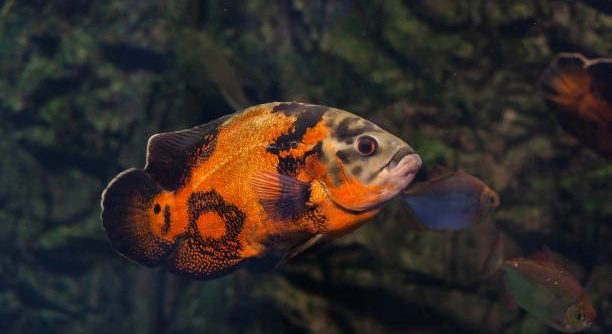
Oscar fish are known for their intelligence and sensitivity to their environment. Many fish owners wonder if these creatures notice even minor changes in their tank. It’s important to understand how they interact with their habitat.
Oscar fish are highly perceptive to changes in their environment, even small adjustments. These fish may react to alterations in water temperature, filter placement, or décor. Such changes can lead to stress or behavioral shifts in the fish.
Understanding how Oscar fish perceive their surroundings will help ensure a stable and comfortable environment for them. We’ll explore the factors influencing their response to minor tank changes and offer tips for creating a balanced habitat.
How Oscar Fish React to Small Tank Changes
Oscar fish are known to be highly responsive to changes in their environment, making them sensitive to even the smallest adjustments. This sensitivity can be due to their natural habitat, which includes consistent water conditions. In the wild, these fish live in environments with stable temperatures and minimal disturbances. When placed in a tank, even small changes in water parameters, such as temperature, pH, or filtration, can trigger noticeable responses. If the change is too abrupt, Oscars may become stressed or exhibit unusual behaviors, like hiding or swimming erratically.
These responses can vary depending on the specific change and the fish’s temperament. Some Oscars may be more tolerant of minor adjustments, while others may become more stressed. It is important to gradually introduce changes to prevent such reactions.
Gradual changes allow the Oscar fish time to adapt to their environment. Understanding their sensitivity is crucial to maintaining a healthy tank.
What Changes Trigger Stress in Oscar Fish?
Oscars are particularly sensitive to water temperature shifts. A rapid change in temperature can cause immediate stress, leading to physical symptoms such as erratic swimming or loss of appetite.
Temperature fluctuations in the tank are among the most common causes of stress. Since Oscar fish are native to warmer waters, the water temperature should be kept between 75°F and 80°F. A sudden drop or increase can create a shock to their system, affecting their immune function and overall health. Furthermore, changes in water chemistry, such as an alteration in pH or hardness, may also cause discomfort. Inconsistent water filtration can impact water quality, leading to stress as well. It’s best to monitor water parameters regularly and adjust them slowly, ensuring that the fish remain comfortable and healthy.
Maintaining stable conditions is key to preventing undue stress. Regular monitoring and gradual adjustments will help Oscars thrive in your aquarium.
How to Minimize Stress from Tank Changes
To reduce stress, introduce changes gradually. Sudden alterations in the environment can overwhelm the fish. Gradual changes allow Oscars to adjust to new conditions without triggering stress responses like hiding or erratic swimming.
When adjusting water parameters, do it slowly over several days. For instance, if you need to change the water temperature, do it in small increments to avoid shocking the fish. Similarly, if you’re modifying the tank’s filter or décor, make sure these changes are done incrementally. This approach will help Oscars acclimate more easily without excessive stress.
Consistency is important when it comes to water quality. Keep water changes regular and avoid overfeeding. A stable tank environment supports the health of your Oscar and ensures minimal disruption to their behavior. Regular maintenance routines will make the Oscars feel more secure and comfortable in their surroundings.
The Role of Tank Decorations and Layout
The layout of your tank plays a significant role in how comfortable your Oscar feels. The fish prefer a tank with structures that allow them to hide and explore. This setup reduces stress and helps them feel secure.
When altering the tank layout, avoid making drastic changes. Rearranging décor or removing items like rocks or plants can unsettle your Oscar, as it may no longer feel secure in the environment. Keeping a consistent layout with minimal changes can help your Oscar adjust more easily to new conditions. Make sure to provide plenty of hiding spots where your Oscar can retreat when feeling stressed or vulnerable.
Tank decorations, such as caves, rocks, and plants, offer security and stimulate natural behavior. Oscars are naturally territorial, so providing them with a stable environment will reduce aggression and stress. Regular maintenance ensures a good balance, so the fish continue to thrive in their home.
Water Quality and Its Impact on Oscars
Water quality is crucial for Oscar fish health. Poor water conditions can lead to stress, illness, and even death. Regular testing and maintaining the right water parameters are essential for their well-being.
Oscars are sensitive to ammonia, nitrite, and nitrate levels. Keeping the water clean through regular water changes and proper filtration ensures that the fish remain healthy. It’s important to test water frequently to make sure the levels stay within the safe range. Poor water quality, like high levels of ammonia, can trigger aggression and stress in Oscars.
Keeping the water parameters stable, particularly pH and hardness, also helps avoid unwanted stress. Fish become more vulnerable to diseases when living in poor conditions. A clean tank is a happier and healthier environment for your Oscar fish.
The Importance of Tank Size
The size of your tank significantly affects your Oscar’s health and behavior. A tank that’s too small can cause stress and limit the fish’s natural behaviors. A larger tank provides space for the Oscar to swim freely and explore.
Oscar fish grow large and require plenty of swimming space. A tank that is at least 75 gallons is recommended for one adult Oscar, but the bigger the better. A larger tank also makes it easier to maintain stable water conditions. With more space, the fish can establish territories and exhibit natural behaviors, reducing stress.
Additionally, a properly sized tank helps reduce the build-up of waste, making it easier to manage water quality. Providing enough room for your Oscar ensures it stays healthy, happy, and less prone to stress-related issues.
FAQ
Do Oscar fish get stressed easily?
Yes, Oscar fish are sensitive and can get stressed easily. Their environment, water quality, and even minor changes in their tank can cause stress. It’s important to provide a stable environment for them to reduce their stress levels. Things like rapid changes in temperature or water chemistry can make them anxious or even ill. Oscars are particularly sensitive to overcrowding and poor water quality, so maintaining a clean and spacious tank is crucial.
How often should I change the water in my Oscar tank?
Water changes are essential to maintain the health of your Oscar fish. It’s recommended to change 20-30% of the water in your tank every week. Regular water changes remove toxins like ammonia, nitrite, and nitrate, which can build up over time. These harmful substances can cause stress, illnesses, and even death in Oscar fish. If you have a larger tank with proper filtration, you might be able to extend the interval between water changes slightly, but regular testing and maintenance are still important.
Can Oscar fish live with other fish?
Oscar fish can live with other fish, but caution is needed when selecting tankmates. Oscars are territorial and aggressive, especially when they feel threatened or stressed. They may try to dominate smaller fish or view them as prey. Some compatible species include large, non-aggressive fish like plecos or other cichlids. Avoid keeping Oscars with smaller fish, as they may be eaten. Proper research is needed to ensure that the other fish can handle the Oscar’s temperament and size.
What should I feed my Oscar fish?
Oscar fish are carnivores and require a protein-rich diet. Their diet should consist of high-quality pellets, frozen or live foods like shrimp, worms, and fish. It’s important to feed them a balanced diet to maintain their health. Overfeeding should be avoided, as it can lead to water quality issues and obesity in the fish. Oscars can be fed twice a day, and their diet should vary to ensure they are getting all the necessary nutrients. Keep in mind that they may eat small tankmates, so avoid placing small fish with them.
How can I tell if my Oscar fish is stressed?
Oscar fish show signs of stress in various ways. These include erratic swimming, hiding more than usual, reduced appetite, or aggression toward tankmates. Physical signs like faded colors or clamped fins may also indicate stress. If your Oscar is showing these behaviors, check the water quality, temperature, and other tank conditions to rule out any environmental causes. Stress can also be caused by overcrowding, improper tank setup, or poor diet, so addressing these factors is key to resolving the issue.
Why is my Oscar fish not eating?
If your Oscar fish isn’t eating, it could be due to several reasons. Stress, water quality issues, or changes in the tank environment may cause a loss of appetite. Oscars may also refuse food if they are sick or stressed due to an aggressive tankmate or territorial issues. Make sure the water parameters are stable and that the fish isn’t being overfed. If the issue persists, check for signs of illness like white spots, lesions, or bloating, which may require a visit to a veterinarian.
Do Oscar fish need a heater?
Yes, Oscar fish need a heater in their tank to maintain a stable water temperature. Oscars thrive in warm water, with an ideal range between 75°F and 80°F. A heater helps maintain this temperature and prevents fluctuations that could stress the fish. Temperature stability is essential for their overall health. If the water temperature falls below 70°F or rises above 82°F, it can lead to health issues, stress, or even death. Regularly check the heater and use a thermometer to monitor the tank temperature.
How can I prevent my Oscar fish from becoming aggressive?
Aggression in Oscar fish is common, but it can be managed with proper care. Providing a large tank, ensuring water quality is ideal, and offering plenty of hiding spots can reduce stress and aggression. Avoid overfeeding, as this can cause territorial behavior. If your Oscar is aggressive toward tankmates, consider separating them or providing more space. In some cases, rearranging the tank décor can help reduce territorial aggression. It’s also important to note that male Oscars can be more aggressive, especially during breeding season.
Can Oscar fish live in a smaller tank?
Oscar fish need a spacious tank to thrive. A tank that is too small can stress them out and prevent them from exhibiting natural behaviors. A minimum of 75 gallons is recommended for one Oscar, but larger tanks are even better. Oscars grow large and need plenty of space to swim and explore. A small tank will quickly become overcrowded, and maintaining water quality becomes harder. A larger tank also provides more space for decorations and hiding spots, reducing territorial behavior and stress.
Is it normal for Oscars to change color?
Yes, Oscar fish can change color due to various factors such as stress, illness, or water quality changes. A stressed or ill Oscar may lose some of its vibrant colors or develop dark spots. On the other hand, Oscars may also show brighter colors when they are happy and healthy. The color changes are part of their normal behavior, but if they become excessive or if you notice other signs of illness, it could be a sign that the water conditions need adjusting or that your fish is under stress.
Final Thoughts
Oscar fish are captivating creatures, known for their intelligence and unique personalities. They can form bonds with their owners and display behaviors that show curiosity and affection. However, like any pet, they require attention and care to thrive. Understanding their needs—such as proper tank size, water quality, and feeding habits—can make all the difference in ensuring they live a long and healthy life.
Maintaining a stable and healthy environment for your Oscar fish is essential. Water quality plays a huge role in their well-being, and regular water changes are necessary to prevent harmful toxins from building up. Additionally, providing a tank that is large enough to accommodate their growth and offering suitable tankmates are vital for reducing stress and aggression. Oscars can be territorial, but with the right conditions, they can coexist peacefully with other fish.
Ultimately, the key to keeping an Oscar fish happy is consistency. They rely on routine in their environment, including regular feedings and a steady water temperature. If you can provide a stable habitat, keep an eye on their health, and address any issues promptly, your Oscar will likely thrive. With patience and proper care, Oscars can become fascinating and rewarding pets that offer companionship and entertainment.

Hello,
If you enjoy the content that we create, please consider saying a "Thank You!" by leaving a tip.
Every little bit helps us continue crafting quality advice that supports the health, happiness, and well-being of pets around the world, for pets of all shapes, sizes, and species.
We really appreciate the kindness and support that you show us!