
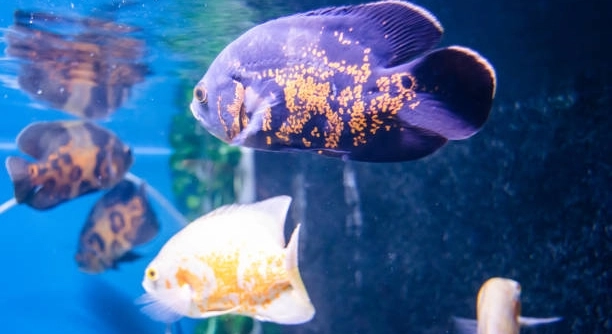
Oscar fish are popular in the aquarium world due to their size, personality, and vibrant colors. Many fish enthusiasts wonder if these large fish need tank companions to be happy and healthy. In this article, we’ll explore that question.
Oscar fish are solitary creatures by nature, and they do not require tank companions to maintain their happiness. They are territorial and prefer having their space, but they can coexist with compatible species under the right conditions.
Understanding the natural behavior of Oscar fish and how they interact with other tank mates can help ensure a peaceful aquarium environment. With the right setup, Oscar fish can thrive whether alone or with other fish.
Oscar Fish Personality and Natural Behavior
Oscar fish are known for their bold and active personalities. These fish are highly intelligent and can even recognize their owners, responding to them with excitement during feeding times. They are curious by nature and enjoy exploring their tank. However, their temperament is also aggressive, especially when it comes to defending their space. Oscars can become territorial, which is why it’s important to carefully consider tank mates. They’re not naturally social and often prefer being alone rather than sharing their space with other fish. As a result, their happiness doesn’t necessarily depend on having companions in the tank.
They don’t need other fish to thrive, but they do need an environment that offers plenty of space, places to hide, and a consistent food source. With the right tank setup, Oscar fish will be happy and active, regardless of whether they share the space.
Oscar fish can show aggression toward other fish if they feel their territory is threatened. It’s crucial to create a tank that accommodates their nature, with plenty of hiding spots and boundaries. Tank mates should be large, slow-moving fish that won’t provoke the Oscar’s territorial instincts. Smaller or faster fish can become easy targets. While some Oscars can tolerate other fish in the same tank, it’s essential to monitor their behavior closely, especially during feeding or when they feel threatened. In cases where aggression becomes a problem, isolating the Oscar may be necessary for its well-being.
Tank Setup for Oscar Fish
Creating the ideal tank setup for Oscar fish is essential for their happiness. A large tank with enough room to move around and establish territory is key. Oscars can grow quite large, so a 75-gallon tank or larger is recommended.
When setting up the tank, be sure to include decorations, rocks, and plants that provide hiding spots for the Oscar. Although they enjoy space, they also need areas where they can retreat when feeling stressed. A strong filtration system is necessary due to the waste Oscars produce, and maintaining clean water is vital to their health. Since they are messy eaters, water quality can quickly degrade if not properly managed. It’s important to monitor water conditions regularly and perform routine water changes. A stable environment will keep your Oscar happy and reduce the chances of it becoming stressed or aggressive.
Oscar Fish Aggression and Tank Mates
Oscar fish can be quite aggressive, especially if they feel their territory is being invaded. They are known to attack smaller or weaker fish, particularly during feeding times. This aggression is natural, as Oscars want to protect their space and food.
Because of their territorial nature, it’s important to choose tank mates wisely. Fish that are too small or fast may be seen as prey. Larger, calmer fish can sometimes co-exist with Oscars, but the risk of aggression is always present. Even within the same species, Oscars may show aggression towards each other, especially if there’s not enough space. It’s crucial to monitor their behavior closely when adding new tank mates.
Adding fish that are similar in size and temperament may reduce the chances of conflict. However, even with carefully chosen companions, it’s important to always be prepared to separate them if aggressive behavior escalates. Oscars can be unpredictable, and their mood can change depending on factors like water quality, tank size, and stress levels.
The Importance of Space and Territory
Oscar fish are highly territorial. Providing them with enough space to establish their boundaries is essential for their well-being. If their territory feels threatened, they may act out aggressively.
In the wild, Oscars would have a much larger space to claim as their own. In an aquarium, that territory can be smaller, which makes it even more important to give them adequate room. A tank that’s too small will only heighten their stress and aggression. Ideally, Oscars should have a tank of at least 75 gallons to allow them to have some freedom and maintain their own space. The layout of the tank also plays a crucial role. With decorations and plants, you can create visual boundaries, allowing the Oscar to feel more secure. When an Oscar feels secure in its territory, it is less likely to become aggressive or stressed.
Oscar Fish Feeding Habits
Oscar fish are known for their hearty appetites. They are carnivores, meaning they thrive on a diet rich in protein. They often enjoy live food like worms and insects but will also accept pellets and frozen foods.
Because they are so active and have large appetites, feeding Oscars can get messy. It’s important to feed them a varied diet to keep them healthy. Overfeeding can cause water quality problems, so stick to a consistent feeding schedule. It’s best to feed them once or twice a day, providing only what they can consume in a few minutes.
A balanced diet helps support their growth and energy levels, but always be cautious of uneaten food. Leftover food can quickly deteriorate water quality, affecting both the Oscar and any tank mates. Monitor the feeding process to prevent excess waste from accumulating.
Common Health Issues
Oscar fish can face a few common health problems. Poor water quality, stress, and improper diet can lead to illness. These issues may result in symptoms like loss of appetite, faded colors, or unusual behavior.
A good way to prevent health problems is to maintain proper water conditions. Keep the tank clean and change the water regularly. Ensure your Oscar receives a balanced diet, and avoid overfeeding. Regularly check for signs of disease, such as fin rot or external parasites. Early detection can make a huge difference in treatment.
Compatibility with Other Fish
Oscar fish can be difficult to keep with other species due to their aggressive nature. They can coexist with other large, sturdy fish, but smaller or slower tank mates may be at risk. Always observe interactions closely.
FAQ
Do Oscar fish need other fish in their tank to be happy?
Oscar fish are solitary by nature. They don’t require other fish to be happy, and they can thrive without tank mates. Oscars are territorial and often prefer having their own space. However, some Oscars may tolerate compatible species, particularly if they have enough space to avoid feeling threatened. It’s essential to observe their behavior, as aggression can occur at any time. The key is giving them enough room, places to hide, and keeping water conditions stable. With the right setup, an Oscar can live a long and happy life alone.
Can you keep Oscars with other aggressive fish?
It is possible to keep Oscars with other aggressive fish, but the tank must be large enough to provide ample space for each fish to establish its territory. Larger, robust species like Jack Dempseys, some types of catfish, or even other Oscars may coexist. However, aggression can still happen, especially during feeding times or when territorial boundaries are crossed. Monitoring their interactions is crucial, and if fighting becomes a problem, it might be necessary to separate them. Choosing tank mates that match the Oscar’s temperament is essential for a peaceful tank environment.
How big should an Oscar fish tank be?
Oscar fish need a tank that allows them plenty of space to swim and establish their territory. A minimum of 75 gallons is recommended for a single Oscar. The larger the tank, the better, especially if you plan to add any other fish. In a smaller tank, Oscars may become stressed, leading to health issues and increased aggression. Larger tanks also make it easier to maintain water quality and keep the fish comfortable. If you keep multiple Oscars or other tank mates, a tank of 100 gallons or more would be ideal.
What can I feed my Oscar fish?
Oscar fish are carnivores, so they require a protein-rich diet. They can be fed a variety of foods, including high-quality pellets, live or frozen foods like worms, insects, and small fish. Offering a mix of these foods will provide balanced nutrition. Oscars enjoy hunting, so live foods can mimic their natural hunting behaviors. However, it’s essential to provide a diet that includes both protein and other necessary nutrients. Avoid overfeeding, as this can lead to health issues and water quality problems. Feed your Oscar fish in small amounts once or twice a day.
How often should I feed my Oscar fish?
Oscars should be fed once or twice a day. They have large appetites, but overfeeding can lead to poor water quality and obesity. Offer enough food for your Oscar to consume within a few minutes, and remove any uneaten food after feeding. It’s important to avoid leaving food in the tank for too long as it can decompose and harm water quality. Stick to a consistent feeding schedule and provide a varied diet to keep your Oscar healthy.
Do Oscars eat plants or other fish?
Oscar fish are primarily carnivores, meaning they mostly eat other animals. While they may nibble on some plants, they aren’t typically plant eaters. Oscars might eat smaller fish or invertebrates in the tank if they can catch them. Smaller, slower fish are at risk of becoming prey. This is why it’s important to choose tank mates that are large and capable of defending themselves. Plant matter, if offered, may not be consumed, but it’s unlikely to form a significant part of an Oscar’s diet.
How can I prevent Oscar fish aggression?
The best way to prevent aggression in Oscar fish is by providing them with a spacious, well-maintained tank. With ample space, they are less likely to feel threatened by other fish. Having places to hide and create visual barriers also helps reduce stress. Choose tank mates carefully—only add fish that are large, slow-moving, and capable of defending themselves if necessary. Regular monitoring of their behavior and water quality is essential to keeping Oscar fish calm and happy. If aggression continues, it may be necessary to remove certain tank mates or separate the Oscars.
Can Oscars live with other types of cichlids?
Oscars can live with other cichlids, but it’s essential to choose species with similar size and temperament. Some cichlids, like the Jack Dempsey or the Green Terror, can be a good match for an Oscar due to their similar aggression levels and size. However, cichlids from different environments or those that are smaller may not be suitable. Cichlids are territorial and can easily clash with Oscars if their space or boundaries are threatened. Carefully monitor the interactions, especially when introducing new tank mates.
Do Oscars need a filter in their tank?
Yes, Oscars require a good filtration system in their tank. They produce a significant amount of waste, which can quickly degrade water quality if not filtered properly. A strong filter helps maintain clean and healthy water conditions, which is crucial for the Oscar’s well-being. Without proper filtration, your Oscar may become stressed or sick. Be sure to use a filter that is rated for a tank size larger than your current setup to ensure optimal filtration. Regular water changes and filter maintenance are also important for maintaining a healthy tank environment.
How do I know if my Oscar is happy?
A happy Oscar fish will display healthy, vibrant colors and active behavior. It will swim around the tank, explore its environment, and respond to feeding time with excitement. If your Oscar is hiding frequently, showing signs of stress, or losing color, it may be unhappy. Stress can be caused by poor water quality, inadequate tank size, or aggression from other fish. Monitor your Oscar’s behavior and adjust the tank setup if needed to ensure it is comfortable. A healthy Oscar will also eat regularly and interact with its environment.
Final Thoughts
Oscar fish can be great pets for those who are willing to provide the right environment and care. They are intelligent and active, often showing a strong personality. While they don’t require companions to be happy, they do need enough space and a well-maintained tank to feel secure. Oscars are solitary fish by nature and can become aggressive if they feel their territory is threatened. This means careful consideration is needed when selecting tank mates, as not all fish will get along with Oscars.
Maintaining water quality is a key factor in keeping an Oscar healthy and happy. Oscars are messy eaters, and their waste can quickly affect the tank’s environment if not filtered properly. A strong filtration system is crucial, along with regular water changes to ensure that the water stays clean and safe. It’s also important to monitor their diet. Oscars are carnivores and need a protein-rich diet to stay healthy, but overfeeding can lead to problems with both their health and the water quality. Feeding them the right amount, along with a mix of live, frozen, and pellet food, will help them stay well-nourished.
Finally, if you’re considering keeping Oscars, it’s important to remember that they require a lot of care and attention. A large tank, appropriate tank mates, and a balanced diet are just the basics. Their behavior can be unpredictable, so it’s essential to regularly monitor their interactions with other fish. With the right setup and care, an Oscar fish can live a long, happy life, bringing personality and excitement to your aquarium. Just make sure you understand their needs and be prepared for the responsibility that comes with keeping these active and territorial fish.

Hello,
If you enjoy the content that we create, please consider saying a "Thank You!" by leaving a tip.
Every little bit helps us continue crafting quality advice that supports the health, happiness, and well-being of pets around the world, for pets of all shapes, sizes, and species.
We really appreciate the kindness and support that you show us!