
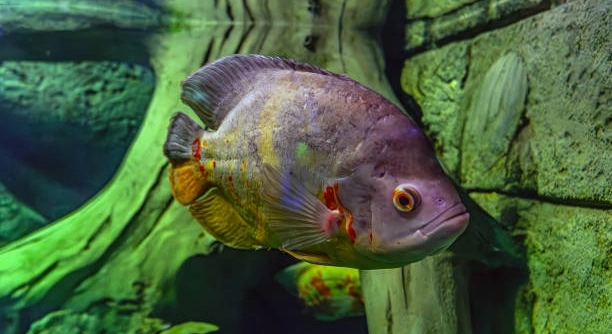
Oscar fish are known for their social nature and unique personalities, making them popular in home aquariums. However, when a tank mate is lost, it’s natural to wonder how they cope with the change.
Oscar fish are intelligent creatures that form bonds with their tank mates. When one of them is removed or passes, they may exhibit signs of stress or even mourning. This behavior shows their emotional attachment.
Understanding these social dynamics can help you ensure your Oscar fish remains healthy and comfortable. It’s important to observe their behavior and make adjustments as needed for their well-being.
How Oscar Fish Form Bonds with Their Tank Mates
Oscar fish are known for their strong personalities, and they tend to form deep connections with their tank mates. They are intelligent and curious, often recognizing other fish by sight. When they share space with other fish for a long time, they create a social environment, just like they would in the wild. They are not solitary creatures and often seek out the company of others, either by swimming together or interacting with their tank mates. These bonds can be quite significant to the Oscar fish’s well-being. It’s not just about swimming alongside another fish; it’s about companionship.
When an Oscar fish loses a tank mate, it may show signs of distress. This could include hiding more than usual, appearing lethargic, or even acting aggressively toward other fish. The sudden change in their environment can make them feel unsettled. Over time, they may adjust, but it can take a while. You might notice a difference in their eating habits or behavior, which can be a clear indication that they miss their companion.
Oscar fish thrive best in a community where they feel safe and surrounded by others. If you plan on adding new tank mates, it’s important to choose species that can live harmoniously with Oscars. Some fish, especially smaller species, may not be a good match due to the Oscar’s territorial nature. If you notice your Oscar becoming more aggressive after losing a tank mate, it might be time to introduce a new companion to restore balance in the tank. Always ensure that new additions are healthy and compatible with your Oscar’s temperament.
Signs of Stress in Oscar Fish
Oscar fish show stress through various behaviors. Their changes in mood can range from eating less to being more aggressive.
Changes like lack of appetite or aggression may suggest your Oscar fish is stressed. If you notice these signs after losing a tank mate, it’s worth keeping an eye on their behavior and environment.
Can Oscar Fish Develop Bonds with Other Species?
While Oscar fish are highly social, they often prefer the company of their own kind. However, with the right tank mates, they can develop bonds with other species. It all depends on the fish’s temperament and the environment you provide.
Oscars tend to form more meaningful connections with fish that are similar in size and temperament. Smaller, slower-moving species are usually at risk of being bullied or eaten. However, larger, more active fish can coexist with Oscars if introduced carefully. They may not bond in the same way they do with other Oscars, but a level of mutual tolerance can develop over time. If you choose to add another species, it’s essential to monitor how both the Oscar and the new tank mate interact.
Creating a peaceful environment is key when mixing species. Adding hiding spots and enough space will help reduce territorial behavior. It’s also important to ensure that all fish share similar water conditions and dietary needs. This reduces stress and promotes healthy relationships between different species, allowing Oscars to live more comfortably with tank mates of varying species.
The Role of Environment in Oscar Fish Behavior
The environment in which your Oscar fish lives greatly affects its behavior. A well-maintained tank with enough hiding spaces and proper water conditions promotes healthier interactions.
Oscars, like many fish, are sensitive to changes in their environment. Sudden shifts in temperature, water chemistry, or tank size can cause stress. Providing plenty of space and hiding places helps your Oscar feel secure and reduces territorial disputes. Fish that feel threatened or stressed are more likely to act aggressively, so maintaining a balanced and stable environment is crucial. Proper filtration, regular water changes, and monitoring water quality will ensure your Oscar remains comfortable and less prone to behavioral changes.
How to Introduce New Tank Mates to Your Oscar
Introducing new tank mates to your Oscar requires careful planning. Ensure that the new fish are of similar size and temperament to reduce aggression.
Start by placing the new fish in a separate quarantine tank for a week or two to ensure they are healthy. Once you’re ready to introduce them, use a divider or separate the Oscar and the new fish for a short time. Gradually acclimate them to each other to avoid immediate confrontation. Observing their interactions over the following days is essential to ensure peace in the tank.
How to Identify Oscar Fish Mourning
Oscar fish may show signs of mourning after losing a tank mate. These signs can include hiding, decreased appetite, and aggressive behavior.
It’s important to note that while Oscars can become attached to their tank mates, their mourning process may vary. Some may not show any signs at all, while others may appear withdrawn or disoriented. Understanding these behaviors helps ensure your Oscar receives the care it needs during this stressful time.
FAQ
Do Oscar fish feel loneliness?
Oscar fish can experience a form of loneliness, especially if they are kept alone for extended periods. These fish are social and enjoy interacting with others, particularly if they have been living with tank mates for some time. When separated from their companions, they may show signs of stress, such as hiding more often or eating less. Providing your Oscar with either another Oscar or compatible species can help reduce these feelings of isolation.
How can I tell if my Oscar is stressed?
Stressed Oscar fish may exhibit various behavioral changes. These could include loss of appetite, hiding, or increased aggression toward other tank mates. They may also swim erratically or rub against objects in the tank. If your Oscar shows these signs after losing a tank mate or experiencing a change in its environment, it is likely stressed. Monitoring water conditions and ensuring the tank is free of stressors can help your Oscar recover.
Can Oscar fish get along with other types of fish?
Oscar fish can get along with certain species, but they often prefer other Oscars. Large, active fish that are capable of defending themselves tend to fare better with Oscars. Smaller, slower fish may become targets for aggression or may even be eaten. It’s essential to research the behavior and size of potential tank mates to ensure compatibility. With careful introductions and proper tank conditions, Oscars can live peacefully with other species.
How do I help my Oscar fish cope with the loss of a tank mate?
If your Oscar has lost a tank mate, it may take some time for them to adjust. To help your Oscar cope, you can maintain a calm and stable environment, ensuring proper water conditions and tank setup. Offering hiding places can give your Oscar a sense of security. Introducing a new tank mate can also help, but it’s important to choose one that is compatible with Oscars. Allow your Oscar time to grieve, as they may show signs of mourning such as less activity or eating less.
Is it okay to add a new tank mate after my Oscar loses one?
Adding a new tank mate is usually fine, but the timing is important. If your Oscar is showing signs of mourning or stress, it’s best to wait until they have adjusted. Once your Oscar seems stable, carefully introduce a compatible fish. Start with short, monitored interactions to ensure there is no aggression. The new fish should be of a similar size and temperament to prevent issues.
How long does it take for an Oscar fish to adjust after losing a tank mate?
The adjustment period for an Oscar can vary, but it often takes a few days to a couple of weeks. The time it takes depends on the individual fish and the severity of the bond it shared with its tank mate. Some Oscars may bounce back quickly, while others might take longer to show normal behavior. During this time, ensure the tank conditions are stable, and provide your Oscar with plenty of space and hiding spots.
Can Oscars become depressed after the loss of a tank mate?
While there isn’t concrete evidence that Oscar fish experience depression in the way humans do, they can show signs of distress and sadness after losing a companion. This can manifest as lethargy, lack of appetite, or increased hiding. If your Oscar’s behavior doesn’t return to normal after a few weeks, it’s a good idea to check the water quality and make sure the environment is as stress-free as possible.
What should I do if my Oscar is not eating after losing a tank mate?
If your Oscar is not eating after losing a tank mate, it may be due to stress or sadness. Give them time to adjust, but make sure the water conditions are optimal. Sometimes, offering different types of food or feeding at different times can encourage your Oscar to eat. If the problem persists for more than a week, consider consulting a vet to rule out any health issues.
How can I make sure my Oscar doesn’t get too aggressive with new tank mates?
To avoid aggression when introducing new tank mates, it’s essential to introduce them gradually. Start by keeping the new fish in a separate tank or a divider within the same tank to give both the Oscar and the new fish time to adjust to each other’s presence. Once they seem comfortable, allow brief supervised interactions. Choose tank mates that are similar in size and temperament to your Oscar, as this can help prevent aggression.
Do Oscars get lonely without other fish?
Oscar fish do not require constant company, but they can benefit from it. They are social fish and may feel lonely or stressed if kept in isolation for long periods, especially if they were previously housed with other fish. Adding another Oscar or a compatible fish can improve their overall well-being, as long as the new tank mate is properly introduced. If you prefer to keep a single Oscar, ensure that the environment is enriching enough to keep your fish stimulated and comfortable.
Final Thoughts
Oscar fish are social creatures that can form strong bonds with their tank mates. They thrive in environments where they feel secure and surrounded by other fish, whether they are interacting with other Oscars or compatible species. Losing a tank mate can be challenging for them, and it may cause some noticeable changes in their behavior. If your Oscar is showing signs of stress or mourning, it’s important to be patient and give them time to adjust. Watching for signs of aggression, a decrease in appetite, or withdrawal can help you assess how they are coping.
When introducing a new tank mate, it’s essential to consider the size and temperament of the fish. Oscars are large and often territorial, so choosing the right companions is key to creating a peaceful environment. Adding a new fish too soon or introducing one that’s too small or too different in temperament could lead to aggression. Taking your time with introductions, providing plenty of hiding spots, and keeping the water conditions stable can help ease the transition for both your Oscar and the new fish. Additionally, if your Oscar is mourning, it’s important to monitor them closely during this time to ensure they are not overly stressed.
In the end, Oscar fish are resilient, and with the right care, they can recover from the loss of a tank mate. They may take some time to adjust, but their social nature often means that they’ll eventually find a new balance. Whether you choose to add another fish or simply give your Oscar some space to heal, maintaining a comfortable and stable environment is key. Keeping an eye on their behavior and ensuring that they have everything they need will help your Oscar feel secure and continue to thrive.

Hello,
If you enjoy the content that we create, please consider saying a "Thank You!" by leaving a tip.
Every little bit helps us continue crafting quality advice that supports the health, happiness, and well-being of pets around the world, for pets of all shapes, sizes, and species.
We really appreciate the kindness and support that you show us!